Guides
Twente Additive Manufacturing puts 3D printing at the heart of more sustainable construction
Twente Additive Manufacturing (TAM) is a Dutch company that has developed a concrete 3D printing method to build the walls of our future homes. This method is particular in that it relies on the famous Fibonacci sequence to conceptualise spiral-shaped…
- 3 min read
- Guides
- Six more stories
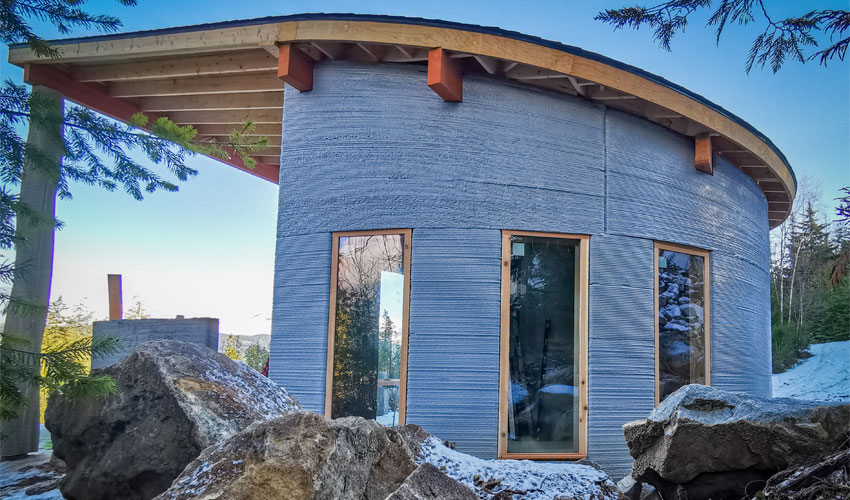
Twente Additive Manufacturing (TAM) is a Dutch company that has developed a concrete 3D printing method to build the walls of our future homes. This method is particular in that it relies on the famous Fibonacci sequence to conceptualise spiral-shaped constructions and thus natural progressions of space. Its first project in Canada, this year, marked the beginning of a great adventure for the young company. The company has now joined the players in additive concrete manufacturing, a market that has been growing for a few years now. In order to learn more about their projects and technology, we contacted the Twente Additive Manufacturing team who have entrusted us with their ambitions.
3DN: How did the idea of Twente Additive Manufacturing come up?
The first ideas came from our President and Co-founder Ian Comishin in the fall of 2018 when looking at the existing construction industry with its relatively slow adoption of new construction methods along with the emerging technology of 3D concrete printing which had taken root in many regions including the Netherlands where Ian and a few other co-founders were based. Our aim from the very beginning was to bring our groups automation experience to bear on the challenging task of bringing the construction industry forward into the 21st century. Huge improvements in efficiency along with a serious promise of reduction of waste and emissions were the initial motivators but another aspect which is beginning to show its merits is the “freedom of design” with little or no added costs from conventional designed versions.
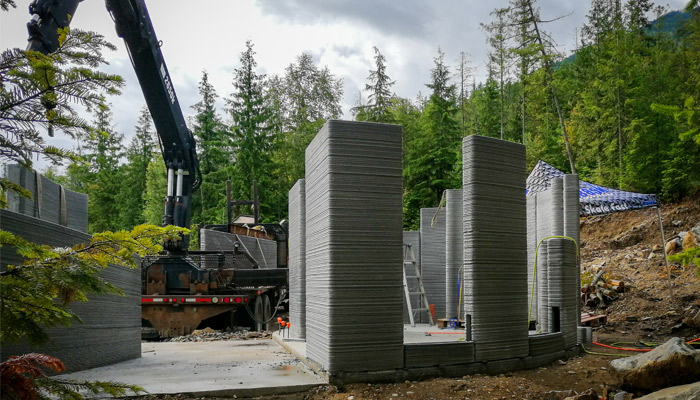
Twente Additive Manufacturing has developed a solution to 3D print the walls of a house (photo credit: TAM)
3DN: Why did you choose the Fibonacci sequence to 3D print a house? What are the advantages?
The first goal of the Fibonacci house construction was to demonstrate the process differences with non-linear walls. When looking for the value added by the additive manufacturing the public automatically tries to do direct comparisons to the simplest form of conventional construction and then are surprised that the 3D printed version is not competitive. The additive manufacturing method of construction starts being competitive as complexity increases such that when you try to compare the wood framed version of a Fibonacci spiraled building with the 3D printed version, the most attractive option becomes the layered mortar bead. The second benefit to the Fibonacci spiral is the natural progression of the spaces from wide open exterior facing spaces in the living room to the closed and warmer shower space in the tightest part of the spiral.
More from the desk
Six other notes from the rest of the bench.
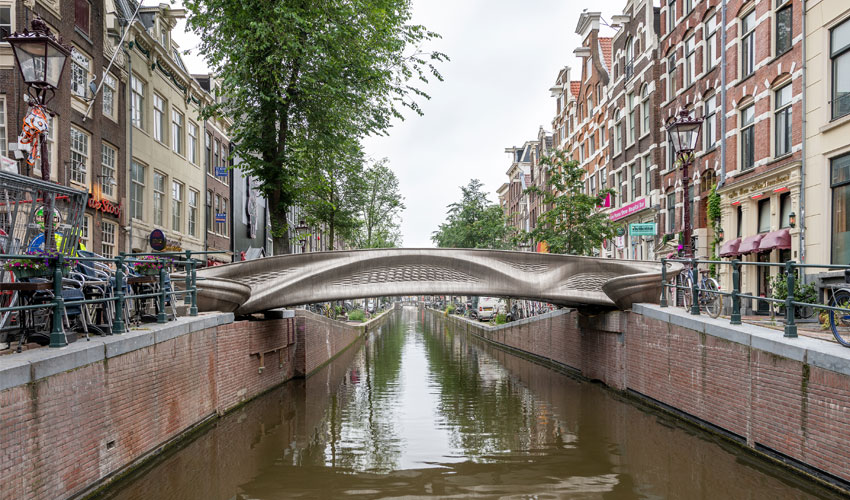 NewsMX3D’s 3D Printed Metal Bridge Has Officially Been Installed in the Center of AmsterdamOn July 15, the Queen of the Netherlands, Máxima Zorreguieta Cerruti, inaugurated the 3D-printed metal bridge installed in the city center of Amsterdam, right in the Red Light District. It took 6 years for the Dutch company MX3D to allow…
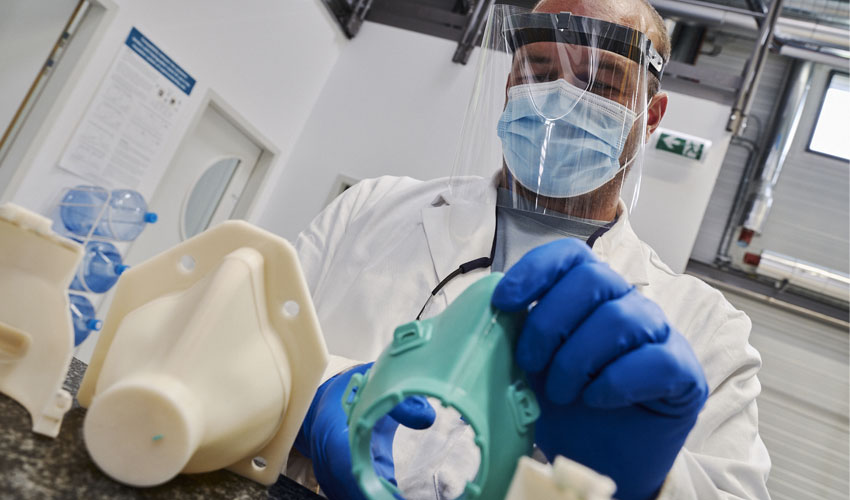 Guides3D Printing vs COVID-19: The Most Exceptional Initiatives of the PandemicFor years to come, 2020 will likely be remembered for the dramatic changes and loss of life that accompanied the pandemic. This year the 3D printing sector prevailed, first adapting, and shortly thereafter becoming a powerful force in the fight…
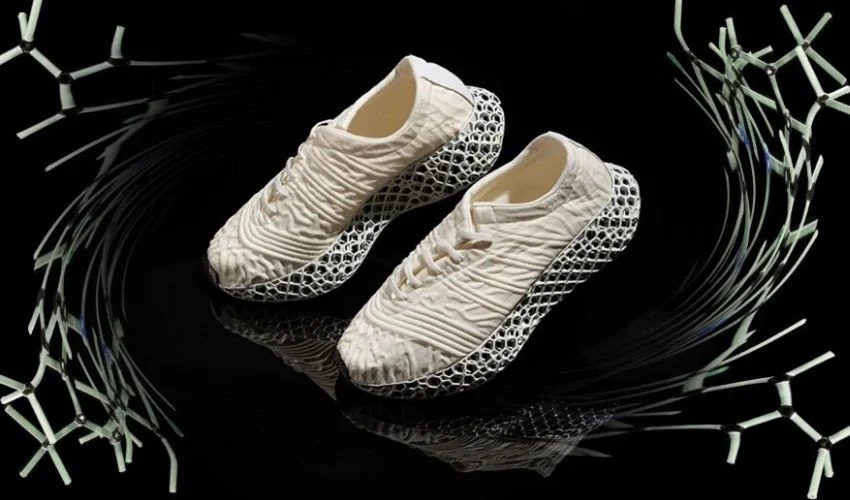 NewsSimplifyber is Offering Eco-Responsible Clothing Made With Additive ManufacturingLike many industries, the textile sector could also find itself upended with the emergence of additive manufacturing. As 3D printers are developed to print materials and colors on textiles, more and more fashion companies are turning to the technology. Among…
 GuidesWho Are the Influential Women Entrepreneurs in 3D Printing?Taking place every year on March 8th, International Women’s Day was declared by the United Nations to be the day to celebrate women’s achievements around the World. Given that many still suffer from disparity in the workforce, inequal wages and…
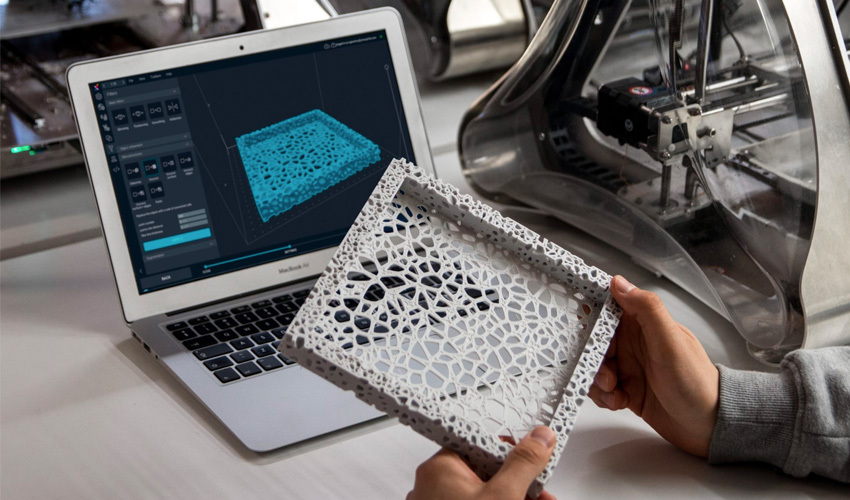 Guides#3DStartup: Amadde on Democratizing AM Through EducationEach year we take stock of the state of the additive manufacturing market, it is clear that more and more companies are adopting AM. However, there is a consistent roadblock to even more widespread adoption, and that is lack of…
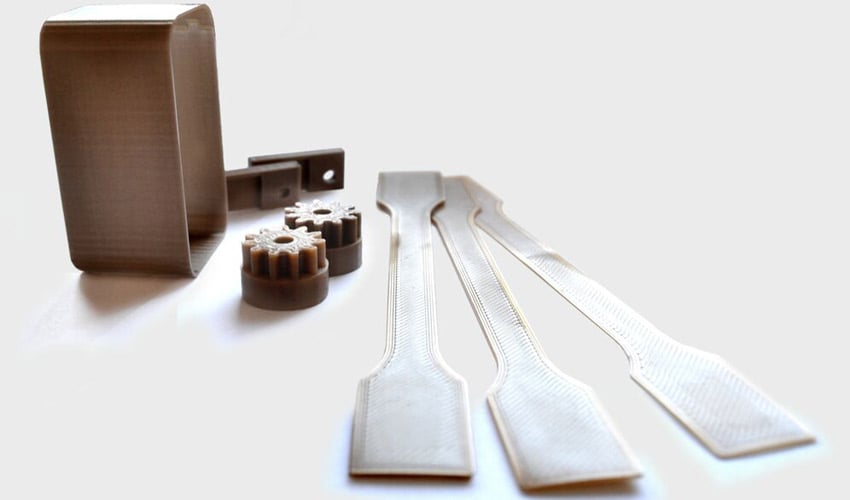 MaterialsAll You Need to Know About PEEK for 3D printingPolyether ether ketone, more commonly known as PEEK, is a semi-crystalline thermoplastic that is well known in the manufacturing industry for its mechanical properties. And for some years now, it has been a popular material in the additive manufacturing sector.…