Materials
All You Need to Know About PEEK for 3D printing
Polyether ether ketone, more commonly known as PEEK, is a semi-crystalline thermoplastic that is well known in the manufacturing industry for its mechanical properties. And for some years now, it has been a popular material in the additive manufacturing sector.…
- 3 min read
- Materials
- Six more stories
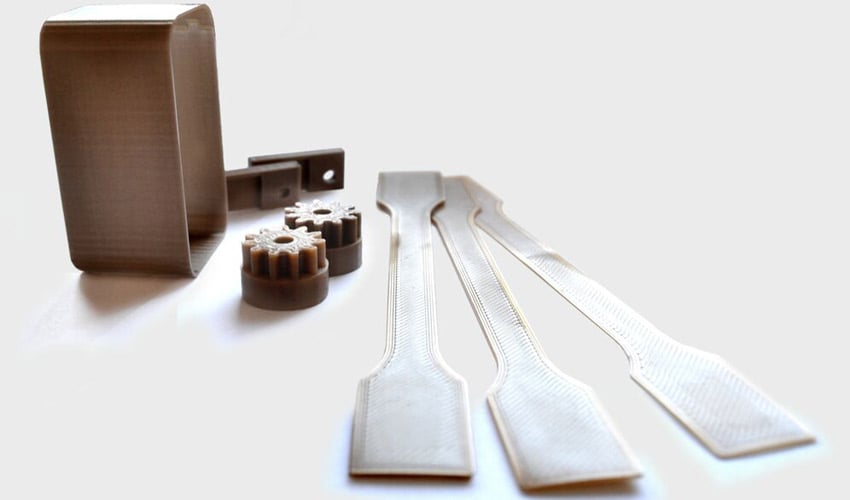
Polyether ether ketone, more commonly known as PEEK, is a semi-crystalline thermoplastic that is well known in the manufacturing industry for its mechanical properties. And for some years now, it has been a popular material in the additive manufacturing sector. Today, it is available in filament form for all FDM/FFF machines, and is slowly becoming available in powder form for SLS processes. Mainly used in the aerospace, medical and automotive industries, PEEK is heat and wear resistant and can even be used as a substitute to some metals due to its strength-to-weight ratio. However, it is also important to note that it is a demanding 3D printing material as it is difficult to print and can only be done so successfully if a number of parameters are met. So what exactly do you need to know about PEEK for 3D printing? We took a closer look in this guide!
Production and Characteristics of PEEK
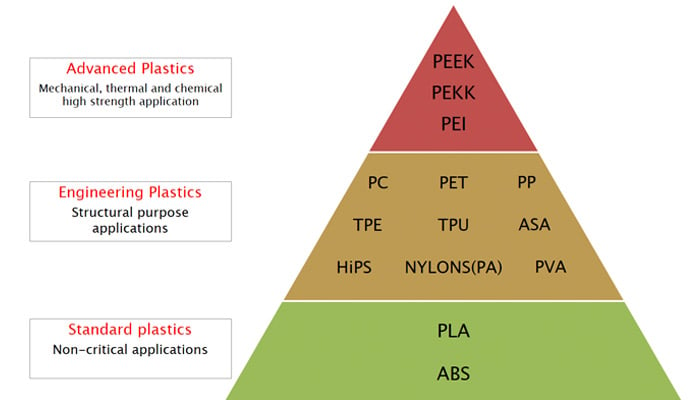
PEEK is a member of the PAEK (polyaryletherketone) family, which is known for its high thermomechanical properties. If we look at the pyramid of different polymers in the industry, PEEK is at the top of the pyramid, in the category of high-performance polymers. Its molecular structure is composed of a ketone and two ethers, organic compounds of the carbonyl family, with a double bond between a carbon and an oxygen atom. It was first marketed at the end of the 1970s, and quickly adopted by sectors such as aeronautics or electronics because of the performance it can offer. If we look at its structure, note that it is a semi-crystalline polymer, therefore when it melts, its molecules arrange themselves under the effect of heat, creating a certain order until the material solidifies completely. This enables it to maintain its mechanical characteristics when the temperature is increased. While this semi-crystalline structure has many advantages, it should be noted that in additive manufacturing, it involves a more complex printing process: it is a highly technical material that requires experience and the appropriate system.
3D Printing With PEEK
In 3D printing, the crystallization process of PEEK must be controlled as part of the material will crystallize, thus changing the density of the material. Therefore, high temperature levels – extrusion, build plate and chamber – must be maintained and fluctuations in temperature need to be avoided. To print 3D print PEEK, you will therefore need a 3D printer with an extruder that can reach 400°C, a chamber that can be heated to 120°C, and a build plate that can heat to 230°C to ensure proper part release at the ending and prevent warping. In terms of chemical reaction, the material changes density during printing, then contracts as it cools.
More from the desk
Six other notes from the rest of the bench.
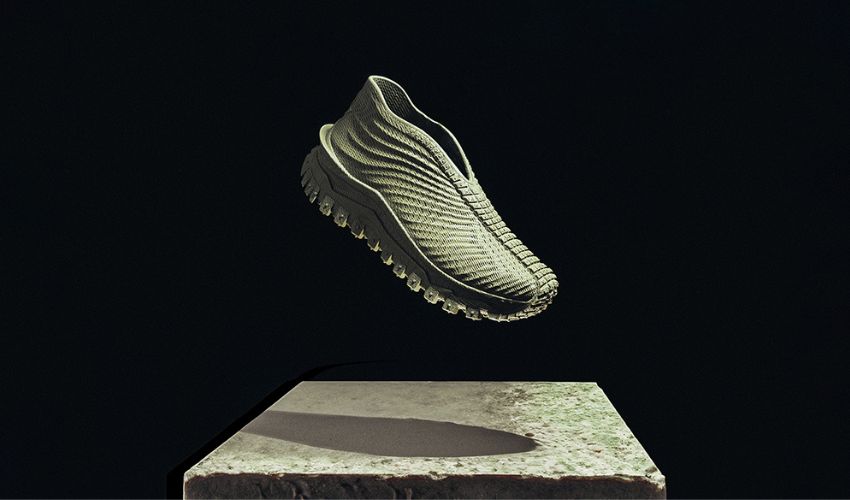 NewsSustainability Meets Style with Zellerfeld and Moncler’s 3D Printed Trailgrip SneakerPioneering the world of 3D printed shoes, Zellerfeld has joined forces with Moncler, a renowned luxury fashion brand known for its commitment to eco-consciousness and innovation. This collaboration marks Moncler’s foray into 3D printing, using a single recyclable material t
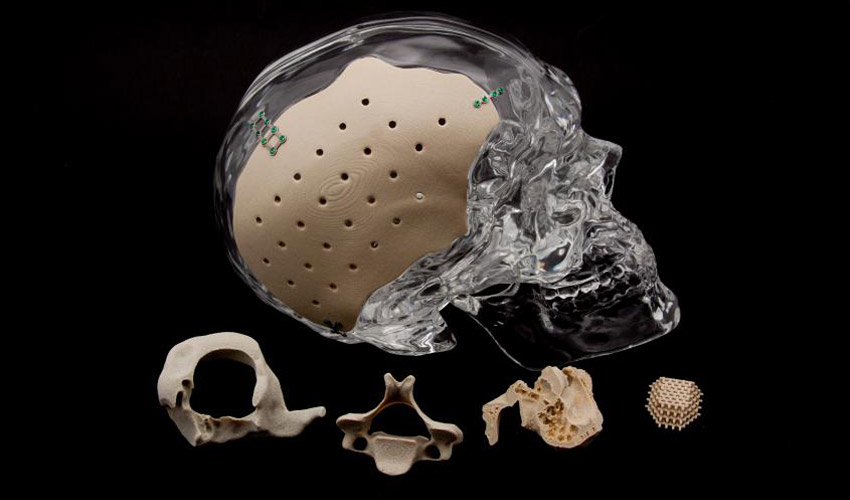 MaterialsResearchers use PEKK implants to accelerate bone regenerationWe have often reported on the advantages of high-performance materials such as PEEK, ULTEM or PEKK. Particularly in the medical field, some of these materials offer many benefits due to their biocompatibility. A while ago we reported on the first…
 NewsTOP 5 videos of the week: Shoes, filaments, and fashion galore!A new selection of the best 3D printing videos of the week, just for you! Find our TOP 5 videos of the week below and tell us what your favorite video is in a comment below or on our Facebook and…
 News#3DExpress: 3D Printed Fireproof Homes for Victims of the LA WildfiresThis week, we start off with news of hope. After the devastation of the LA wildfires, people affected have been searching for ways to rebuild, and 3D printing is playing a role. Namely, 3D printed fireproof homes have risen in…
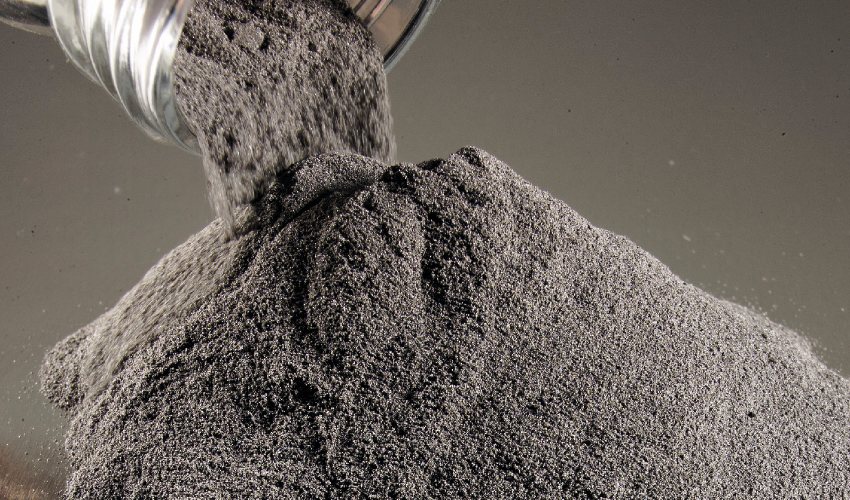 MaterialsA New Tungsten Powder Compatible with Additive ManufacturingAdditive manufacturing with metal is gaining in popularity. This is shown, among other things, by the increasing number of 3D printing companies that specialize in metal manufacturing or offer machines for metal printing. Aluminum, bronze, chrome, stainless steel, iron and&hellip
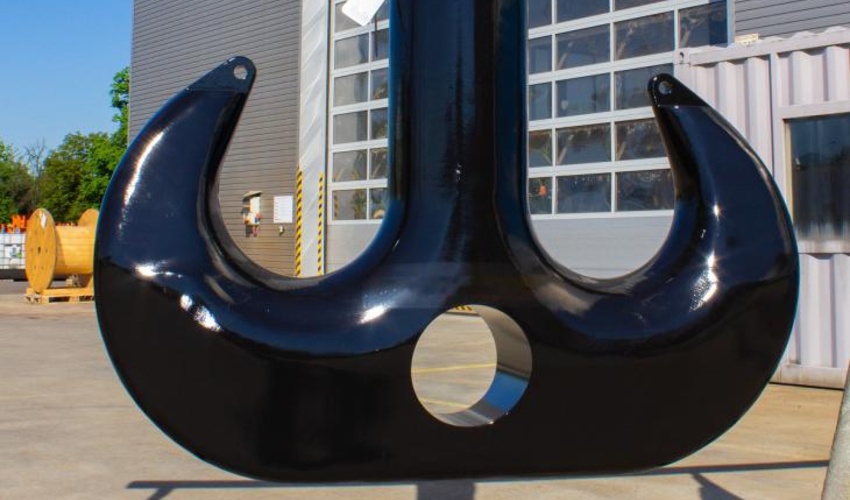 NewsHuisman Manufactures 3D Printed Crane Hooks With 350-Ton Lifting CapacityFor quite some time now, additive manufacturing has been advancing far beyond FDM 3D printing. This relatively new technology can be found in numerous industrial applications today. Such is the case in the construction industry, where demands on components are…