Materials
All You Need to Know About TPU for 3D Printing
Thermoplastic polyurethane (TPU) is an elastomer (synthetic plastic) that is characterized by its high flexibility and resistance during further processing and combines the properties of thermoplastics and elastomers. It can withstand much higher compressive and tensile forces th
- 3 min read
- Materials
- Six more stories
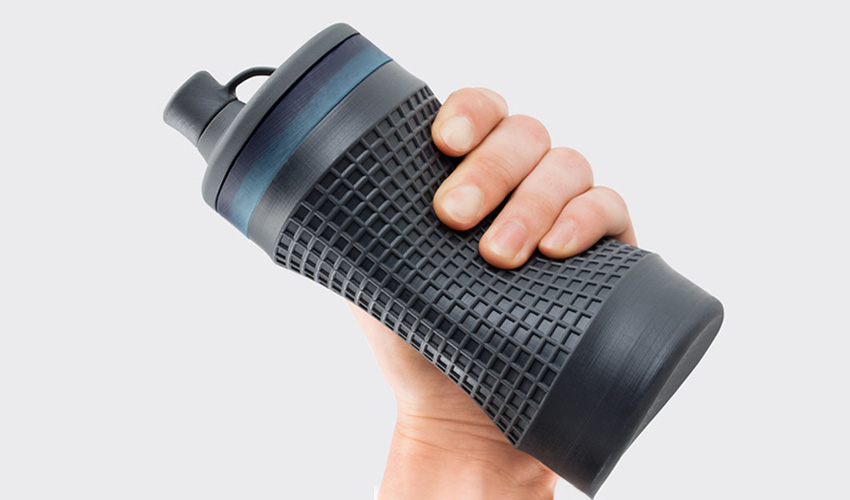
Thermoplastic polyurethane (TPU) is an elastomer (synthetic plastic) that is characterized by its high flexibility and resistance during further processing and combines the properties of thermoplastics and elastomers. It can withstand much higher compressive and tensile forces than other common materials such as PLA and ABS. The reason for the variation in its softness and hardness is due to its chemical composition: Depending on the proportion of hard and soft segments, the hardness and flexibility of the material also changes. A lower filling quantity can also result in a more flexible 3D-printed part. This affects the transparency of the final parts, the softness to the touch or the adhesion of the parts. TPU is a very versatile polymer that imparts a very multi-layered set of properties to parts. TPU also offers greater resistance to all greases and oils. But what to consider when using TPU?
Production and Characteristics
Although we usually talk about TPU filaments, we can also find them in powder or resin form. In terms of the properties of these polymers, they have many benefits, including their high impact-, wear-, abrasion- and cut-resistance. They also have a relatively high layer cohesion, which results in excellent mechanical homogeneity of the manufactured parts and makes them isotropic.
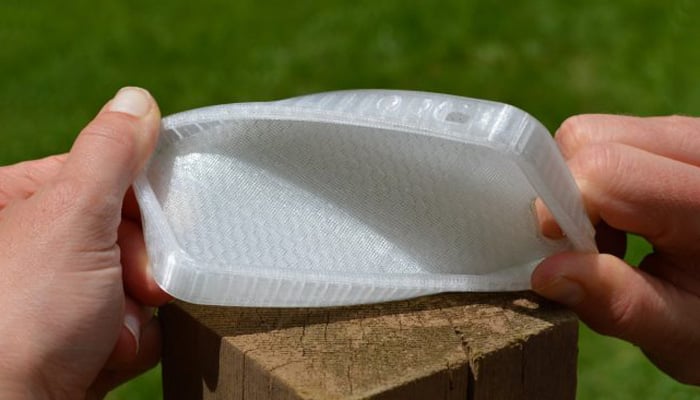
Due to its flexibility, TPU is often used for the production of cell phone cases
However, there are certain limitations to this type of material that must be considered. TPU does not adapt well to hot environments. This factor is noticeable because they cannot withstand high temperatures despite their large working range. In addition, print settings should vary depending on the technology and 3D machine used. Compared to TPE, another flexible filament, TPU is easier to print and retains its elastic properties better at lower temperatures. TPU material offers better resistance to abrasion, oil and grease. Unlike stiffer thermoplastics, TPU filament has properties such as flexibility and conformability and has no problems with deformation and delamination during the 3D printing process.
More from the desk
Six other notes from the rest of the bench.
 NewsiFactory3D Wins Best 3D Startup of 2020!2021 having just begun, it is the perfect time to look back on the most important innovations of the last 12 months. In the manufacturing sector, many companies have chosen to launch their projects in order to bring change or…
 MaterialsAll You Need to Know About POM for 3D PrintingPolyoxymethylene, better known as POM, is a thermoplastic used that is considered to be engineer-grade due to its properties. Discovered in 1920, it is currently one of the most widely used materials for injection molding, after polypropylene (PP) and polyamide…
 PrintersMeltio M450, a metal 3D printer for industrial needsMetal 3D printing is undoubtedly one of the most prominent 3D printing technologies of the last decade, its growth is due to the arrival of increasingly accessible and easily adoptable solutions. According to Technavio’s study, the growth of metal technologies…
 NewsJackson Pollock Inspires Harvard 3D Printing ResearchOne of the most important American artists of the 20th century, Jackson Pollock has played a decisive role in shaping contemporary art. Known for his abstract expressionism, he was an artist who stood out because of his drip painting technique.…
 NewsTop 5 Videos: Redesigning Concept Cars Thanks to AMIt’s that time of the week again! Now that Sunday is here, we are sharing with you the best videos in 3D printing that we have found from this past week. First, learn more about Vital Autos who are using…
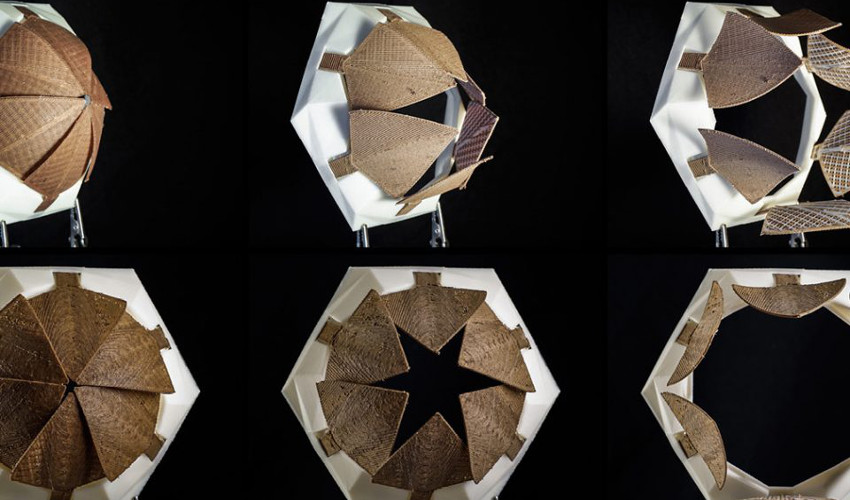 Materials4D printing reconfigurable materials for use in aerospace, medical and robotics fields4D printing is an upcoming form of additive manufacturing with effects that continue beyond the print. It is similar to 3D printing in the sense that an object is also built layer by layer. However, the object can then change…