News
Top 5 Videos: Redesigning Concept Cars Thanks to AM
It’s that time of the week again! Now that Sunday is here, we are sharing with you the best videos in 3D printing that we have found from this past week. First, learn more about Vital Autos who are using…
- 3 min read
- News
- Six more stories
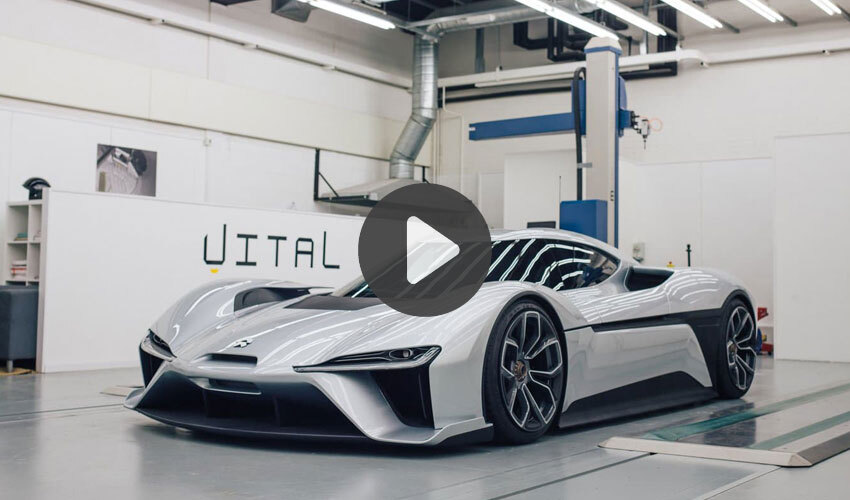
It’s that time of the week again! Now that Sunday is here, we are sharing with you the best videos in 3D printing that we have found from this past week. First, learn more about Vital Autos who are using AM to revolutionize the designs of their concept cars. Next, check in with Airbus as they take us through how additive manufacturing is helping them to optimize parts for lighter aircraft. We turn then to Elliot from the 3Dnatives Lab as he tests the Form 3L, Formlabs’ largest SLA printer. Follow up with PGV industries as they talk about how Desktop Metal has helped them replace CNC machining with metal 3D printing. Finally, learn more about the 3D printed boat from UMaine which has continuously made headlines. Happy Sunday and happy watching!
Top 1: Vital Auto is Revolutionizing Car Design with AM
English company Vital Auto specializes in the design of cars, more precisely concept cars. Its 3 founders, all automotive designers and engineers, are convinced that digital technologies are essential to improve the traditional design cycle. So they decided to bet on additive manufacturing. Today, they have 14 large format FDM 3D printers, 3 Formlabs Form 3L resin 3D printers and 5 SLS Fuse 1 machines. And on a daily basis, all 3D printers are running continuously, regardless of the application. For example, Vital Auto is 3D printing door seals on its resin solutions, eliminating the need to create an expensive and time-consuming mold. In one night, teams can get their parts and test them right away. In this video from Formlabs, take a look at some of the applications they found for AM in the automotive industry!
Top 2: Airbus Uses AM for Lighter Aircraft
After the automotive industry, let’s now take a jaunt over to aerospace! In the video below, aviation giant Airbus explains how generative design and additive manufacturing allow it to reduce the weight of its aircraft and therefore ultimately reduce gas emissions. The group has set itself the goal of reducing its emissions by 50% by 2050. Using the Autodesk software suite, Airbus is developing new design principles and bionic structures. These structures could be twice as light as those traditionally designed. In addition, the production steps would be halved which would also be a considerable time saver for the group.
More from the desk
Six other notes from the rest of the bench.
 News#TOP5 videos: 3D printing trends of 2019 and much more!We found the TOP 5 videos of the week related to 3D printing and collected the additive manufacturing here. You can enjoy even more 3D printing videos on the our youtube channel, as well as share your videos and comment on…
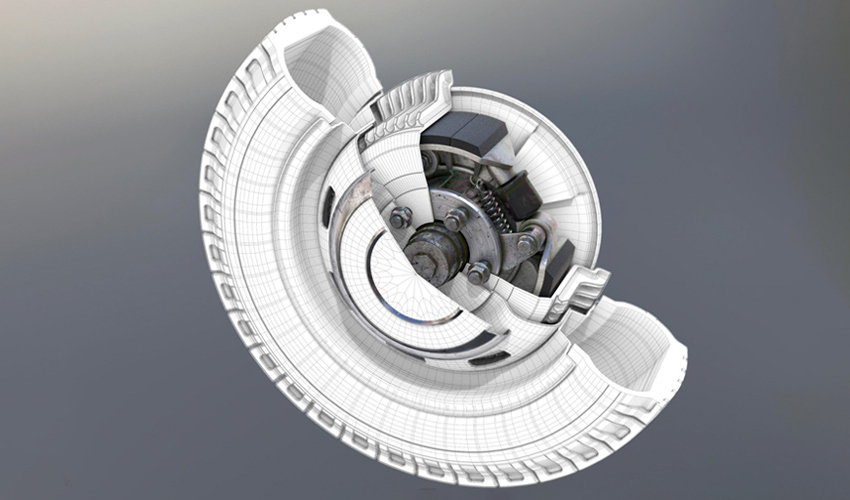 SoftwareCinema 4D for 3D Printing: What Do You Need to Know?Starting the journey to get a 3D printed part usually means creating a 3D model, which is the essential first step in the process. While pre-made models are readily accessible on platforms such as Thingiverse, Yeggi, Printables, MyMiniFactory, and others,…
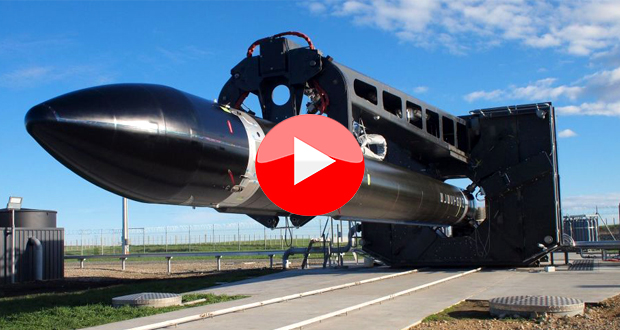 NewsTOP 5 videos of the week rockets, masks and more!A new selection of the best 3D printing videos of the week, just for you! Find our TOP 5 videos of the week below and tell us what your favorite video is in a comment or on our Facebook and Twitter page.…
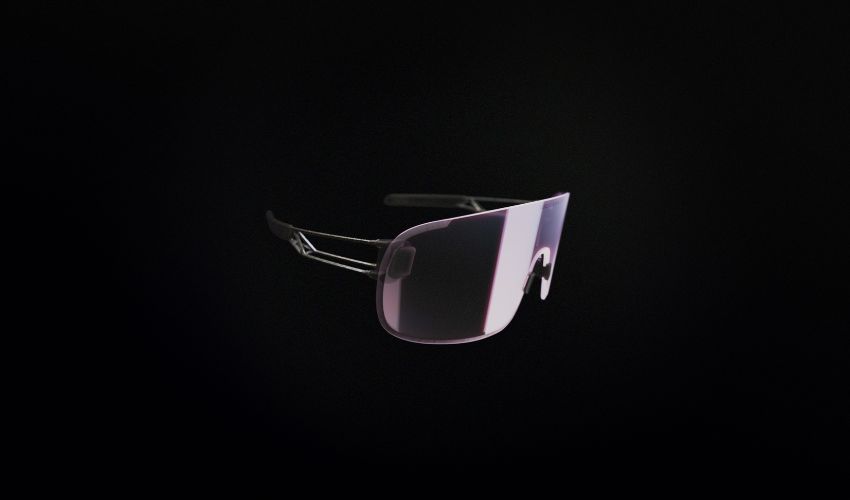 News‘Elicit Ti’ Cycling Goggles: The Fusion of Quality and SustainabilityAdditive manufacturing, also known as 3D printing, is being used in a wide range of fields, including construction, medicine, and space exploration. In the world of sports, 3D printing has already made an impact, creating customized bicycle grips, helmets, and…
 NewsMIT researchers have 3D printed ion-powered nanosatellite thrustersResearchers have developed a novel 3D printed, ion-powered, nanosatellite thruster for a study funded by the MIT Nanotechnology program and the NewSat project. Using metal and resin 3D printing methods and hydrothermally grown zinc oxide nanowires (ZnONWs), the research team&hell
 NewsWeerg and Ursus Worked Together to Make a Custom Handlebar With Additive Manufacturing3D printing is becoming increasingly popular in all industries where customization, design and performance meet. The ability to create complex structures as well as to use 3D printing for rapid prototyping and thus to test materials and properties quickly and…