Materials
4D printing reconfigurable materials for use in aerospace, medical and robotics fields
4D printing is an upcoming form of additive manufacturing with effects that continue beyond the print. It is similar to 3D printing in the sense that an object is also built layer by layer. However, the object can then change…
- 3 min read
- Materials
- Six more stories
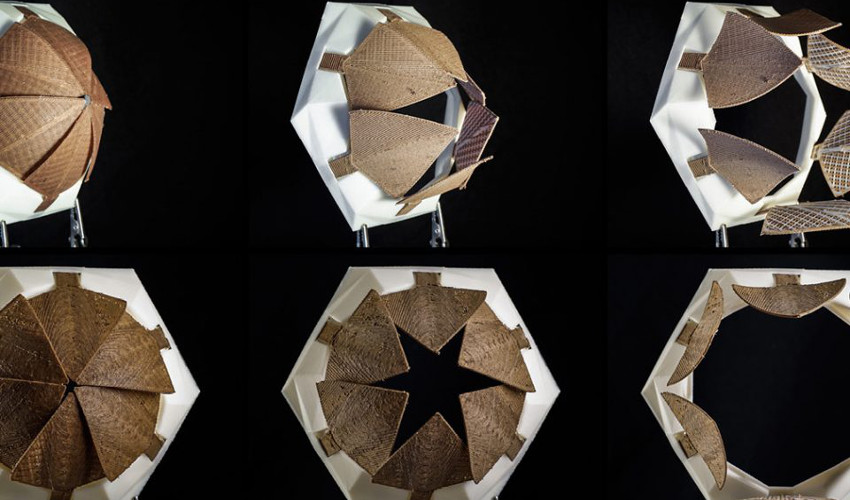
4D printing is an upcoming form of additive manufacturing with effects that continue beyond the print. It is similar to 3D printing in the sense that an object is also built layer by layer. However, the object can then change over time, after being built. The object will change because it is printed with materials that have the ability to change when exposed to certain factors: such as heat, magnetics, water or another source of energy.
New 4D printed metamaterials showcase powerful properties
At Rutgers University-New Brunswick in New Jersey, engineers created flexible, lightweight 4D printed materials with potential applications in changing airplane or drone wings, soft robotics and tiny implantable biomedical devices. The assistant professor working on the project, How Lee explained that time is the fourth dimension that allows the objects to morph into a new shape. “We believe this unprecedented interplay of materials science, mechanics and 3D printing will create a new pathway to a wide range of exciting applications that will improve technology, health, safety and quality of life”, he added.
Another advantage of the metamaterials manufactured by the researchers is that they do not have fixed properties, preventing them from adapting and adjusting. These materials are geometrically reconfigurable, functionally deployable and mechanically tunable. They were created using digital micro 3D printing with a shape memory polymer.
More from the desk
Six other notes from the rest of the bench.
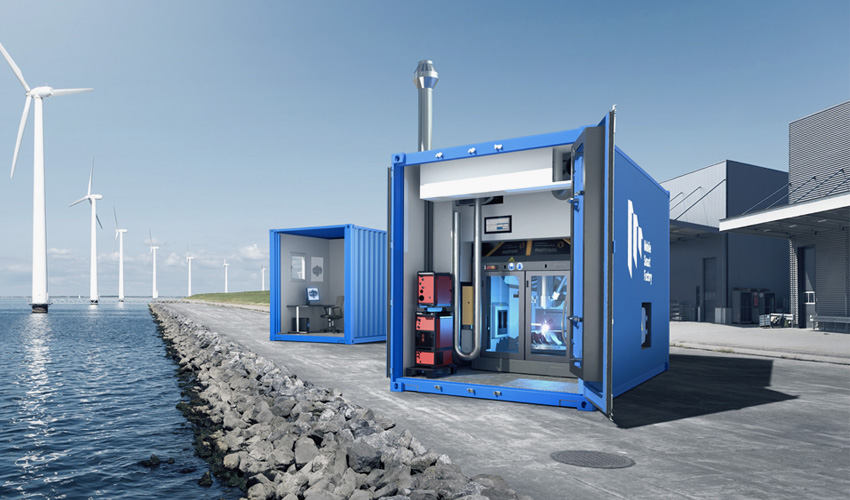 PrintersAn intelligent production module to 3D print parts on siteCan you imagine a parts factory inside a container? The so-called Mobile Smart Factory is a practical solution to bring the production process with 3D printing closer to anyone, anywhere. It is a factory inside modular containers equipped with devices…
 News3D printed fingerprint fools Samsung Galaxy S10’s sensorIn recent years, more and more smartphone manufacturers have equipped their mobile phones with fingerprint sensors, which can be used for unlocking but also for app stores and banking apps, for example. This is supposed to increase user safety, however,…
 NewsTop 5 Videos of the week: F1 Cars, 3D printing robots & more!A new selection of the best 3D printing videos of the week, just for you! Find our TOP 5 videos of the week below and tell us what your favorite video is in a comment or on our Facebook and Twitter page. Don’t hesitate to…
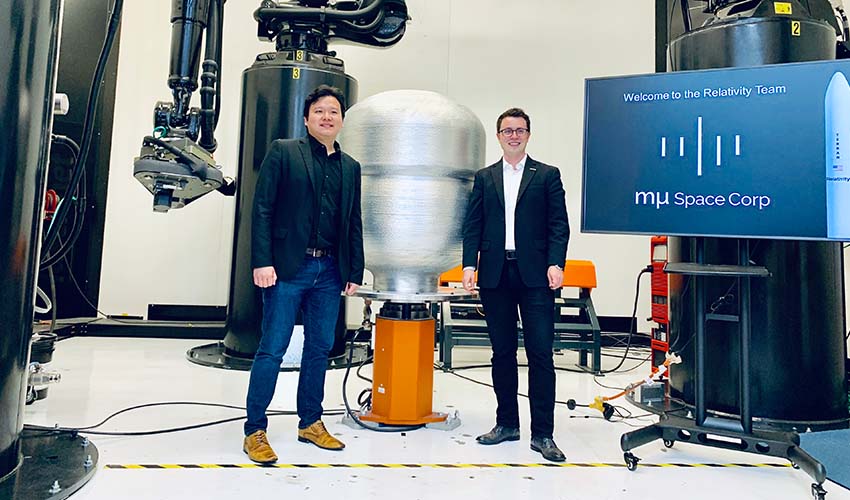 Applications3D printed rocket from Relativity will launch satellite into spaceRelativity, the first autonomous rocket factory and launch services platform for satellite constellations has announced that it will partner with mu Space to launch a satellite to space on Relativity’s Terran 1 rocket – the world’s first 3D printed rocket.…
 MaterialsRedwire Manufactures Ceramic Part in SpaceRedwire, the new leader in mission critical space solutions announced that its Ceramic Manufacturing Module (CMM) – initially developed by Made in Space – successfully manufactured a ceramic part in space. Its module is based on stereolithography (SLA) and uses pre-ceramic&hellip
 NewsIs the implementation of 3D printing in education a necessity?A new school year has begun and with it learning and preparing the youth for the future. Recently, 3D printing in education has become more widely known. Despite 3D printing being relatively new on the mainstream market, more and more…