News
Top 5 Videos: Revolutionary 3D Printing Technology Transforms Artificial Eyes for Patients
Get ready for an exciting lineup of this week’s top 5 videos! We kick off with a groundbreaking development in ocular prosthetics, where additive manufacturing technology is revolutionizing the creation of artificial eyes. Discover how the Herston Biofabrication Institute i
- 3 min read
- News
- Six more stories
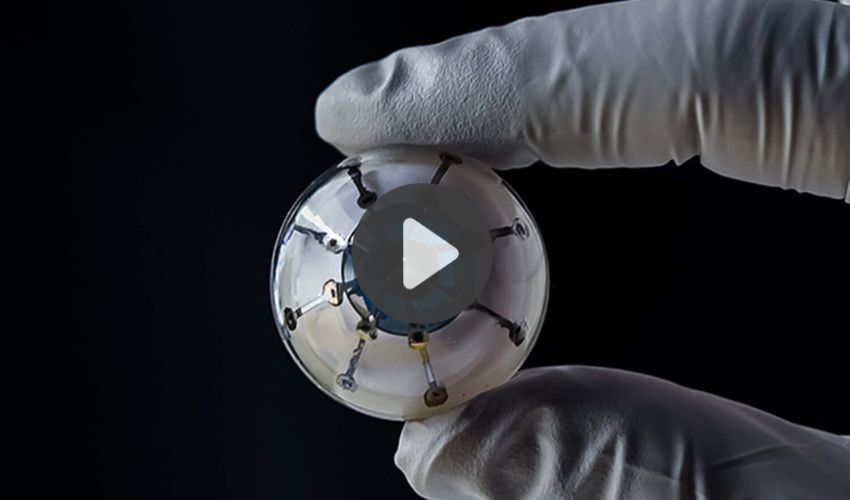
Get ready for an exciting lineup of this week’s top 5 videos! We kick off with a groundbreaking development in ocular prosthetics, where additive manufacturing technology is revolutionizing the creation of artificial eyes. Discover how the Herston Biofabrication Institute is conducting trials to evaluate the effectiveness of 3D printed eyes compared to handmade ones, offering accurate and customizable solutions for patients in need. Next, we take you behind the scenes of SolidCAM’s headquarters, exploring their venture into 3D printing and providing an exclusive glimpse into their operations. Brace yourself for a thought-provoking discussion on the controversial world of 3D printed guns, examining the rise of homemade firearms and the ongoing debate surrounding regulation and individual rights. Then, we shift gears to Georgetown, where a groundbreaking project is underway, constructing 100 3D-printed homes that aim to revolutionize the construction industry. Happy Sunday!
Top 1: Using 3D Printing for Creating Artificial Eyes for Patients
The field of ocular prosthetics is undergoing a significant transformation with the emergence of 3D printing technology. Ocularists like Nicholas Puls meticulously create prosthetic eyes for patients who have lost them due to cancer, trauma, or congenital conditions. The process involves intricate modeling and painting skills, resulting in individualized and realistic-looking prostheses. However, the Herston Biofabrication Institute is pioneering a trial to evaluate the effectiveness of 3D printed eyes compared to handmade ones. Using 3D scanning and high-resolution photographs, the team aims to produce accurate and customizable artificial eyes. This technology not only saves time but also allows for easy reproduction and distribution of prostheses to patients in need. While the machine-printed eyes are a promising advancement, ocularists believe that a hybrid approach, combining the strengths of human craftsmanship and 3D printing, is the optimal solution for achieving the best results.
More from the desk
Six other notes from the rest of the bench.
 NewsInterview with UPS: how will 3D printing impact the Supply Chain?UPS is one of the world’s leading parcel delivery companies and a leading provider of specialised transportation and logistics services. Since its creation in 1907, the company has evolved tremendously and is quickly turning to innovative solutions. It is no surprise&hellip
 ApplicationsThe MIT Rocket Team creates 3D printed rocket using plasticWith the constant developments being made in 3D printing, it can sometimes be hard to keep up. But, there is always a piece of news that stands out from the rest, and this is one of them. Recently, an independent…
 NewsTop 5 Videos: Markforged Replicates The Historic NYSE Bell For Their IPOThis week we found the top 5 videos about 3D printing, focused on how additive manufacturing can be applied in medicine, movie sets, and more. First, we take a look at the 3D printed robotic arm that is capable of…
 ApplicationsStratasys Showcases Automotive Applications at RAPID + TCT 2025While at RAPID + TCT 2025, one thing that was very obvious was the prevalence of applications on the show floor and in conference sessions. This follows a trend that we have seen for quite some time now, with companies…
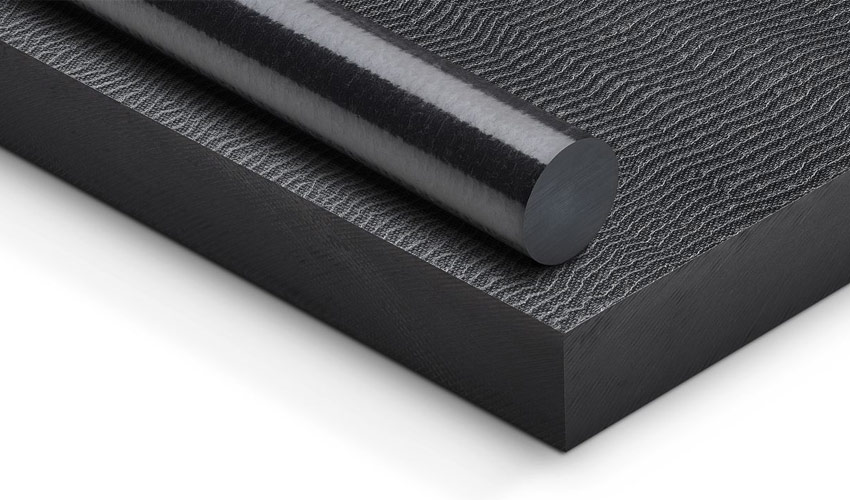 MaterialsChinese Study Explores the Advantages of Carbon Fiber Reinforced PEEK With IntamsysResearchers in China are exploring the power of short carbon fibers combined with high performance materials like PEEK using the most affordable 3D printing technology, FDM. Outlining their results in “Flexural Properties and Fracture Behavior of CF/PEEK in Orthogonal Building&he
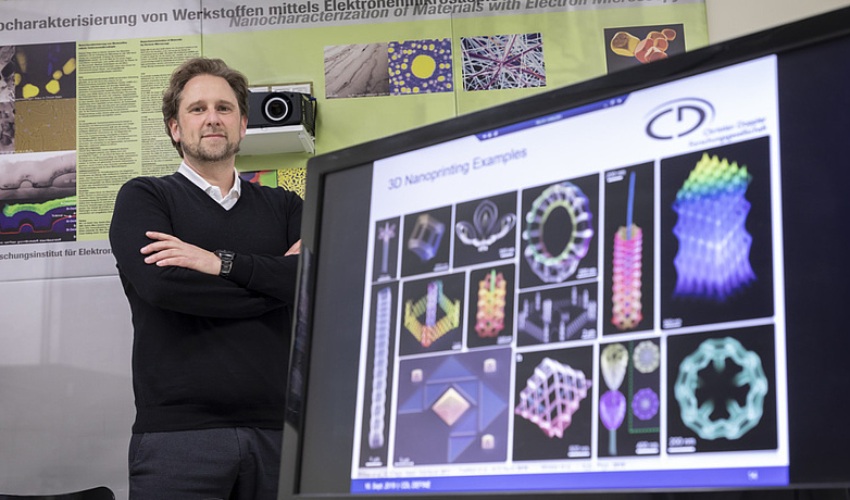 ApplicationsTU Graz Achieves Breakthrough in 3D Printed Optically Active NanostructuresResearchers Harald Plank, Verena Reisecker, and David Kuhness from Graz University of Technology have achieved a significant breakthrough in the production of 3D nanostructures, ensuring their precise shape and size to attain desired optical properties. The key to this success&he