News
Top 5 Videos: Markforged Replicates The Historic NYSE Bell For Their IPO
This week we found the top 5 videos about 3D printing, focused on how additive manufacturing can be applied in medicine, movie sets, and more. First, we take a look at the 3D printed robotic arm that is capable of…
- 3 min read
- News
- Six more stories
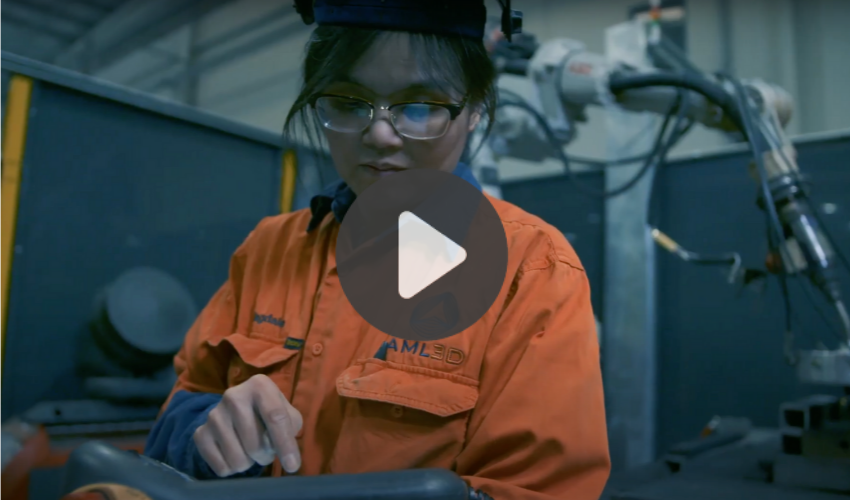
This week we found the top 5 videos about 3D printing, focused on how additive manufacturing can be applied in medicine, movie sets, and more. First, we take a look at the 3D printed robotic arm that is capable of beating the first level of the classic video game, Super Mario Brothers, and learn about its potential applications in medicine. Next, we take a look at the latest innovation from Materialise. Traditionally, 70% of powder from sintering becomes waste, but with the new Bluesint PA 12 material, the unsintered powder can be used to build brand new parts. Then we head over to the New York Stock Exchange (NYSE), where Markforged celebrates their IPO by ringing a reverse-engineered replica of the NYSE ticker bell which the company created using its own technology. Happy Sunday — enjoy watching!
TOP 1: A 3D-printed robot that can play Nintendo
At the University of Maryland, a team of researchers used 3D printing to design a robotic arm, capable of playing Nintendo and beating the first level of Super Mario Brothers in just 90 seconds. It is a “soft” robot, i.e. made of plastic and silicone that is controlled by air pressure, instead of by a source of electrical energy. Thanks to additive manufacturing, the team was able to develop the robot hand as a single component. Check out this technological gem:
TOP 2: 3D Print with 100% Re-Used Powder
A few months ago, Materialise presented a new powder for the SLS process called Bluesint PA12. The powder is 100% recyclable and can significantly reduce CO2 emissions. The production of one kilo of PA12 today generates 7.78 kilos of CO2 emissions. To overcome this problem, Materialise developed a solution to reuse 100% of the unsintered powder that is unused during the printing process. In the video below you will learn about the main advantages of such a polymer:
More from the desk
Six other notes from the rest of the bench.
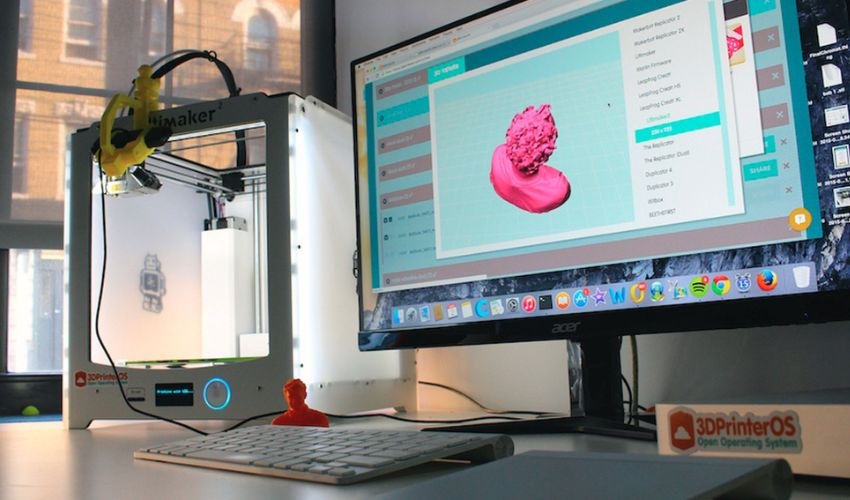 Software3DPrinterOS: A Set of Software Solutions for 3D PrintingToday, let’s take a close look into 3DPrinterOS—a user-friendly software solutions platform tailored for 3D printing enthusiasts. Serving as an open-source operating system for 3D printers, 3DPrinterOS streamlines tasks by eliminating the need to juggle multiple programs an
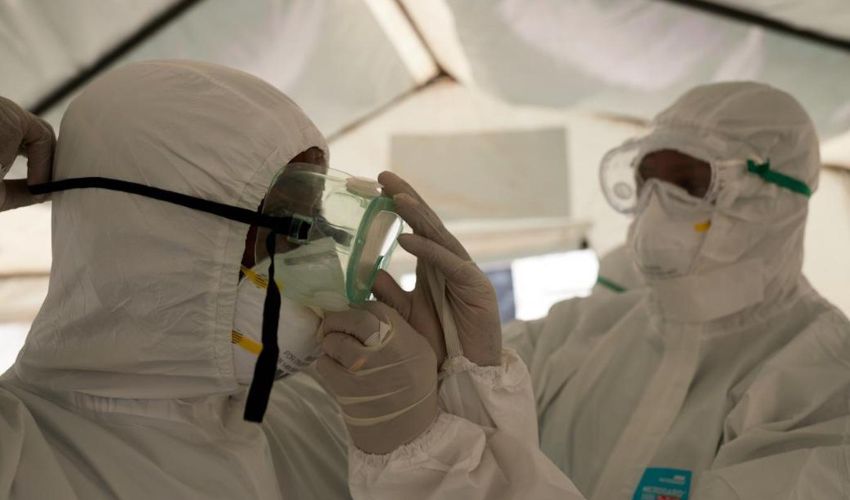 ApplicationsResearchers Used 3D Printing to Solve PPE Shortage in NigeriaA recent academic paper has revealed that researchers from the University of Sussex and the Olabisis Onabanjo University in Nigeria turned to 3D printing and open-source designs to help deal with a shortage of personal protection equipment (PPE). Like many…
 ApplicationsPOSTECH 3D Print First-of-its-Kind Lung ModelAs winter gives way to spring the newly bloomed flowers and warm weather bring with them dust, unperceived by most but an anguish to those suffering from respiratory diseases. For them, this year and last, tainted by Covid-19, has amplified…
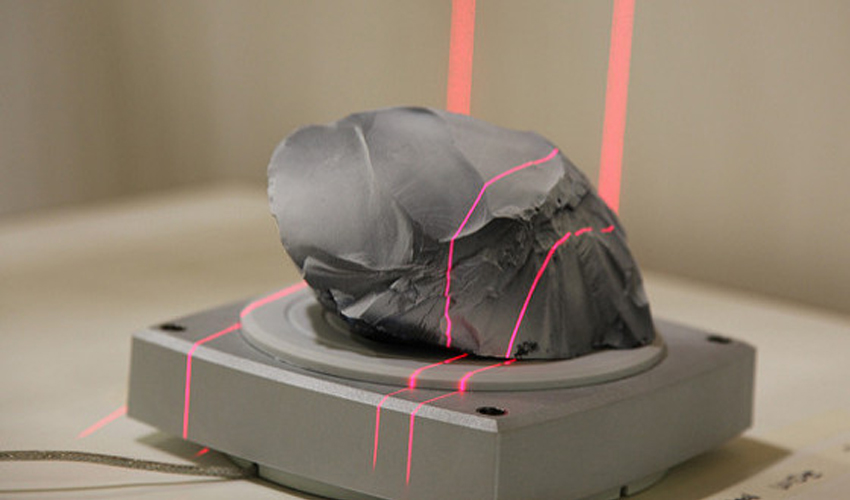 PrintersThe Complete Guide to 3D Scanners using Laser TriangulationIn line with our files on 3D printing processes, we will be starting today with a new series dedicated to the different techniques of 3D digitization. While the origin of the first 3D scanners dates back to the 1960s, this…
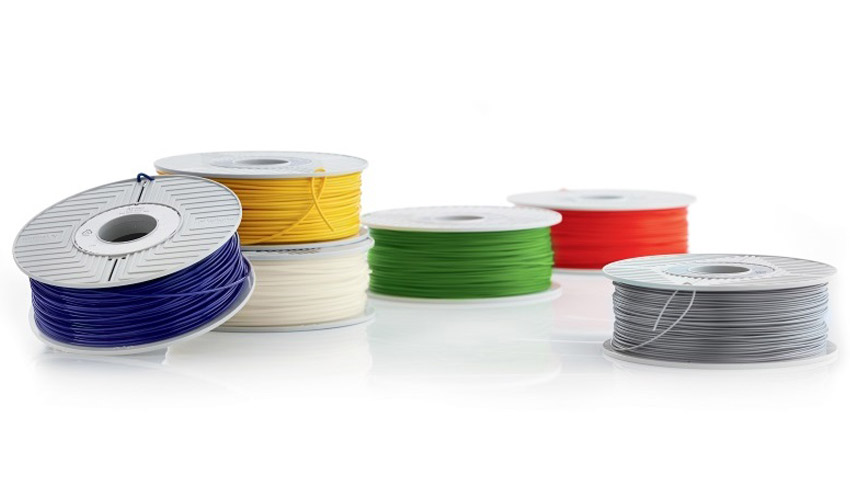 NewsVerbatim presents Durabio; an eco-friendly 3D printing filamentA subsidiary of Mitsubishi Chemical Corporation, Verbatim has announced the arrival of a new filament for FDM 3D printing made from Durabio’s eco-friendly material. This transparent material combines the properties of polycarbonate (PC) and polymethacrylate (PMMA). It has g
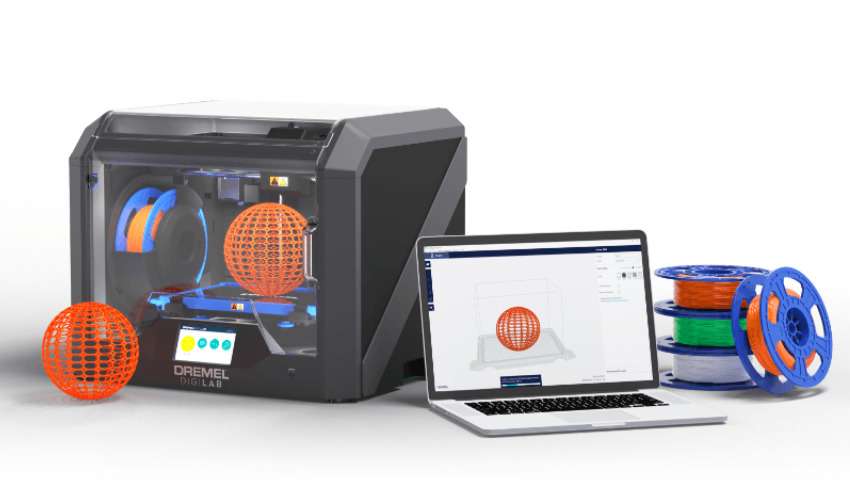 PrintersWhich Dremel 3D Printers Are Currently On the Market?In 2014, Dremel Manufacturing Company moved into 3D printing market with their offshoot, Dremel DigiLab. In line with their focus to shape the new generation of pioneers, their motivation, according to the website, centers around using their products and machines…