News
Top 5 Videos: What Are the Different Industrial Post-Processing Techniques?
It’s Sunday again which means it’s time for the top 5 3D printing videos! For this week, first, check out the video from Ridge Systems which looks at six common post-processing techniques for professional 3D printed parts. Next, follow the…
- 3 min read
- News
- Six more stories
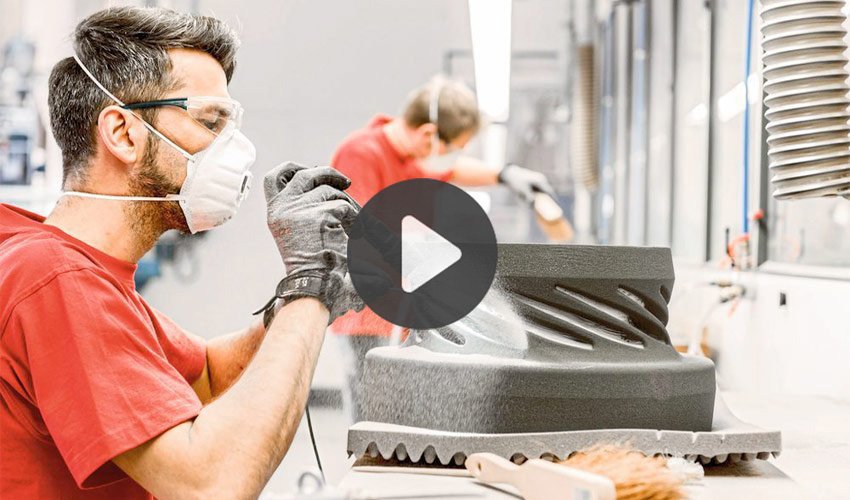
It’s Sunday again which means it’s time for the top 5 3D printing videos! For this week, first, check out the video from Ridge Systems which looks at six common post-processing techniques for professional 3D printed parts. Next, follow the Swiss students who used 3D printing to create parts for their record-breaking hybrid rocket before watching a video on how Kaizen PLM and Siemens are enabling additive manufacturing on demand. Finally, close out the week with a video on how Cobb turing has adopted Markforged 3D printing for durable production tooling and a video about how USA Luge has been using 3D printing to gain the edge. Happy Sunday and happy watching!
Top 1: Six post-processing techniques for professional 3D printed parts
If you’re a 3D printing enthusiast, or use additive manufacturing in your profession, you probably know that once the printing process is complete, a post-processing step is often necessary. Hawk Ridge Systems, a U.S.-based company that specializes in 3D printing and design solutions, takes a look at different post-processing techniques for finalizing parts. These include painting, tinting and steam smoothing methods:
Top 2: 3D Printed Rocket Parts
Every year, ARIS launches innovative aerospace projects for students at Swiss universities. In this program, the students had to design a rocket in less than a year. This next video follows ARIS PICCARD, the group that were able to create a hybrid rocket that reached over 6 kilometers, setting a new record. In order to quickly test different prototypes, the students opted for 3D printing and in particular the FDM process. For the more demanding parts, such as the hinge of the hatch, the students opted for selective laser sintering (SLS), a technology that makes it possible to manufacture very light components and integrate several functions into a single part. Learn more in the video below!
More from the desk
Six other notes from the rest of the bench.
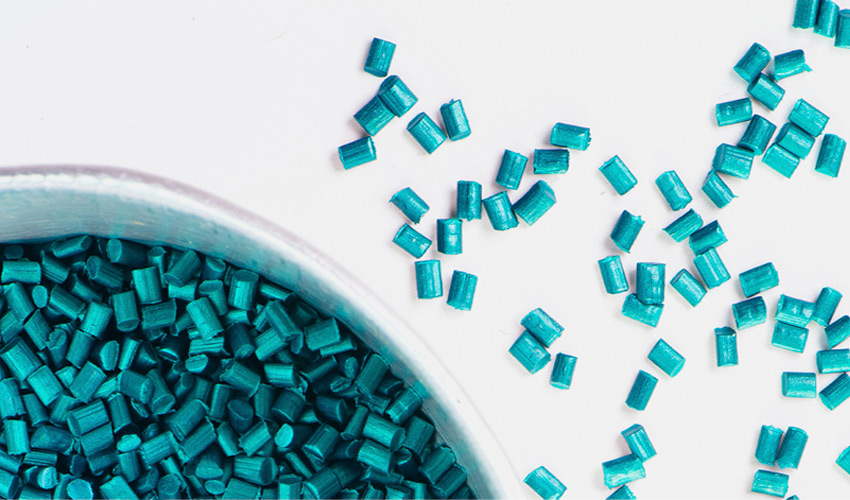 Materials10 Reasons to Use Pellets in 3D PrintingThe term pellets, in the context of plastics, refers to small granules of various shapes (small cylinders or discs) made of polymer or a polymer blend. These are used as a raw material for the manufacture of finished plastic products…
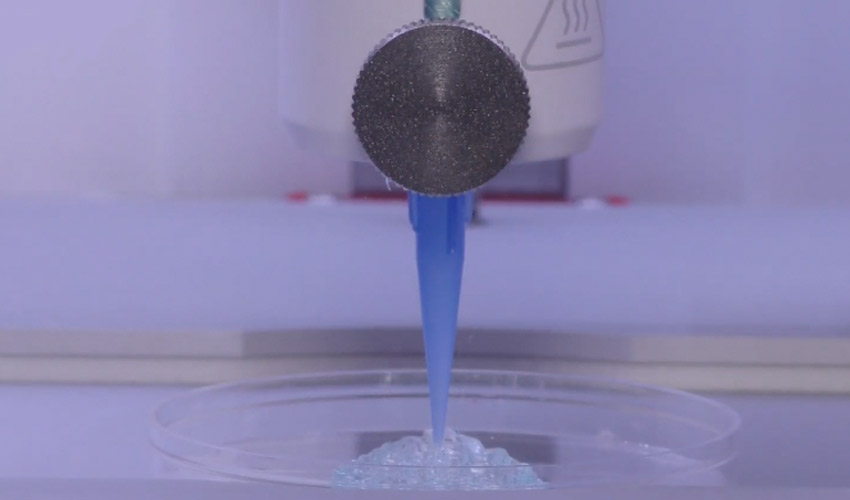 ApplicationsA team of scientists bioprinted a vascularized skin graftResearchers at Rensselaer Polytechnic Institute in New York and Yale Medical School have bioprinted vascularized skin tissues, which were successfully tested on a mouse. Apparently, the skin managed to connect to the animal’s blood vessels. For the medical sector, this&hell
 GuidesAaron Sims Creative: creators of the Stranger Things DemogorgonWe interviewed Aaron Sims Creative, who 3D printed the Demogorgon used in the filming of Netflix’s Stranger Things. The creative studio employ a variety of methods in creating their characters for TV and films. We asked them about how they…
 Printers3D Print ceramic pieces on your SLA 3D printerSix years ago, the American manufacturer Formlabs unveiled their first stereolithography 3D printer that was made to be accessible to as many people as possible, with a relatively low marketing price. Since then, the company has grown quickly, evolving their…
 Software#Startup3D: SAMGEN Unveils Its AI-Based Predictive Maintenance Software for Additive ManufacturingThe importance of artificial intelligence to optimize processes in Industry 5.0 is becoming increasingly evident. Even in the field of additive manufacturing (AM), we have seen a number of applications for AI, especially in software enhancement. From design to manufacturing,&hell
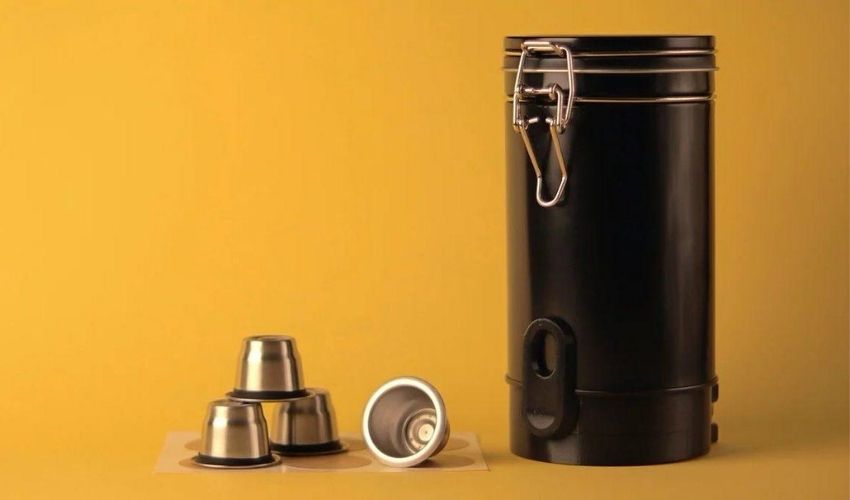 NewsCaps Me Partners with Kimya to 3D Print Reusable Coffee CapsulesNespresso machines and the like are widely popular and used by coffee-lovers across the globe. However, these convenient machines and their capsules can have a devastating impact on the environment. This is precisely why two engineering students founded the startup…