Materials
10 Reasons to Use Pellets in 3D Printing
The term pellets, in the context of plastics, refers to small granules of various shapes (small cylinders or discs) made of polymer or a polymer blend. These are used as a raw material for the manufacture of finished plastic products…
- 3 min read
- Materials
- Six more stories
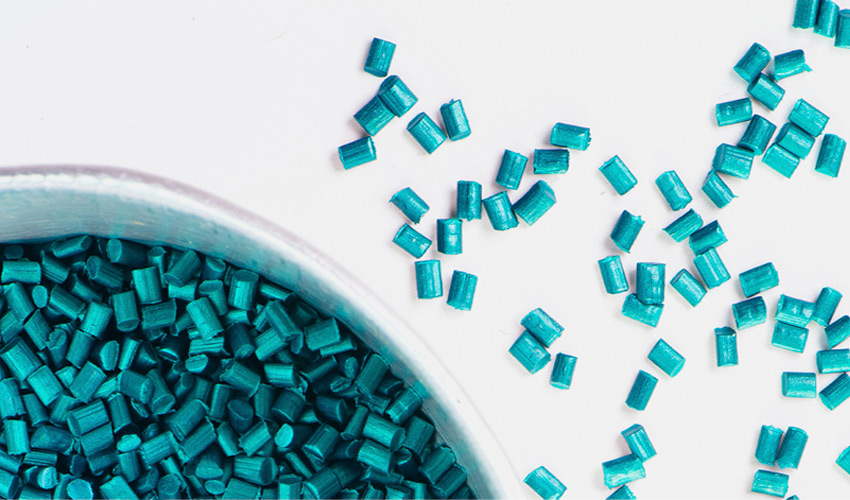
The term pellets, in the context of plastics, refers to small granules of various shapes (small cylinders or discs) made of polymer or a polymer blend. These are used as a raw material for the manufacture of finished plastic products through various technologies, among which is additive manufacturing. The 3D printing technology used with pellets is material extrusion, which often involves a comparison with the use of filaments. Today we will look at why using pellets in 3D printing can be advantageous, analyzing the top 10 reasons why manufacturers and users are turning to this technology. The choice is not just about the shape of the material used, as much as the type of material, the machines used, the end applications, the size of the parts, the flexibility and speed of printing, and the sustainability aspect of the pellets. We delve into all these points and more below.
1. Wide Material Choice
One of the prime motivations for adopting pellet 3D printing is the ability to have access to a wide range of materials. In FFF 3D printing, the materials available in filament form, while numerous today, pale in comparison to those available as pellets. This is because the pelletizing process allows a plastic material to be transformed into pellets without significantly compromising the starting polymer, as is the case when creating filaments.
Thus, pellets allow the use of raw polymers, thermoplastics and even composite materials with additives such as glass or carbon fibers. This allows experimentation with new formulations, adapting the mechanical, thermal or aesthetic properties of the finished product and obtaining customized formulations. Finally, pellets are also used in other manufacturing technologies, such as injection molding, which expands the choice of materials available.
More from the desk
Six other notes from the rest of the bench.
 NewsWohlers Report 2023: Double-Digit Growth for Additive ManufacturingThe Wohlers Report is undoubtedly the bible of 3D printing. Every year, this benchmark report is one of the most important resources for those wishing to study key market characteristics and trends. The 2023 edition has just been released and…
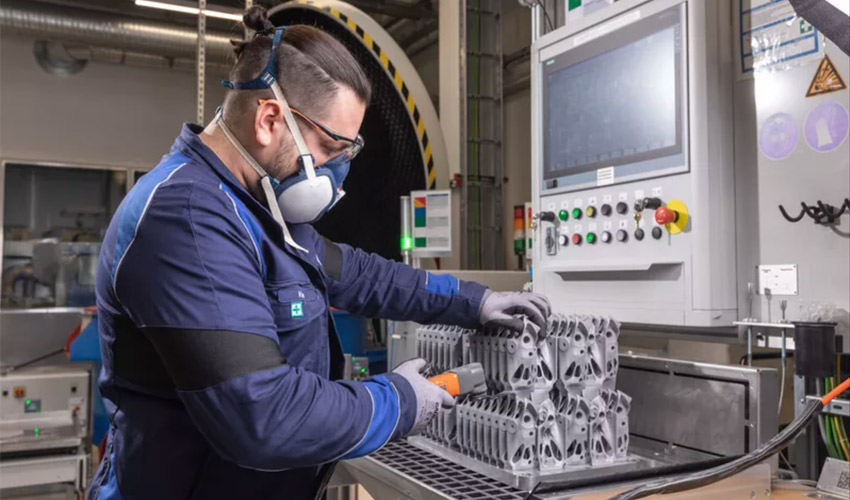 ApplicationsRolls-Royce is accelerating the integration of 3D printing into its production processSince the start of the year, the British manufacturer Rolls-Royce, a subsidiary of the BMW Group, has been 3D printing plastic and metal parts for its Rolls-Royce Ghost model. The parts are manufactured along the production line at various locations…
 News3D Printing Job Market Trends in 2020While many industries were heavily impacted by the health crisis during 2020, the field of additive manufacturing continued to grow. Companies are more confident in the technology and continue to invest in order to continue their development. But that’s not…
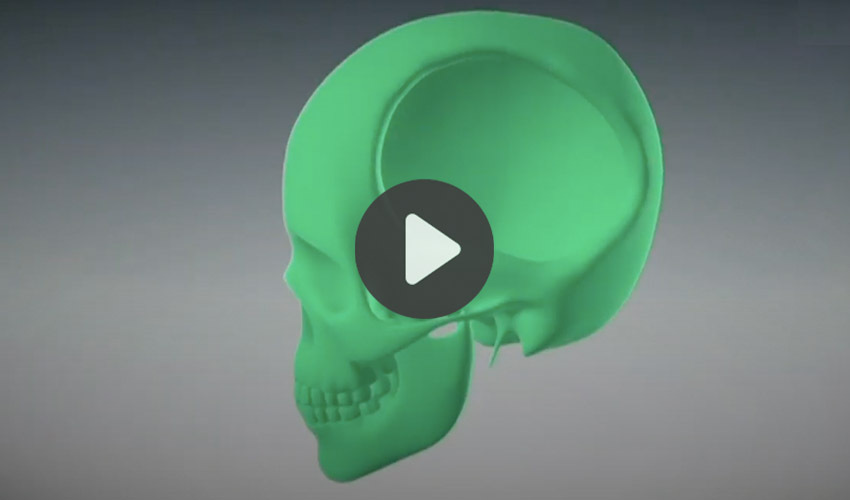 NewsTop 5 Videos: World’s First 3D printed Skull ImplantThis week we found the top 5 videos about 3D printing and the way additive manufacturing is changing production. The technology has infiltrated many sectors, from medical to automotive – check our selection of the week to keep up with the innovations! If you enjoy these, you&hell
 NewsMaterialise 3D Prints 2,000 Parts for the Latest Bike From PinarelloOnce again, 3D printing is making its mark on the field of cycling! Like Canadian start-up Kupol, which 3D printed modular bicycle helmets, many companies are using additive manufacturing to design sports equipment. And it is clear these initiatives are…
 NewsThe Cabin of Curiosities – 3D Printed Hub !The American company Emerging Objects has recently revealed a 3D printed cabin, The Cabin of Curiosities, which is a building project that is a little out of the ordinary, with an exterior that looks more like a garden. At a time when…