Printers
3D Print ceramic pieces on your SLA 3D printer
Six years ago, the American manufacturer Formlabs unveiled their first stereolithography 3D printer that was made to be accessible to as many people as possible, with a relatively low marketing price. Since then, the company has grown quickly, evolving their…
- 3 min read
- Printers
- Six more stories
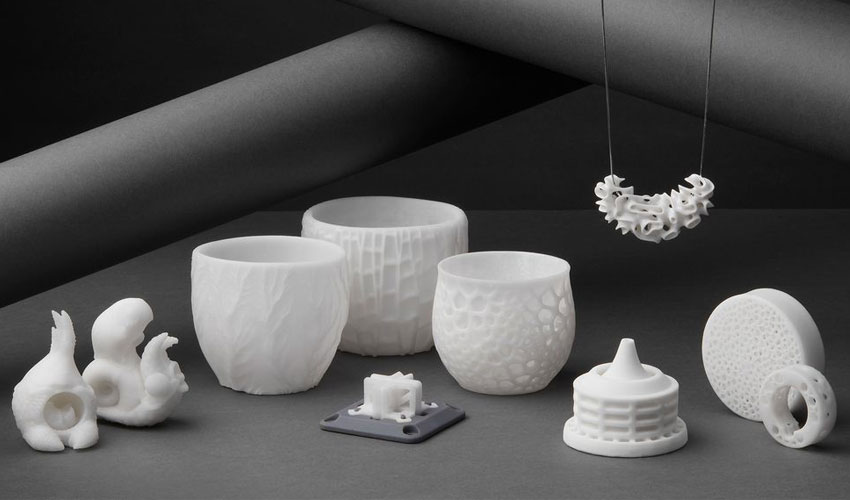
Six years ago, the American manufacturer Formlabs unveiled their first stereolithography 3D printer that was made to be accessible to as many people as possible, with a relatively low marketing price. Since then, the company has grown quickly, evolving their product range of 3D printers and materials while also successfully completing several fundraisers.A few days ago, they announced their official launch of an experimental Ceramic Resin for their European and North American users.
3D ceramic printing is of interest to an increasing amount of players in the additive manufacturing market; such as Kwambio who announced the arrival of a new industrial machine or the Israeli XJet with their Carmel range. The technology, however, is not accessible to all, with high prices and some complexity in its handling. Formlabs wants to lower this price, justifying the launch of Ceramic Resin, a material compatible with the Form 2 3D printer, which remains relatively accessible.
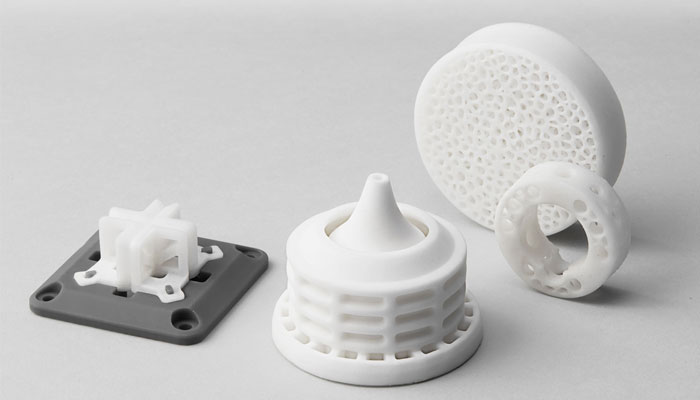
Ceramic Resin 3D printed parts (photo credits: Formlabs)
While they have proposed more colors for their resins that are compatible with their SLA 3D printers last year, they are looking this time to a ceramic solution, offering more opportunities to engineers and designers. It seems that the R&D and in-house production laboratories are becoming more and more interested in ceramic 3D printing. For example, the military uses ceramic materials to design lightweight shields, while electronics manufacturers use alumina ceramics for insulators, resistors, and semiconductors because of their high properties of heat and electrical conductivity.
More from the desk
Six other notes from the rest of the bench.
 News3D printed costumes used in Black PantherBlack Panther the recent Marvel hit movie has reached a new milestone by being the latest movie to gross more than billion dollars at the world wide box office. The success of the film has brought so much scope and inspiration…
 PrintersLulzBot unveils its first open-source bioprinterLast June, Aleph Objects announced its collaboration with FluidForm, the two companies were setting out to create a new bioprinting hardware with the long-term goal of creating real functional tissues. Aleph Objects, the manufacturer of LulzBot 3D printers decided to…
 NewsWhat are the recruiting trends in 3D printing?Behind additive manufacturing technologies lies the know-how and knowledge of qualified people on cutting-edge subjects. It is quite clear that 3D printing attracts many profiles and companies have been recruiting, but in what proportions? What are the recruiting trends in&hellip
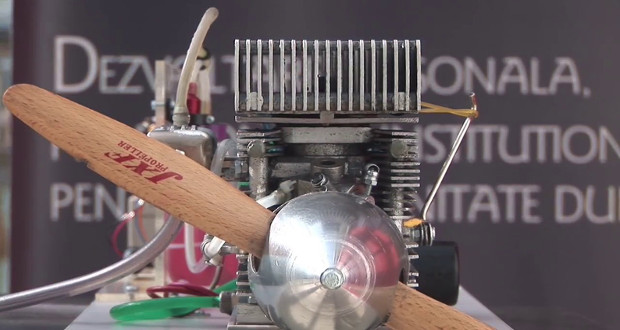 ApplicationsRomanian Engineer 3D prints first ever airplane engine prototypeThe aerospace industry has been making gains left and right thanks to additive manufacturing technology. Between investments made by large corporations that are helping to create 3D printed parts for the interior of planes, to the creation of a giant 3D…
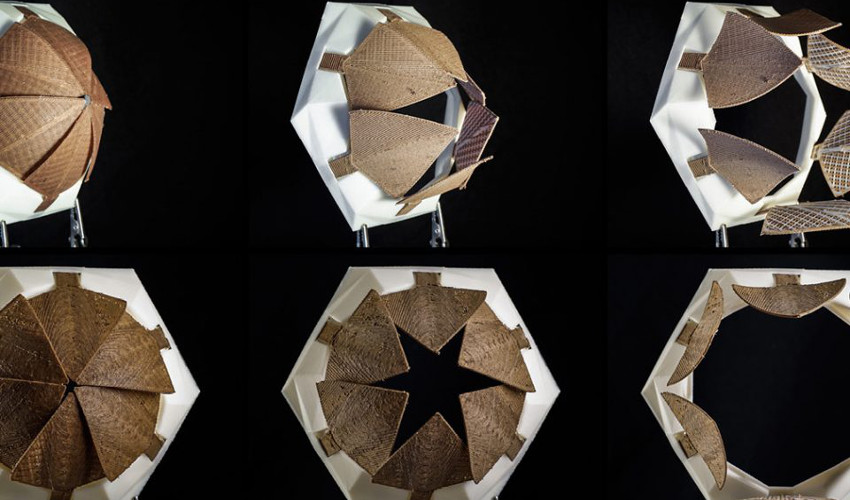 Materials4D printing reconfigurable materials for use in aerospace, medical and robotics fields4D printing is an upcoming form of additive manufacturing with effects that continue beyond the print. It is similar to 3D printing in the sense that an object is also built layer by layer. However, the object can then change…
 NewsTop 5 Videos of the Week: groundbreaking 3D printed building in Dubai…This week we found the top 5 videos about 3D printing and the way additive manufacturing is shaping our society. The technology has infiltrated many sectors, from medical to automotive! Check out our selection of the week to keep up with the innovations! This week we…