Guides
#3DStartup: TissueLabs on Using Bioprinting to Make Artificial Organs
When we think about 3D printing in the medical sector, one of the most exciting applications is without a doubt bioprinting. This method of creating cellular structures from bioinks made with stem cells is intriguing to many for its vast…
- 3 min read
- Guides
- Six more stories
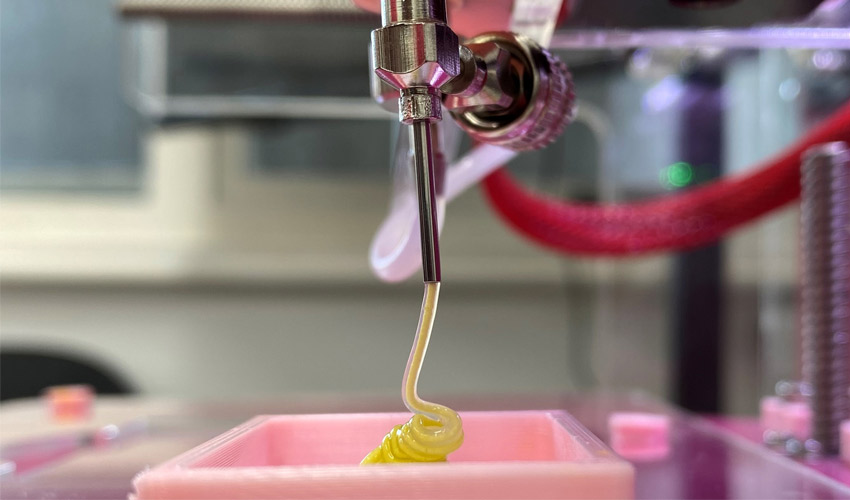
When we think about 3D printing in the medical sector, one of the most exciting applications is without a doubt bioprinting. This method of creating cellular structures from bioinks made with stem cells is intriguing to many for its vast applications including creating skin, tissues or even organs. Considering the fact that there are approximately 105,909 men, women and children on the American transplant list and at least 17 die waiting for one each day, the possibility to create artificial organs is especially intriguing. And though there has been some progress made, research is still needed. Enter TissueLabs. This company has been named our 3D startup of the month for its advances in bioprinting and bioprinters for the creation of artificial organs. We spoke with Gabriel Liguori, the founder and CEO, to learn more about how their technology works and their goals for the future.
3DN: Could you introduce yourself and your link with 3D printing?
My name is Gabriel Liguori; I’m the founder and CEO of TissueLabs. I lead TissueLabs towards developing artificial organs in the lab to address the current limitations of organ transplantation. I’m a medical doctor with a Ph.D. in Cardiovascular Regenerative Medicine and Thoracic and Cardiovascular Surgery. I was named a Forbes 30 Under 30 in 2018 and nominated by MIT Technology Review as one of my generation’s most innovative young minds (MIT Innovators Under 35).
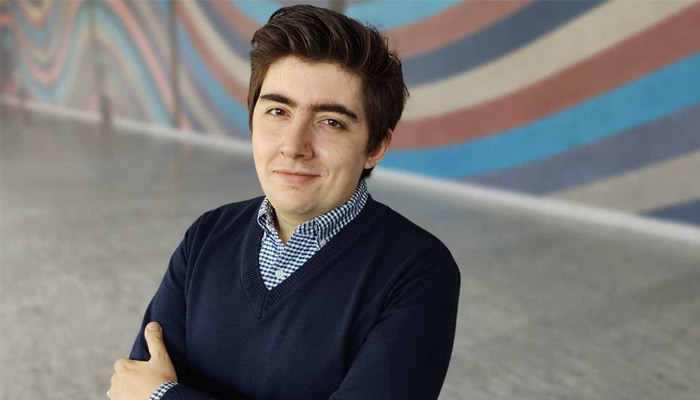
Gabriel Liguori
I started working with bioprinting during my Ph.D. Although it was not the center of my thesis, which at the time was primarily focused on scaffold seeding techniques, I convinced my supervisor to acquire a 3D bioprinter so that we could develop tissue-engineered vascular grafts – my thesis was on novel approaches to vascular tissue engineering. After the acquisition process, we started having issues with the system. A few months later, I finished my Ph.D. studies at the University of Groningen (Netherlands) – without actually managing to do what I expected with the bioprinter – and moved to Brazil, where I had the opportunity to start a new lab on tissue engineering at the University of Sao Paulo. There, I decided to buy a bioprinter from another company, the main competitor of the one I dealt with before. Unfortunately, again, I had repetitive disappointments.
More from the desk
Six other notes from the rest of the bench.
 NewsMilitary 3D Printing Sector Expected to be Worth $1.7 Billion by 2027If you have been following for a while, you have probably seen that additive manufacturing is increasingly finding its place within the defence sector. And now this has been confirmed as according to a market report published by Stratview Research,…
 NewsWork Begins On World’s First 3D Printed Mosque3D printing is an emerging technology in the field of construction and building, offering a more efficient workflow and the ability to construct on command. We’ve seen houses, offices, resorts, but soon will see another first: the world’s only 3D…
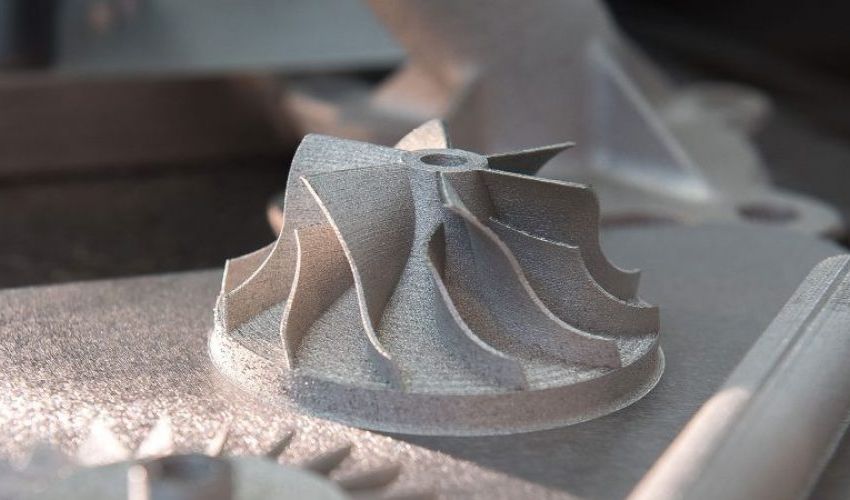 MaterialsORNL and IperionX Are Developing Low-Cost Titanium Alloys for AMIperionX has announced that it is collaborating with Oak Ridge National Laboratory in order to further develop low-cost titanium alloys for additive manufacturing. As part of a U.S. Department of Energy (DOE) approved user agreement, the two will be working…
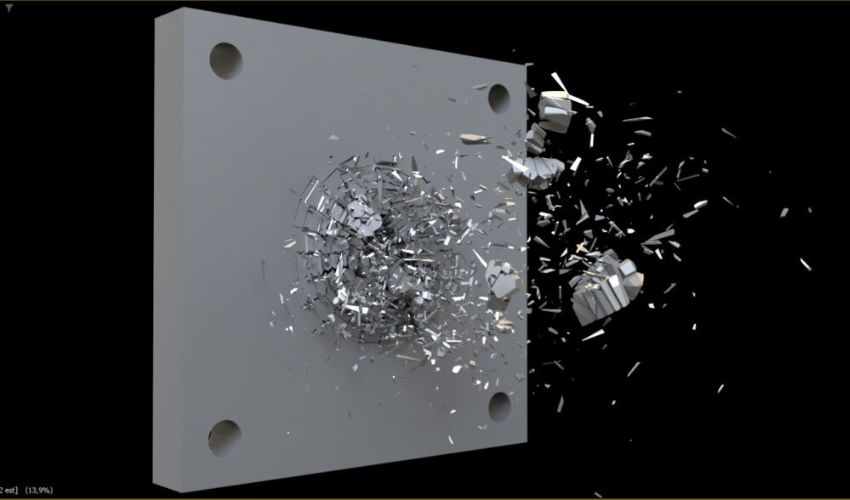 Applications3D Printed Kevlar Shields to Revolutionize Aerospace Repair TechniquesAircraft and spacecraft have become central to our way of life. Whether for traveling, satellite communications, navigation, national security or any of the other numerous applications for which these craft are necessary, it is important that they be able to…
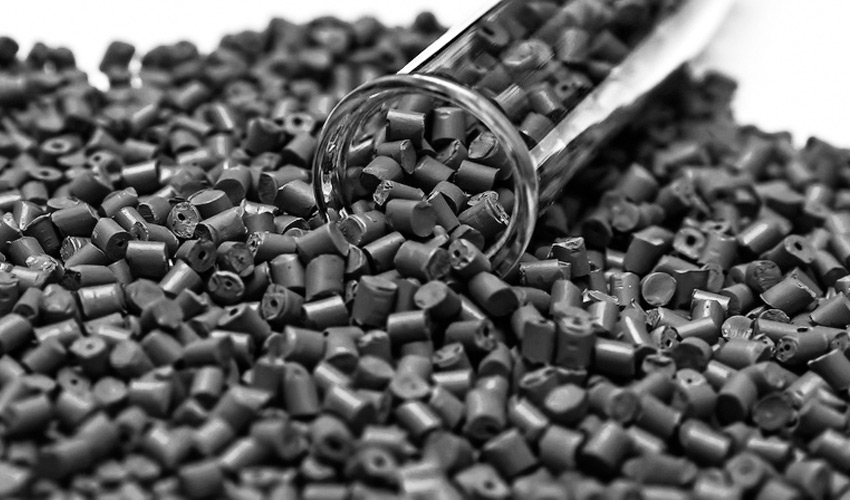 PrintersIntegrating FGF Technology to Meet Industrial NeedsLarge-format additive manufacturing (LFAM) by direct pellet extrusion, also called FGF (Fused Granular Fabrication), is a technology that until recently required not only a large investment, but was also not easy to make profitable and presented certain limitations in terms&helli
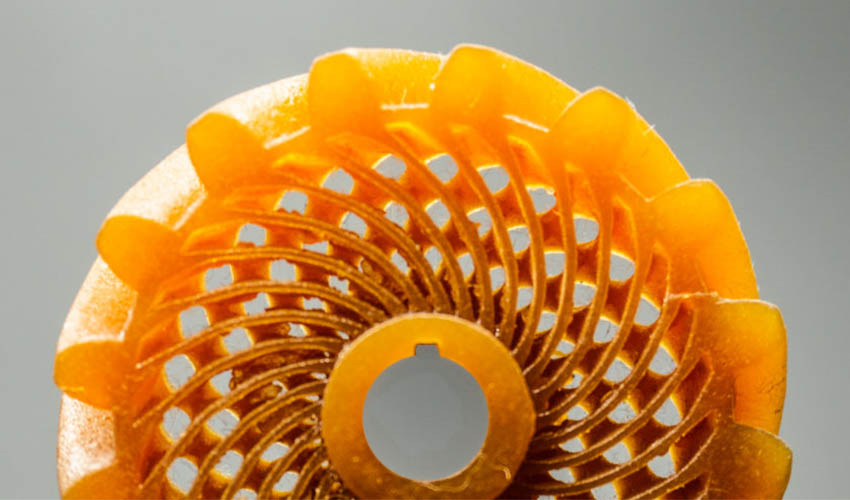 NewsHenkel and Fortify partner to develop 3D printed injection molding toolsHenkel and Fortify announced a new collaboration to enable high-performance applications in 3D printing. The two companies will be partnering to find innovative solutions for injection mold tooling, prototyping and low volume production. Fortify is well known in the 3D…