Guides
What Are the Top 4D Printing Projects?
Have you heard of 4D printing? Building off conventional 3D printing, 4D printing incorporates another dimension: time. This means that the final object does not stay static, rather it is able to change shape, color or size after receiving an…
- 3 min read
- Guides
- Six more stories
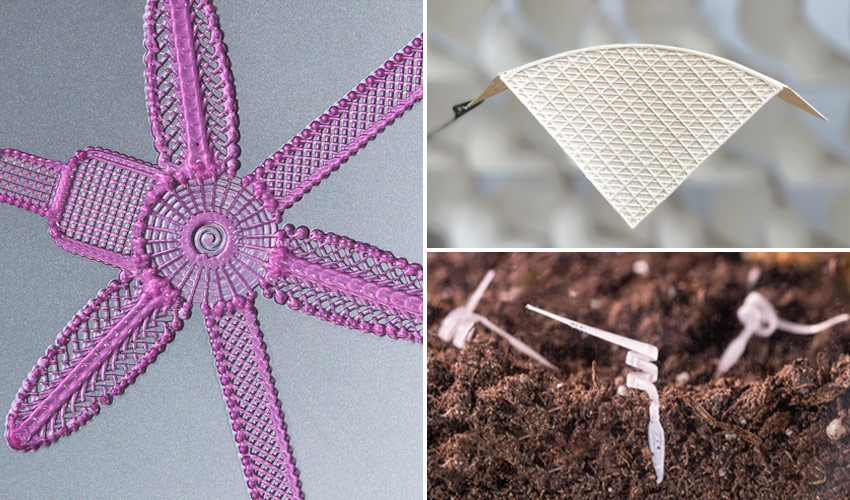
Have you heard of 4D printing? Building off conventional 3D printing, 4D printing incorporates another dimension: time. This means that the final object does not stay static, rather it is able to change shape, color or size after receiving an external stimulus. Introduced in 2013, the origins of 4D printing trace back to Sklyar Tibbs from MIT’s Self-Assembly Lab, who is still one of those most active in projects today, even if the field has come a long way. But what projects are available? We took a closer look at different successful examples of 4D printing that can be found in the sector, including applications and materials, in our latest listing.
Mizzou Engineering Develops Implant Made From Smart Material
As part of a study published earlier this year, a team of researchers from Mizzou Engineering has succeeded in developing a medical implant using 4D printing. The implant can be fully personalized and also promotes soft tissue regeneration thanks to its material composition. According to the scientists, the decisive factor for a personalized treatment option was the 4D printing of the implant. 4D printing combines 3D printing technology and smart materials that can adapt their functions in certain contexts. In this case, a bioresorbable shape memory elastomer was used. This made it possible to address the patient’s complaints and identify an optimal treatment: “We designed an in vitro model of the patient and implanted it intravascularly inside a 3D printed heart of the patient to show a proof of concept of how the material would be used for that issue,” says Alireza Mahjoubnia, PhD student in mechanical engineering. “The material can change behavior based on physiological conditions. We program its shape to go through a catheter and after it gets inside the left atrial appendage, it can recover its shape to go back to its original shape, showing shape memory behavior.”

Photo Credits: University of Missouri
4D Printing for Bone Regeneration
Another example of 4D printing in the medical field, a group of researchers in China has studied the possibility of creating smart 4D biopiezoelectric scaffolds for bone regeneration. Piezoelectricity in human bones is a key factor in bone regeneration. Therefore, biopiezoelectric materials have gained considerable attention in the repair of damaged bone. However, traditional manufacturing strategies still encounter limitations in creating customized scaffolds, hindering their clinical applications. Researchers therefore investigated the uses of 3D and 4D printing for the fabrication of biopiezoelectric scaffolds into more complexly shaped structures. Specifically, 4D scaffolds can provide time-dependent programmable tissue in response to external stimuli for bone regeneration. These intelligent implants that change shape, properties, and functionality in bone tissue engineering and could thus be used as next-generation implants.
More from the desk
Six other notes from the rest of the bench.
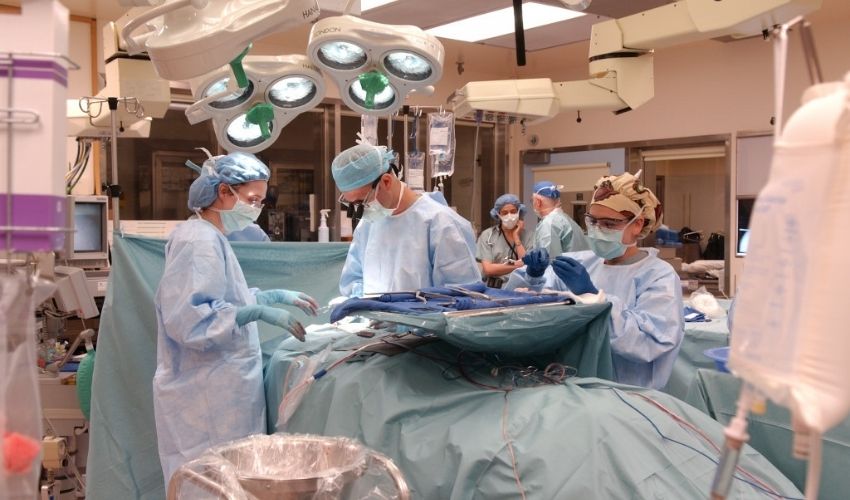 ApplicationsIsraeli Doctors Have Made a Potential Medical Breakthrough for Brain Cancer Thanks to a 3D-Printed TumorResearchers at Tel Aviv University have successfully made an active and viable glioblastoma tumor, an aggressive form of brain cancer, using 3D printing. Though it may seem counter-productive, the team believes that this will be a new way to treat…
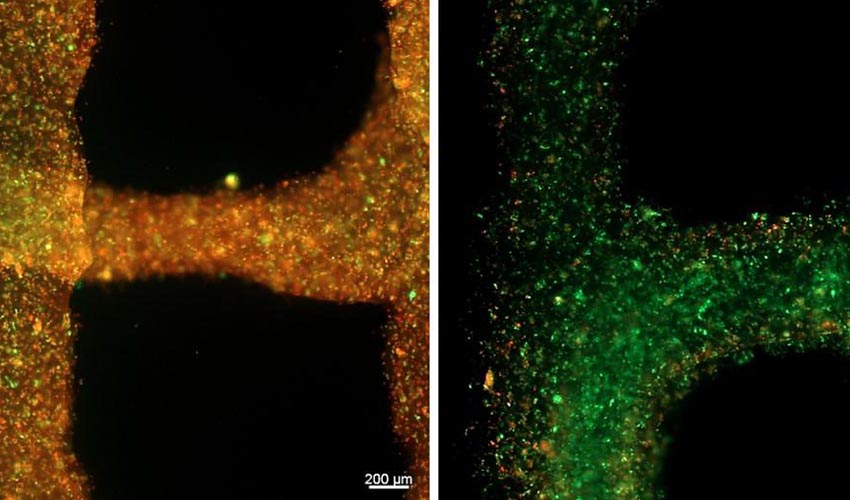 ApplicationsScientists develop oxygen-releasing bioink for bioprintingThe field of bioprinting has experienced multiple breakthroughs in recent years, one of which is the possibility to generate tissue structures using bioinks and 3D bioprinters. One of the main hurdles in this field is keeping these tissues alive. As…
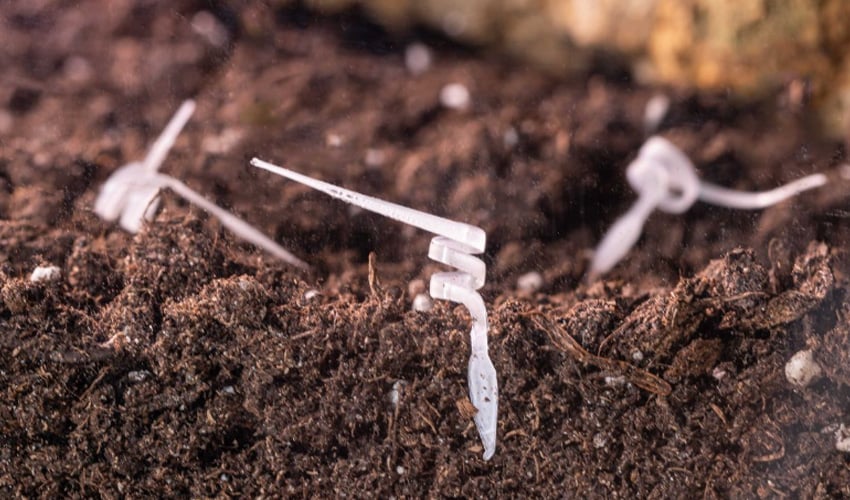 NewsThe I-Seed: a 4D Printed Robot Capable of Analyzing Air and Soil QualityIn the Italian Institute of Technology (ITT), there is a bio-inspired robotics laboratory whose mission is to design and develop new innovative solutions, while drawing inspiration from nature. In 2021, they launched the I-Seed, a project to develop a new generation…
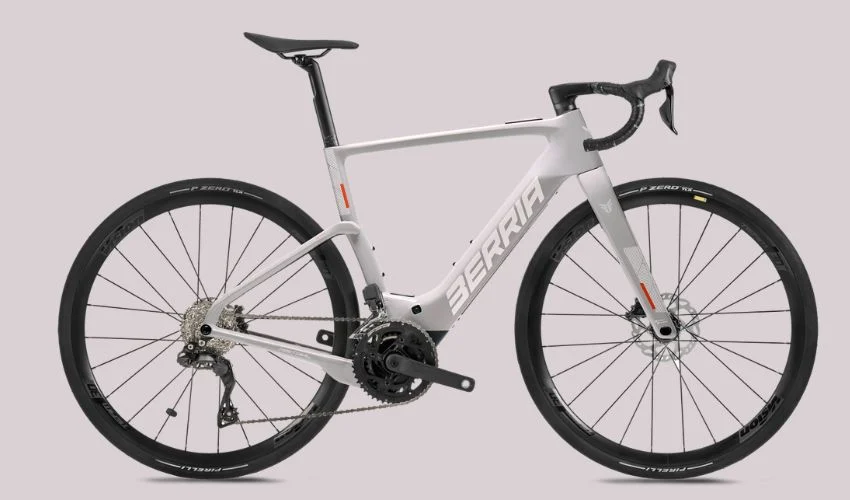 ApplicationsBerria Bike and Mausa 3D Unveil 3D-Printed E-Bike PrototypeThe use of additive manufacturing as a tool for developing and testing new products has become increasingly more popular within high-demand and well-established industrial sectors. Recently, much of this new testing has been used within the bicycle sector. More specifically,&hell
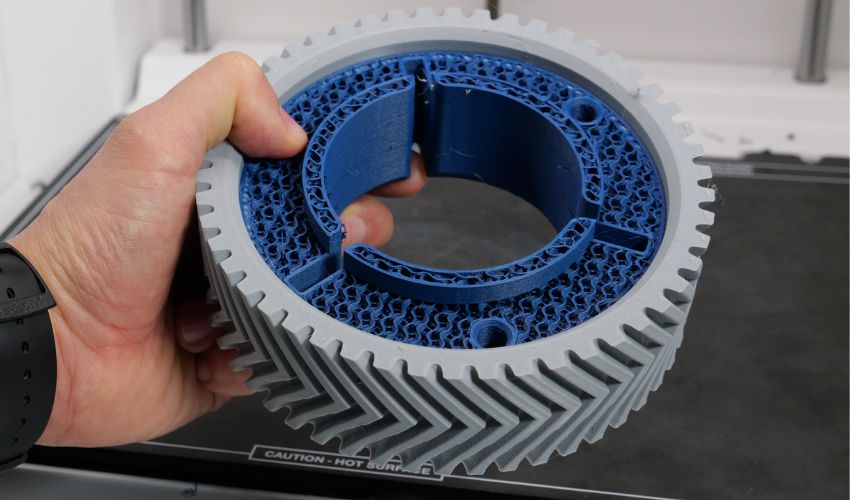 Materials8 Reasons Why Multi-Material 3D Printing Is the Next FrontierAs 3D printing continues to mature, one development is standing out: the rise of multi-material printing. What was once a niche capability is quickly becoming a practical tool for engineers, designers, and manufacturers who want to build more functional parts…
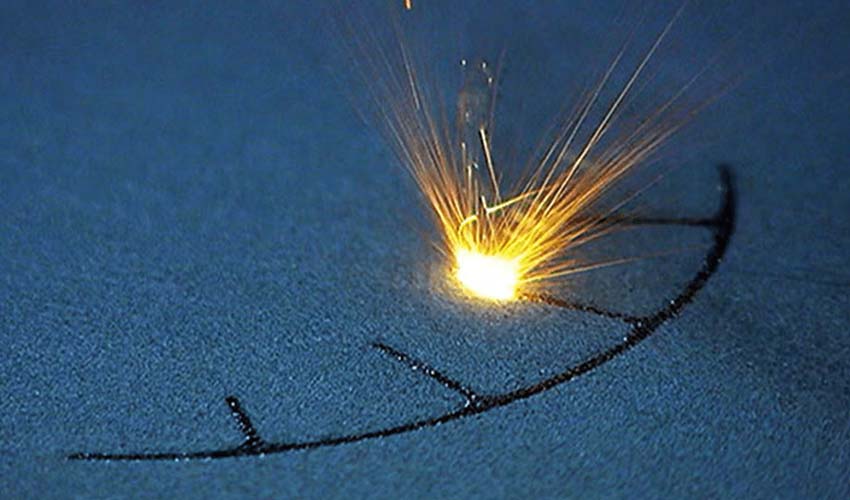 NewsWhat will the market for industrial lasers in the AM industry look like in the next years?In its latest report, the research firm SmarTech Analysis identifies the economic opportunities industrial lasers bring to the 3D printing and AM market. In fact, the industry of lasers has opportunities in established technologies, notably SLA (Stereolithography) and PBF (Powder