Applications
The Role of AM in the Automotive Industry
In the automotive industry, OEMs have historically mostly used additive manufacturing for rapid prototyping. In more recent years however, advances in AM have slowly been transforming the ways in which end-use parts are designed, manufactured and distributed. Deloitte’s 3D opport
- 3 min read
- Applications
- Six more stories
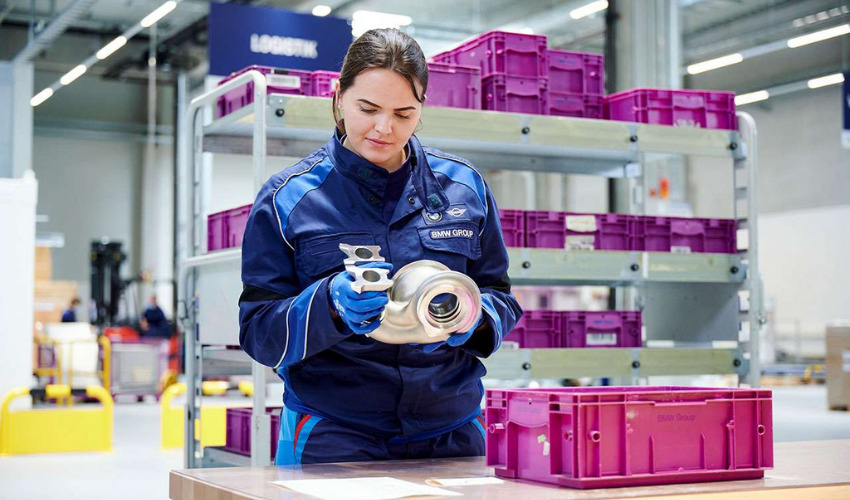
In the automotive industry, OEMs have historically mostly used additive manufacturing for rapid prototyping. In more recent years however, advances in AM have slowly been transforming the ways in which end-use parts are designed, manufactured and distributed. Deloitte’s 3D opportunity in the automotive industry study explains that in the current standard AM path, companies do not seek radical alterations in either supply chains or products. AM is adopted to create design iterations, to enhance quality through cost-effective prototyping, and to create specific tooling parts. Nevertheless, other AM paths in automotive exist, which transform products and supply chains more radically. This is what we will explore in the following overview of additive’s impact in the automotive industry. In fact, SmarTech Analysis’ report revealed that by 2029, automotive 3D printing will have generated $9 billion in revenue from the production of end-use parts alone, compared to $1.39 billion in 2019. So, where is AM in this sector headed?
Pre-production benefits
Accelerating the product design phase during new product development is key in any industry. Thankfully, 3D printing can replace expensive and long lead-time CNC production in this phase. More precisely, it enables designers to cost-effectively go through several iterations before deciding on the final product. The process is as follows: once designers have identified a user need and have generated ideas to meet that need, they develop a prototype. The next stage is to test this prototype in order to improve its design. This iterative process is also what we call rapid prototyping.
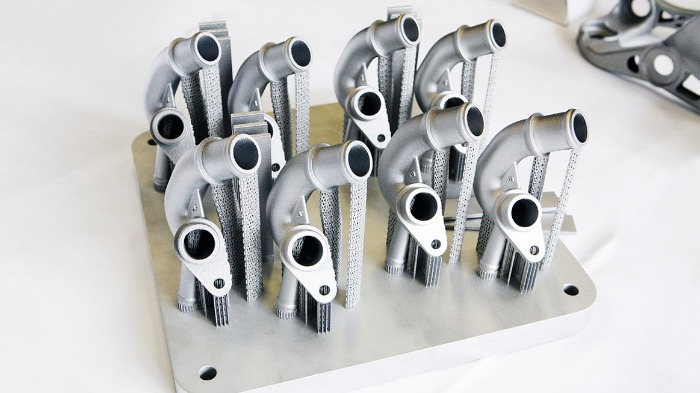
Sample metal 3D printed water connectors for the Audi W12 engine | Photo Credits: Volkswagen AG
Volkswagen, for example, has been working with 3D printing technologies for the past 25 years. And in 2020, it invested in two additional Stratasys 3D printers. Peter Bartels, head of Volkswagen’s pre-series centre commented that these investments represent “additional capabilities that strengthen 3D printing operations and allow to further optimize the design process.” Additionally, tooling (grips, jigs, and fixtures) design can also be optimized and produced at a lower cost. Tooling plays an important role on the assembly line to produce repeatable and high-quality products. These applications are what Deloitte calls the current standard AM path in automotive.
More from the desk
Six other notes from the rest of the bench.
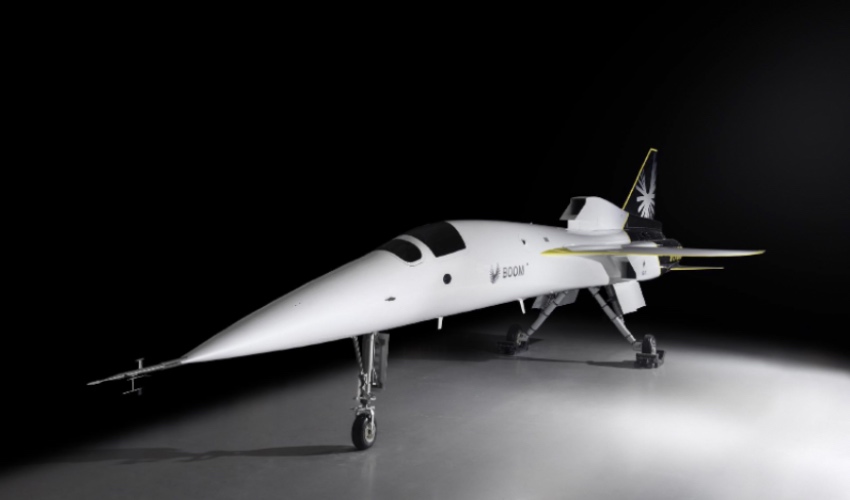 ApplicationsXB-1 Supersonic, aircraft with 21 components 3D printed by VELO3DThe US-based aerospace manufacturer, Boom Supersonic, rolls out the XB-1 aircraft model. The airplane features 21 titanium 3D printed components produced by the metal AM solution provider VELOD3D. Earlier this year, VELO3D raised $28 million for the product portfolio expansion, b
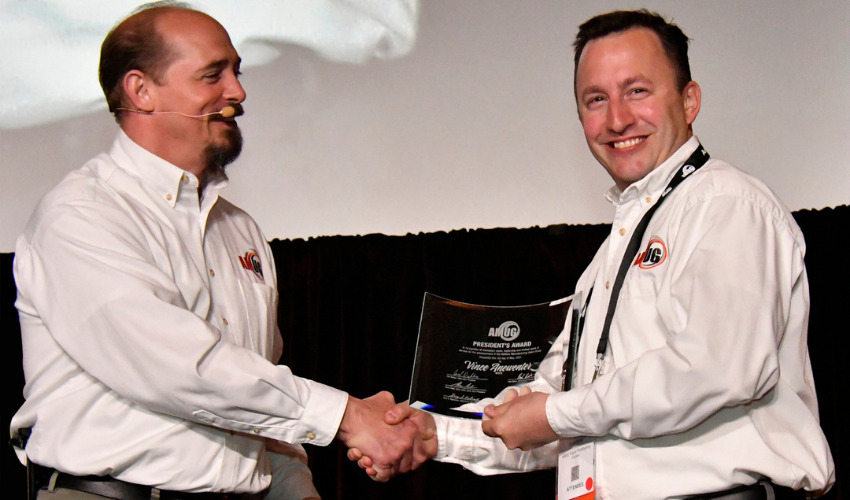 NewsAMUG Has Announced All the Winners From Its Annual AwardsAMUG 2021 might have ended a few weeks ago, but news from the event keeps coming. Namely, the Additive Manufacturing User Group has officially announced its winners for its prestigious DINO, President’s and technical awards. Though the DINO and Technical…
 NewsInfographic: The Role of 3D Printing in Sports and the OlympicsAdditive manufacturing has gained in popularity in many sectors, including the world of sports. More and more companies are experimenting with 3D printing to design more comfortable and safe equipment, or to improve athletes’ performance. Furthermore, with the upcoming 2024
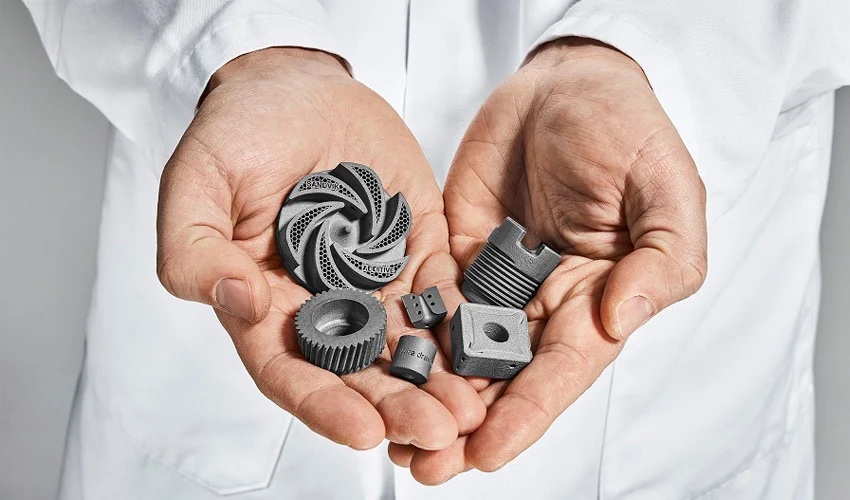 NewsSandvik Has Developed 3D Printable Cemented CarbideSwedish materials manufacturer Sandvik has been developing cemented carbide for the manufacturing industry for several years now. Recently, the company announced that it has been working on a range designed for additive manufacturing. Manufacturers can then 3D print parts that&he
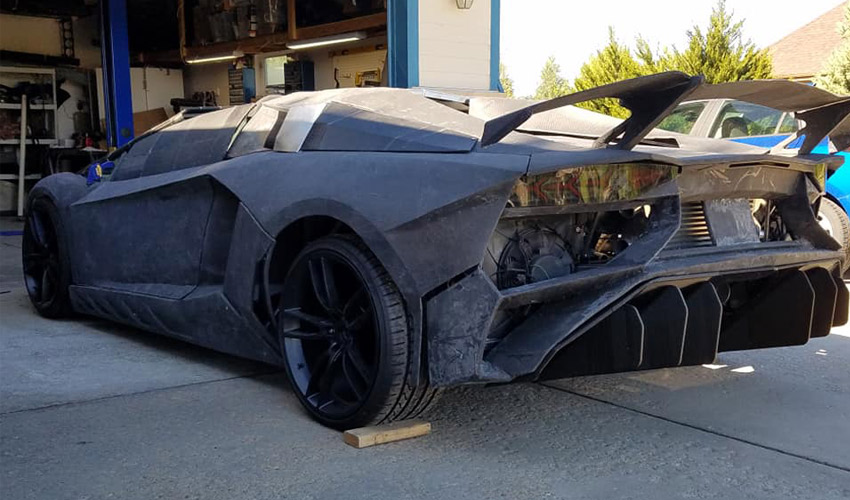 ApplicationsFather and son 3D print Lamborghini in their garageWhen a few days ago the giant automaker, BMW, presented to the world its new model of its 3D printable at home concept car, a father and a son had already started working on their very own project, making a…
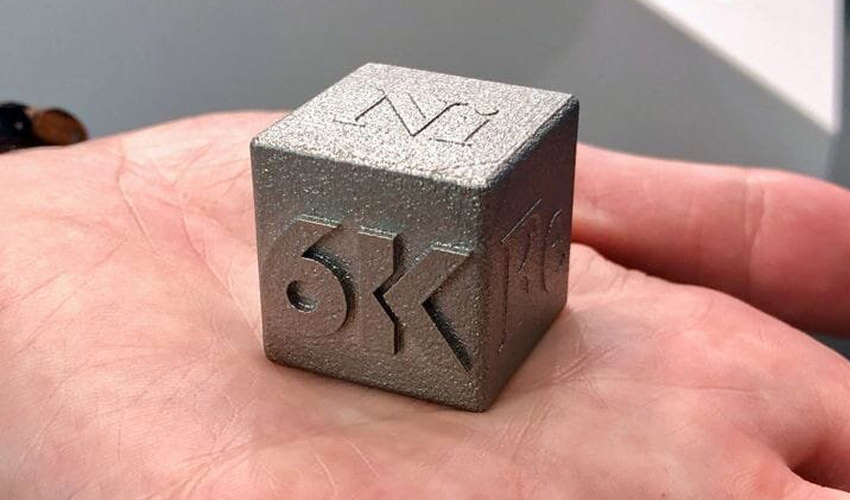 Materials#3Dstartup: 6K on creating advanced materials for additive manufacturingThe U.S. company 6K is focused on creating premium materials to advance relatively new industries such as additive manufacturing, renewable energy, and more. If we focus on additive manufacturing, the company has identified the growing demand for metals that can…