Applications
Father and son 3D print Lamborghini in their garage
When a few days ago the giant automaker, BMW, presented to the world its new model of its 3D printable at home concept car, a father and a son had already started working on their very own project, making a…
- 3 min read
- Applications
- Six more stories
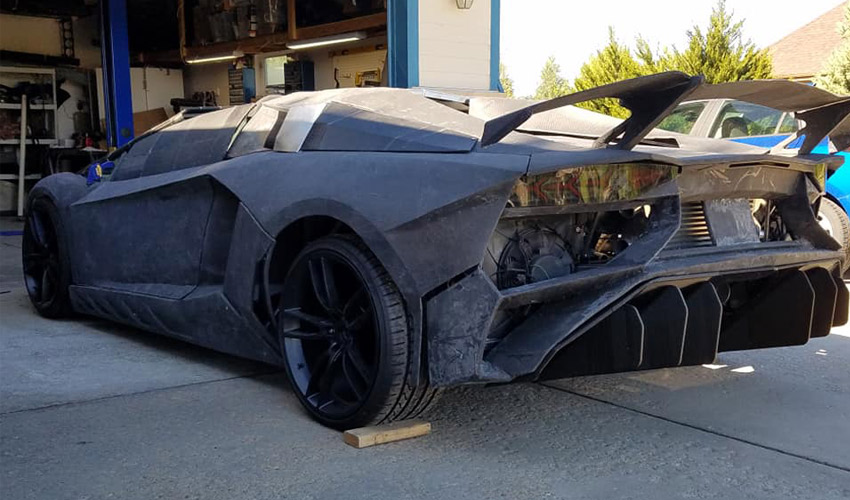
When a few days ago the giant automaker, BMW, presented to the world its new model of its 3D printable at home concept car, a father and a son had already started working on their very own project, making a full sized 3D printed Lamborghini Aventador. The duo decided to create the majority of the supercar’s parts with small office 3D printers they own, and it must be said, the results are impressive! The father, Sterling Backus, a physicist, decided to turn the ambitious idea of 3D printing a life-size car in his garage into reality to show his son what technology is capable of. This example, seems to be one of many that evolve the term of large format 3D printing.
When it comes to the relationship between cars and 3D printing, it’s important to highlight that most vehicles have a few if any 3D printed parts. As of today (July 12th 2019) the available technologies are not enough to produce a whole car model. However, that does not prevent us from saluting the initiatives taken in the industry that enable the development of car production. Thanks to additive manufacturing, many components can be optimized and therefore weigh less, thus increasing the vehicle’s capabilities whilst reducing the overall cost as fewer materials are needed. In the case of Sterling Backus, such technological developments, have allowed him to own the supercar he wished to have without spending hundreds of thousands of dollars.
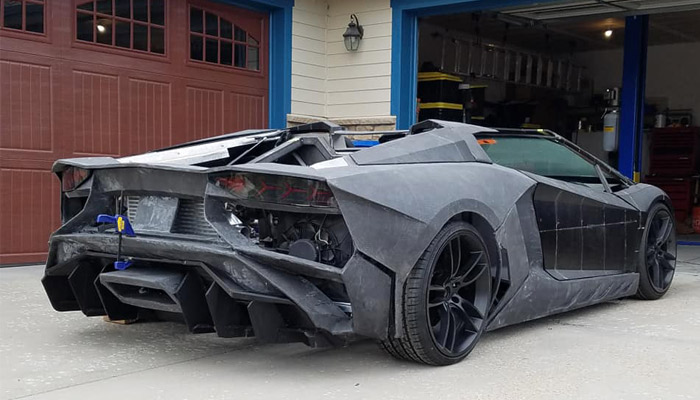
The physicist already had a rich history with 3D printing, having used several FDM printers before. For this project, the CR-10S, CR-105S and QIDI Xpro machines were used. Sterling also explains that in total, 220 spools of thermoplastic filaments were used to make the entire body. PLA was used for the body panels due to its good dimensional stability, ASA and ABS were used for rear light housings and headlights, whilst carbon fiber filled nylon was used for interior parts requiring high strength. The printing process was by no means executed perfectly from start to finish, as about 50 spools were used for several tests and failures.
More from the desk
Six other notes from the rest of the bench.
 News3D printed fibers can detect leakage in your protective maskA research group at the University of Cambridge has 3D printed electronic fibers capable of monitoring health and detecting possible leaks in the masks. How does it work? The tiny transparent conductive devices act as sensors to capture breath, sound,…
 GuidesHouston Maker Faire 2017: Our interview before the eventAhead of Houston Maker Faire 2017, we spoke to Andrew Lynch, one of the many people behind making this event happen. Houston Maker Faire runs from the 21st to the 22nd of October 2017. To find out more information about…
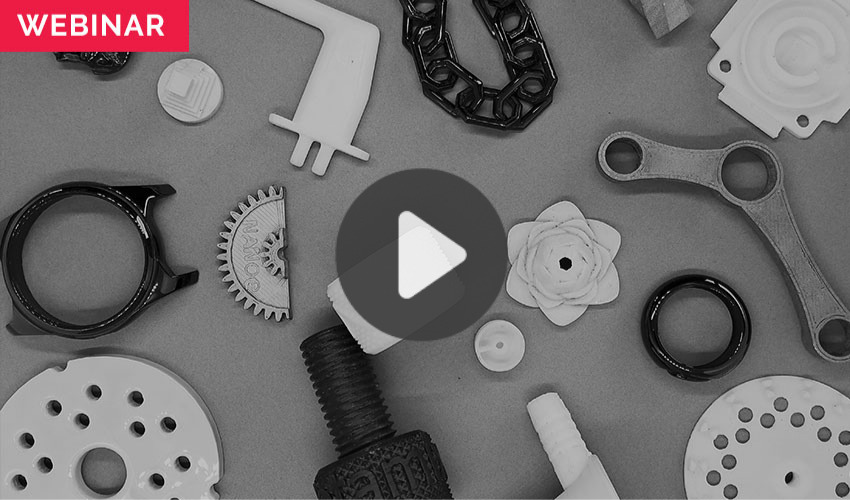 NewsTop 5 Videos: Using FDM to Print Ceramic and Metal FilamentsIn this week’s top 5, check out the latest webinar from 3Dnatives, “How Can You Use FDM to Print Ceramics and Metals?” Though ceramic and metal filaments are becoming increasingly common, especially for those using FDM for industrial purposes, there…
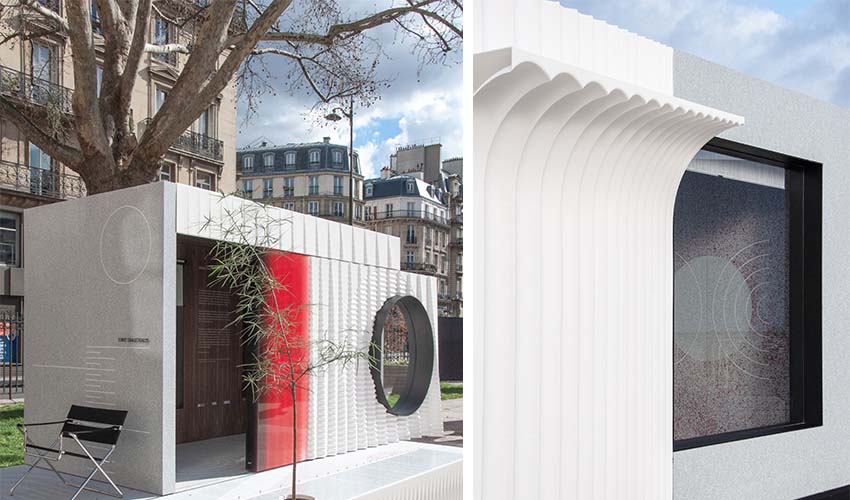 NewsTiny Bauhaus building: custom high-design architecture thanks to 3D printingAectual, the construction-tech company based in Amsterdam is a digital platform and 3D print factory that produces a variety of architectural elements. Recently, they revealed that they teamed up with DUS architects to create a novel ‘Tiny Bauhaus’ building. The…
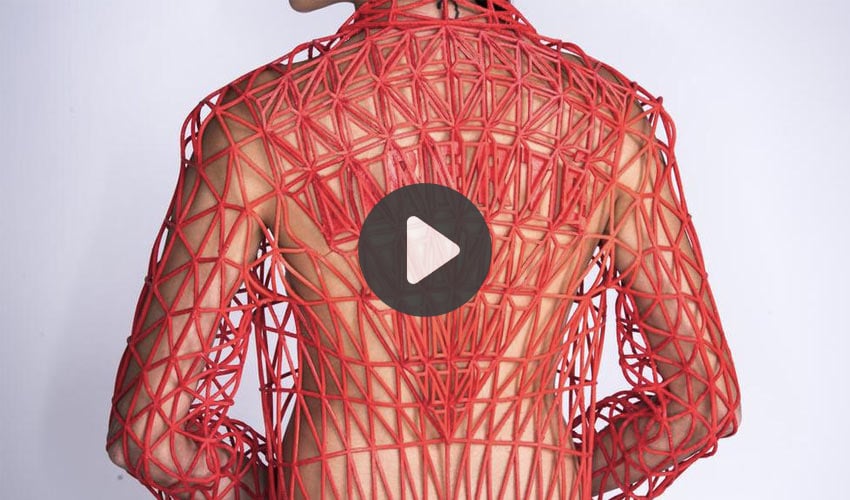 News#TOP5 videos: 3D Fashion printing, Cartilage bio-printing and much more!We found the TOP 5 videos of the week related to 3D printing and collected the additive manufacturing here. Share your videos and comment on the article below or on the 3Dnatives’ Facebook or Twitter account. Hope you’ll enjoy and…
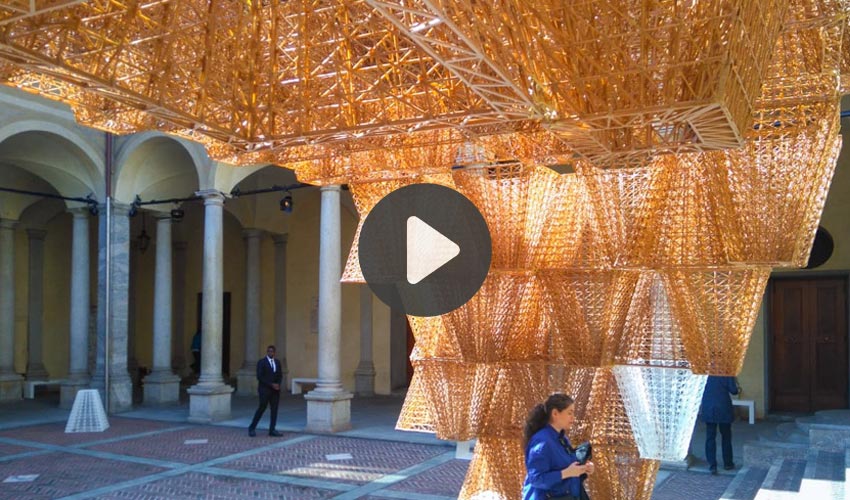 NewsTOP 5 VIDEOS: Conifera 3D printed art piece, 3D printed robot …We found the TOP 5 VIDEOS of the week about 3D printing and the way additive manufacturing is shaping and changing our society. If you enjoy these, you can view even more 3D printing videos on our Youtube channel. Hope you’ll enjoy…