Printers
Everything You Need To Know About Cold Metal Fusion
Today, the manufacturing industry is increasingly moving towards metal additive manufacturing solutions. However, these machines are often expensive for companies entering this field. Consequently, the cost of metal 3D printers can be a major barrier to market entry. Luckily, the
- 3 min read
- Printers
- Six more stories
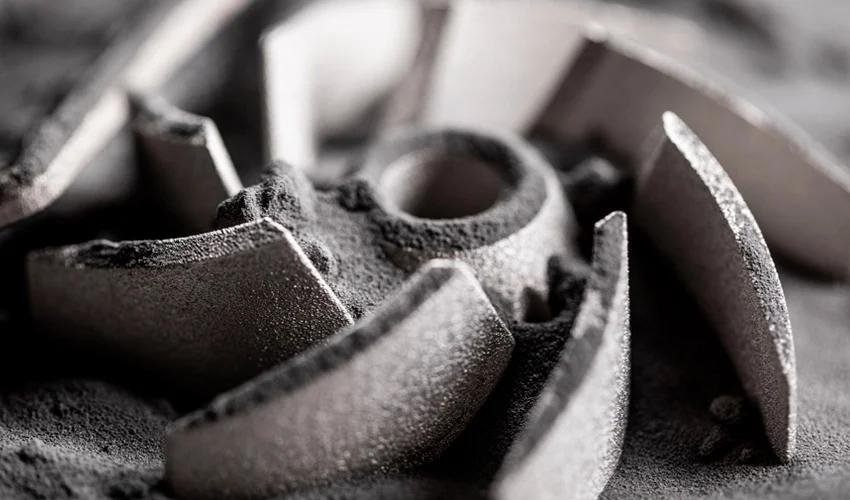
Today, the manufacturing industry is increasingly moving towards metal additive manufacturing solutions. However, these machines are often expensive for companies entering this field. Consequently, the cost of metal 3D printers can be a major barrier to market entry. Luckily, there is a promising trend emerging in the development of polymer powder-based additive manufacturing solutions, which are becoming increasingly affordable. Among these, Selective laser sintering (SLS) technology stands out as a compelling alternative for producing final polymer parts across a wide range of applications. But what if the advantages of metal 3D printing could be combined with the low-cost solutions of SLS manufacturing? This is now possible thanks to Cold Metal Fusion technology.
Developed by German company Headmade Materials, Cold Metal Fusion (CMF) 3D printing is a method of indirect metal fabrication. Specifically, the company focuses on the development of powder materials compatible with this system, with no immediate plans for manufacturing 3D printers—at least for the time being. These materials are comprised of metal particles encased within a polymer binder layer. Based on a powder bed process, the CMF system enables those with SLS machines to create final metal parts. Let’s delve deeper into the properties of this technology and explore the advancements it introduces to the additive manufacturing industry.
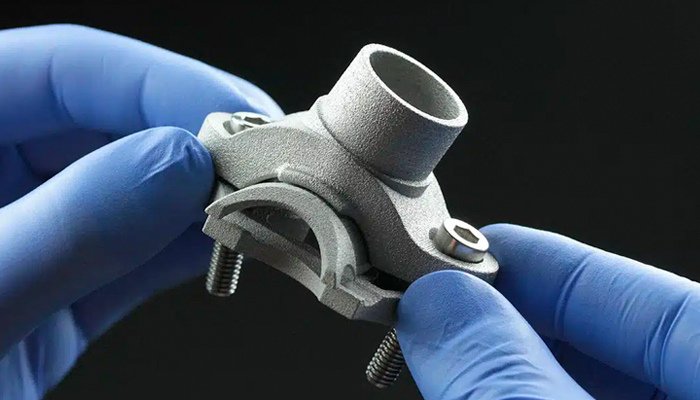
A titanium part 3D printed using Cold Metal Fusion technology.
How the Cold Metal Fusion Process Works
As with any 3D printing process, it all starts with designing the models in CAD software. An important aspect to remember when designing parts for CMF (and in general for any sintering-based process) is that parts can shrink during fabrication. In the CMF process, parts achieve a high density, minimizing the shrinkage that occurs during sintering. When utilizing metal powder as a raw material, parts may uniformly shrink in all directions (XYZ) by approximately 14%. These few millimeters of shrinkage must, therefore, be taken into account. The digital file is then sent to the slicer to segment the part and define the manufacturing parameters.
More from the desk
Six other notes from the rest of the bench.
 Applications3D Bioprinted Bionic Pancreas to Fight DiabetesA team of scientists from the “Foundation for Research and Development of Science” presented their research work in 3D bioprinting. More precisely, their research is aimed at creating a bionic pancreas to fight diabetes. The foundation, which aims to help…
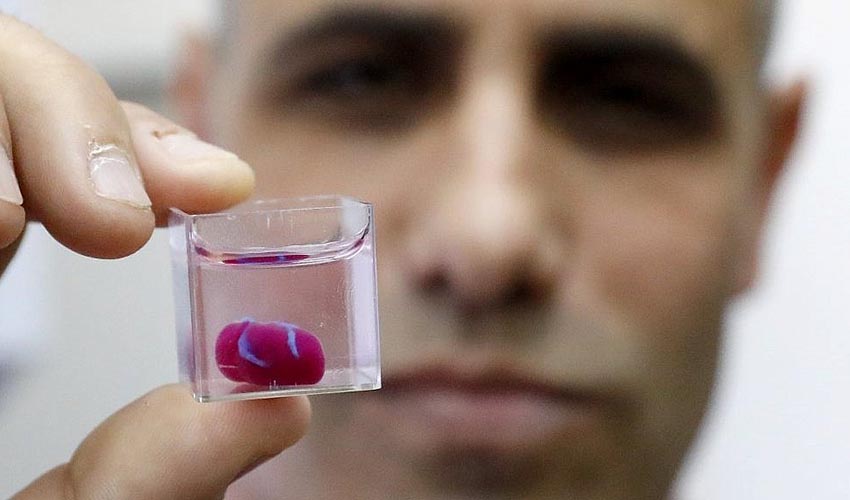 ApplicationsTesting drugs on 3D printed heart tissueThe German multinational pharmaceuticals company, Bayer, has announced that it will test new drugs on 3D printed heart tissue. Tel-Aviv University achieved a big breakthrough last year when it unveiled the world’s first 3D printed heart and vessels, and it…
 News14Trees Announces the Construction of 10 Kenyan 3D Printed Houses in 10 weeksIn the world today, many countries have entered a sustainable phase of aging. This means that life expectancy is increasing year after year, and the elderly population continues to grow. In contrast, some regions are experiencing a population explosion. This…
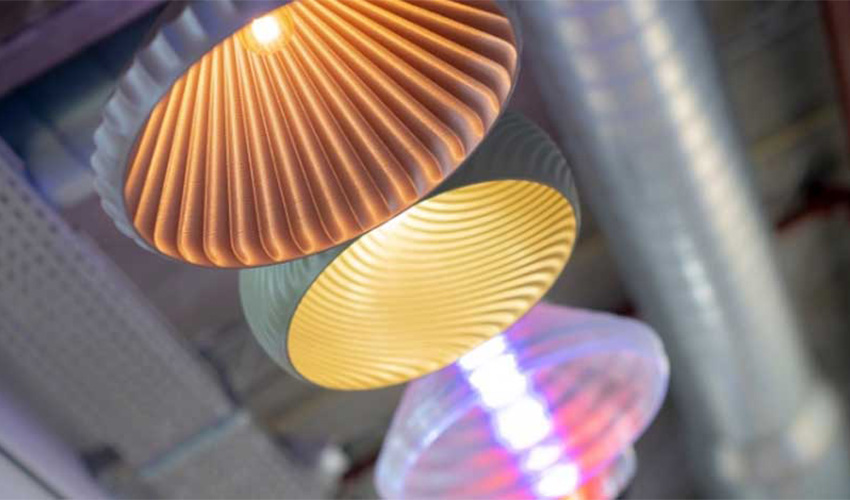 NewsIndian Manufacturer, Signify, Makes 3D Printed Luminaries to Reduce its Carbon FootprintKnown for its use in the automotive, aerospace and architectural sectors, 3D printing is now present in many fields. And the interior design sector is no exception. To decorate our homes and obtain functional objects, additive manufacturing offers several advantages.…
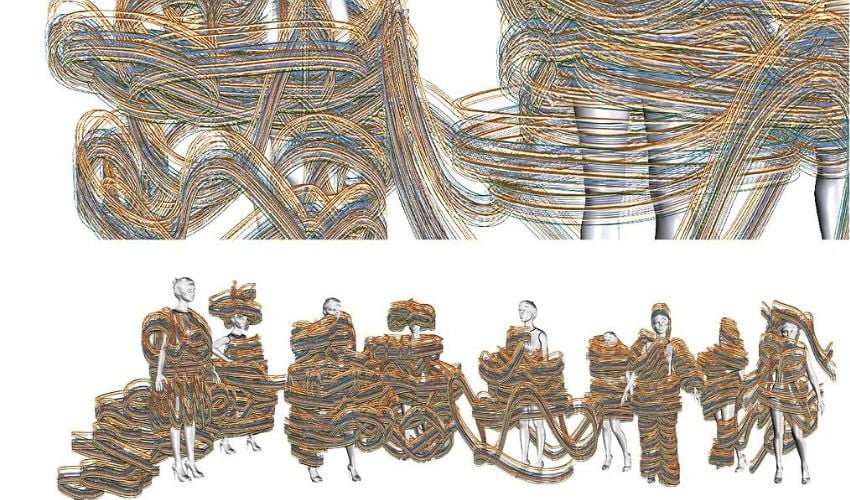 NewsLilach Porges Combines Roller Coasters, 3D Printing and Female Empowerment in Her Fashion CollectionThe fashion industry is considered one of the biggest environmental polluters, putting it at the center of the sustainability debate. While large fashion companies are changing course in some of their production methods, suppliers of cheap fashion are striving to…
 NewsTRUMPF develops a new metal coating systemTRUMPF is defined by two keywords with their latest development: “faster” and “efficient”, after unveiling their new EHLA laser-metal coating system. This new system, which was developed by Fraunhofer Institute in Aachen, Germany, is 100 times faster than