Applications
Harvard researchers develop new technique to create human organs
At Harvard, a group of researchers are developing a solution that will bioprint blood vessels on living tissues. Their paper ‘Biomanufacturing of organ-specific tissues with high cellular density and embedded vascular channels’ published in Science Advances, highlights a new tech
- 3 min read
- Applications
- Six more stories
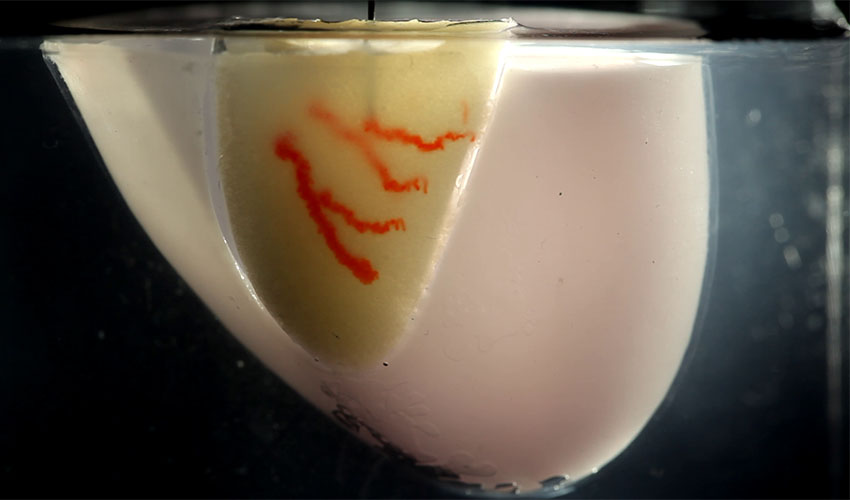
At Harvard, a group of researchers are developing a solution that will bioprint blood vessels on living tissues. Their paper ‘Biomanufacturing of organ-specific tissues with high cellular density and embedded vascular channels’ published in Science Advances, highlights a new technique called SWIFT (Sacrificial Writing Into Functional Tissue). Their solution could enable the creation of larger organs that could deliver oxygen effectively.
Scientists around the world have been working on growing organs for many years. One issue is that lab-grown organs are often too small for human use and are not sophisticated enough to deliver oxygen to our bodies. Things are changing, not too long ago a team of researchers 3D printed a small human heart in Israel, showcasing the enormous potential of bioprinting technologies for this field. It’s true that bioprinting is very promising for the creation of human organs, but it has to be said that we are still at the beginning stages of this pursuit.
Today, it’s 20 people that die everyday waiting for an organ transplant in the United States, and while more than 30,000 transplants are performed annually, there are over 113,000 patients currently on organ waitlists.
More from the desk
Six other notes from the rest of the bench.
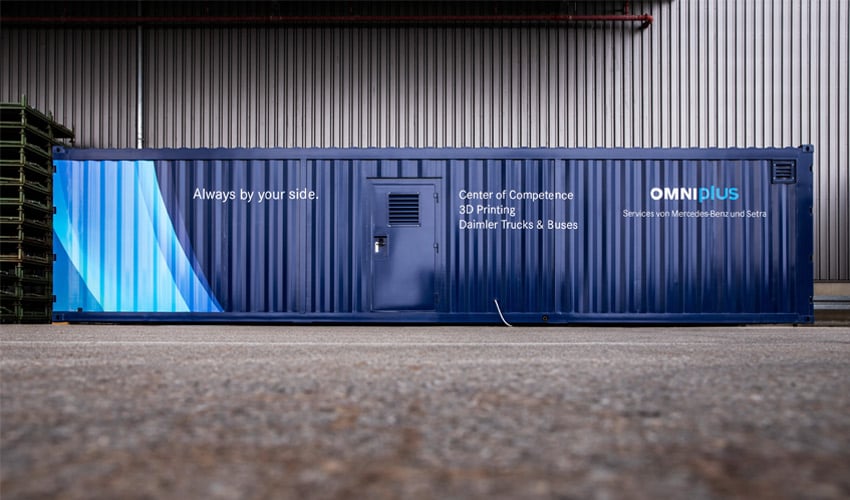 ApplicationsDaimler Buses Develops Mobile 3D Printing Center in a ContainerThe German car manufacturer Daimler, or more precisely its subsidiary Daimler Buses, has developed a pilot project focusing on 3D printing spare parts. With its service brand Omniplus, the company has designed a mobile container measuring 36 square meters (387.501…
 News3DBGPRINT Is Looking to Go Even Further for 3D Printing in BulgariaWhen it comes to adoption of additive manufacturing, it goes without saying that 3D printing service providers are truly the unsung heroes of our industry. Service bureaus are exceptional because in additional to often selling AM solutions, they are also…
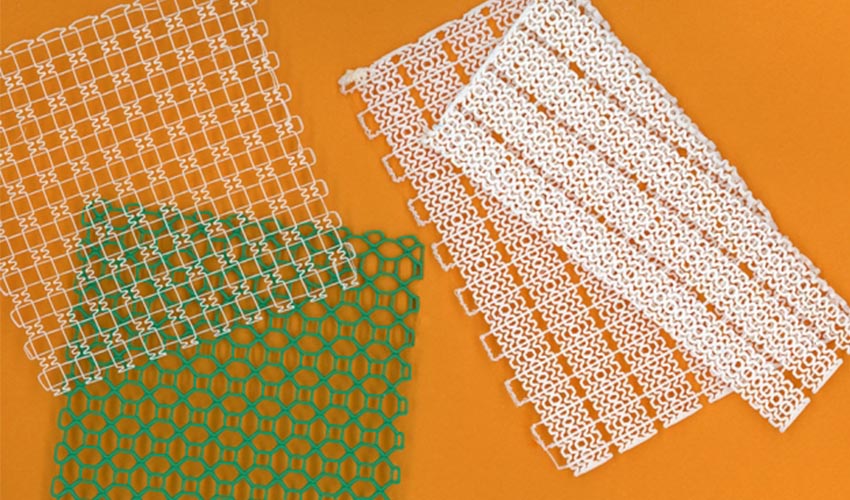 MaterialsEngineers at MIT develop 3D printed mesh for ankle and knee bracesIn our last ranking about 3D printed orthoses, we shared with you some of the projects and products being enhanced by 3D printing technologies. The ability to customise these medical devices in order to offer a personalised solution for each…
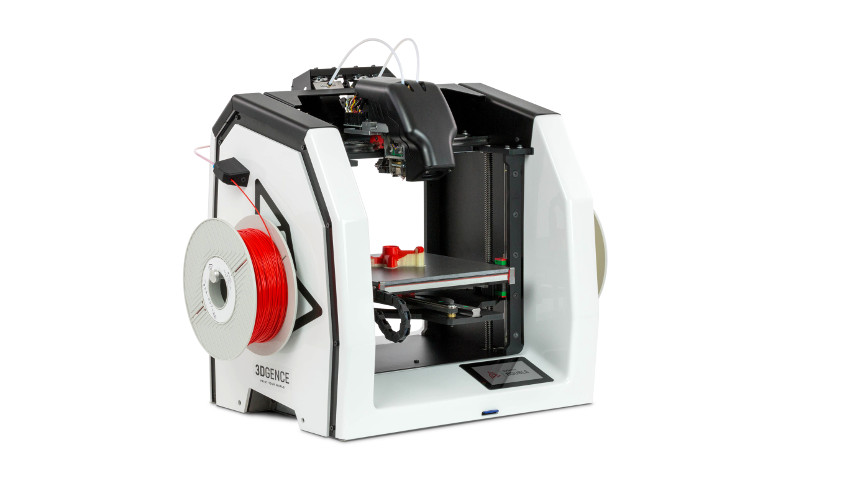 Printers3DGence Unveil New Dual Extruder 3D Printer3DGence are a Polish company dedicated to creating high-quality professional 3D printers. Since their inception in 2014, 3DGence has expanded rapidly and now sells three different 3D printers across Europe. Their INDUSTRY 3D printer was very impressive, earning itself a…
 GuidesVital3D Talks Shaping the Future of Medicine With Organ BioprintingThe use of 3D bioprinting in regenerative medicine continues to grow. More and more companies are developing their own additive manufacturing solutions to create organs and tissues tailored to the needs of individual patients. With this in mind, biotech company…
 NewsResearchers Create a Superior Titanium Alloy Using Laser Powder Bed FusionScientists from the City University of Hong Kong (CityU) have made a breakthrough in the design of a titanium alloy. Thanks to additive manufacturing (AM), they were able to successfully create an alloy with superior mechanical qualities. The project arose…