Guides
Startup of the month: Desktop Metal, the reinventors of metal 3D printing
Additive metal production is becoming an increasingly sought after tool by market players who are confident in its ability to reduce production costs while simultaneously increasing quality. As 3D printer manufacturers continue to develop cheaper, more professional solutions (suc
- 3 min read
- Guides
- Six more stories
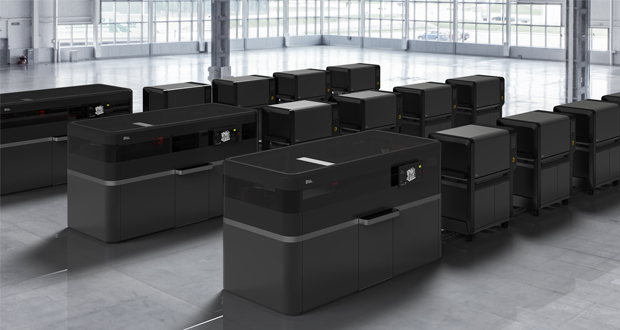
Additive metal production is becoming an increasingly sought after tool by market players who are confident in its ability to reduce production costs while simultaneously increasing quality. As 3D printer manufacturers continue to develop cheaper, more professional solutions (such as Xact Metal or Markforged), there are other players who are confident that they can provide better solutions to make 3D metal printing even more cost efficient. One person who believes they can accomplish this is American startup Desktop Metal, an up-and-comer in the 3D metal printing scene. Founded in October of 2015, this young startup has one objective in mind: provide low-cost metal 3D printing solutions that allow for rapid, yet high-quality metal parts. Speaking with CTO and co-founder Jonah Myerberg, we learned a little bit more about Desktop Metal’s ambitions and their vision for the future of 3D printing.
3DN: Can you introduce us to Desktop Metal and tell us a little bit about how Desktop Metal came to be?
The advent of metal 3D printing, also known as additive manufacturing, has promised to dramatically change the way products are manufactured. Yet, today’s metal 3D printing options have failed to deliver on that promise. Current methods are too expensive and industrial for prototyping and are not fast enough or cost-effective enough for mass production. Fundamentally, different approaches are needed to move metal 3D printing beyond its current limits and address both design and manufacturing.

Jonah Myerberg, CTO and co-founder of Desktop Metal
The mission for Desktop Metal was started with a challenge – how might metal 3D printing become accessible for engineering teams. In 2013, our CEO Ric Fulop began collaborating with world-leading experts in materials science, engineering, and 3D printing. Driven by invention, they sought to further the company’s quest to accelerate the adoption of metal 3D printing in manufacturing through the creation of innovative technology that produces complex parts at scale.
More from the desk
Six other notes from the rest of the bench.
 GuidesHow Harvard Professors are Restoring HistoryDuring the writing of our recent feature story on the use of 3D technology in restoring history we spoke to staff at the Harvard Semitic Museum. We received such a large amount of great information about the museum that we…
 NewsWhat is the Forecast of Additive Manufacturing by 2022?Arizton – Advisory and Intelligence is an American consulting firm that recently published a study on the global outlook and forecasts for additive manufacturing. Following the recent Gartner Report, the report provides a global view of the market in terms…
 NewsBoeing 777X’s first flight with more than 300 3D printed partsThe Boeing 777X successfully completed its first long-haul flight last Saturday, placing it among the largest twin-engine aircraft on the market. What’s particularly exciting about this new aircraft from the U.S. giant is that its two GE9X engines incorporate more…
 NewsMIT researchers create 3D printed soft brain implantsAt MIT, a team of researchers is currently working on 3D printing neural implants as soft and flexible as rubber. Traditionally, brain implants are made of metal – this new method would allow for the brain implant to better adapt…
 ApplicationsCOVID-19: scaling up production of 3D printed medical equipmentVentilators are pieces of equipment that are designed to breathe for somebody that isn’t able to breathe on their own. Modern ventilators consist of a pump machine and a tube that healthcare professionals slide into the patient’s windpipe to control…
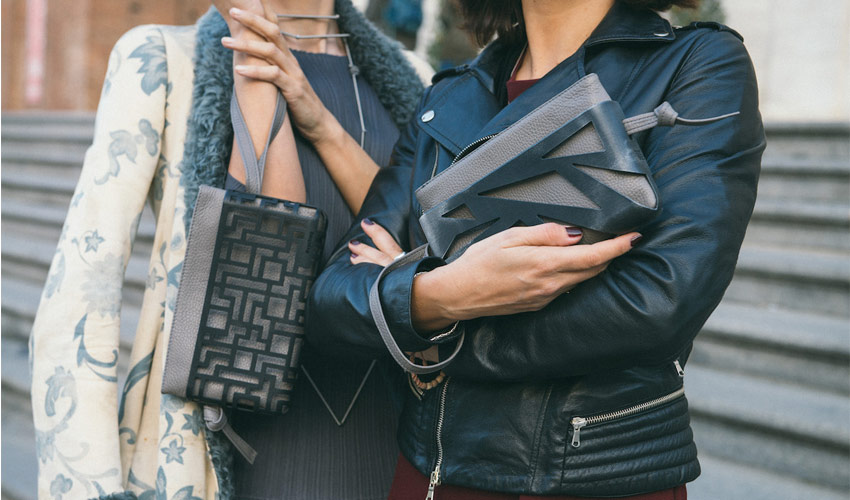 NewsXYZBAG, 3D printed personalised handbagsXYZBAG is an Italian brand based in Turin that has chosen digital craftsmanship: it combines traditional design methods and additive manufacturing technologies to produce unique bags. Customisation is undoubtedly one of the reasons why more and more designers are turning…