Software
The key to scaling up a 3D printing service: syncing engineering, sales and clients
In 2017, MakerOS, based between New York City and Detroit, launched its version 1.0 collaboration platform for digital fabrication companies. At the time, Mike Moceri, the startup’s founder, had realized from first-hand experience that dealing with multiple clients while managing
- 3 min read
- Software
- Six more stories

In 2017, MakerOS, based between New York City and Detroit, launched its version 1.0 collaboration platform for digital fabrication companies. At the time, Mike Moceri, the startup’s founder, had realized from first-hand experience that dealing with multiple clients while managing the workflow of projects presented many efficiency challenges. Yet, no solution to meet these challenges existed on the market. As a result, he decided to develop a software that would allow fabrication and engineering service providers to centralize all their activities (communication, project submission, invoicing, etc.) in a unique centralised online portal. This central online portal is MakerOS. In September 2020, the startup announced the release of version 2.0 of their software platform. So, what is the value of syncing sales, engineering and clients when running a fabrication or engineering service? What benefits can you expect?
Increasing collaboration facilitates scaling up?
Almost all fabrication and engineering services have a process in place to receive new projects and a process to produce those projects. In the sales pipeline, a company will have a visual snapshot of where prospects are, showing the sales team how many deals they can expect to close in a given time period. These deals represent projects that need to be assigned to production. However, sales pipelines and production workflows are rarely synced, and a company might use two different software to keep track.
Therefore, if the sales team is looking for project updates, they will most likely need to ask someone from the engineering team directly or vice versa, which you can imagine, is not ideal. Additionally, pricing is tricky when these two teams are not working closely together, and mispricing becomes a common mistake in fabrication and engineering services, which can lead to losses in profit.
More from the desk
Six other notes from the rest of the bench.
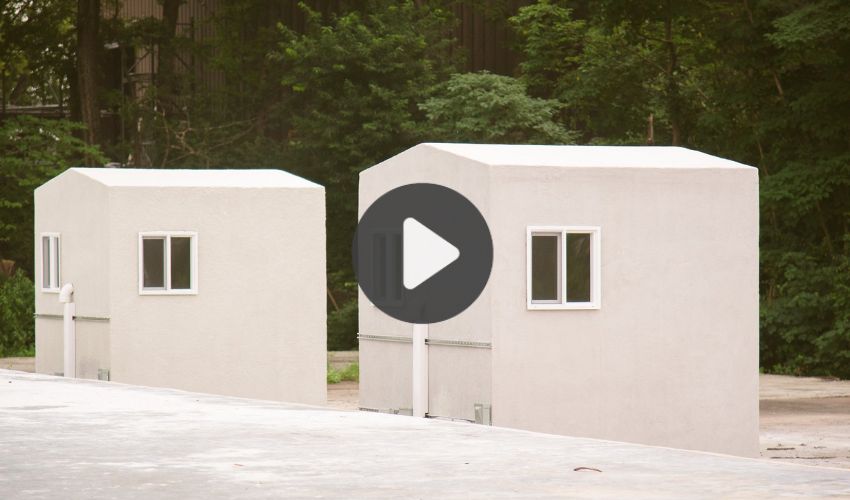 NewsTop 5 Videos: 3D Printed Houses Shelter the HomelessSunday has arrived, and with it comes a fresh batch of the top five videos in additive manufacturing. Get ready for various colorful highlights, including insights into how additive manufacturing provides homes for the homeless, a 3D printed wallet to…
 NewsChanel creates brush using 3D Printing !Chanel, one of leading luxury brands in the world has entered into 3D printing. In recent times 3D printing has been enabling fashion houses and individual designers to print their jewelry and other fashion related items through 3D printing technologies.…
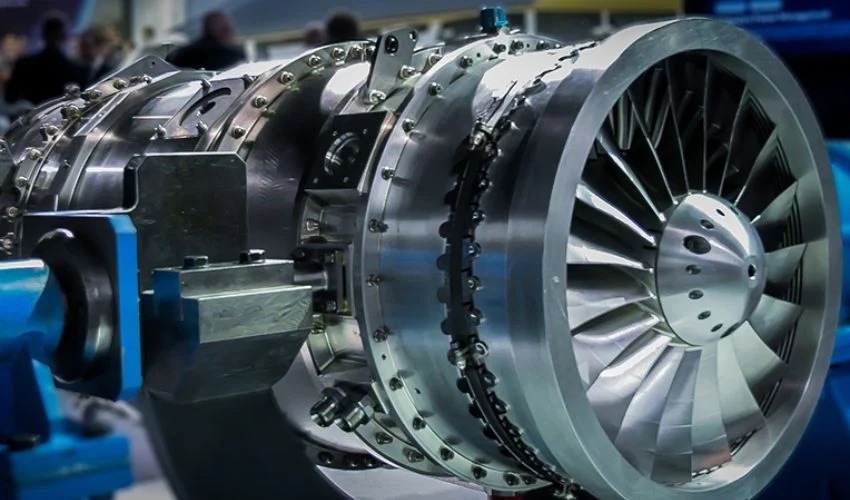 ApplicationsRAF Aircraft Recycled as Metal Powders to 3D Print New Aeronautical PartsThe Royal Air Force (RAF) has just revealed an interesting partnership with Rolls-Royce, involving the use of additive manufacturing. Together, they are taking in the Tornado 2 Tempest program, which involves recycling spare parts from obsolete fighter aircraft and transforming&h
 NewsMass Production of 3D-Printed Houses Begins in JapanReducing construction time and costs is the goal of the Japanese company Lib Work, based in Kumamoto Prefecture. 3D printing in construction is no longer a futuristic concept; it has become a fundamental part of the industry. From office buildings…
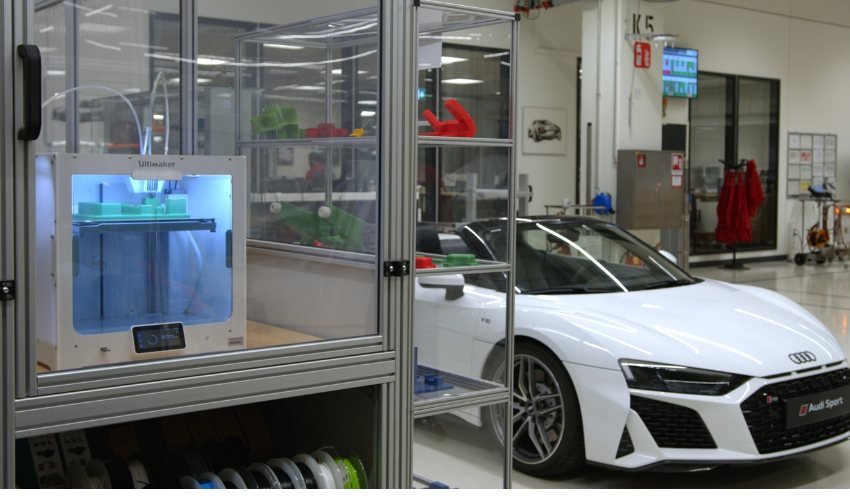 ApplicationsAudi Sport Enhances Production and Tooling with 3D PrintingFollowing the emerging trend of increased use of 3D printing in the automotive sector, Audi Sport‘s Böllinger Höfe facility in Germany, renowned for developing high-performance vehicles like the Audi R8 and the fully electric E-Tron GT, recently adopted the technology&helli
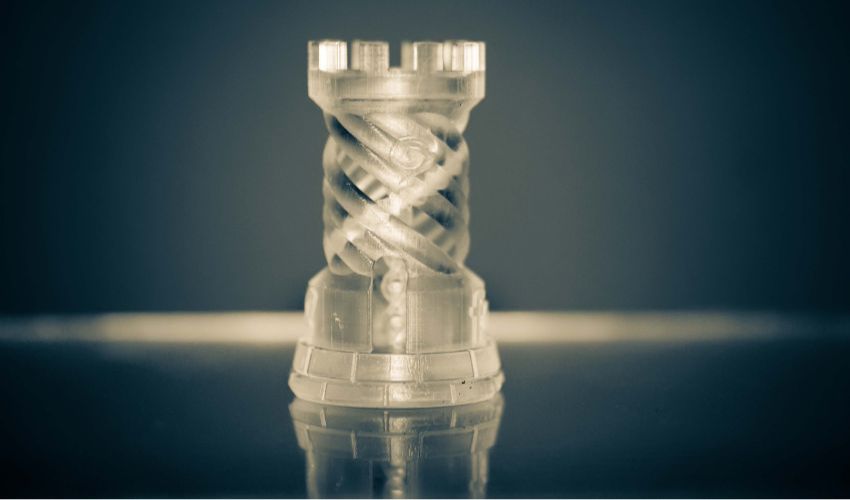 MaterialsEverything You Need to Know about Transparent 3D PrintingSometimes, you may want a part to be transparent for aesthetic reasons, and other times, transparency is a functional necessity. In either case, 3D printing’s flexibility in terms of design, materials and processes makes it possible to create parts with…