Applications
RAF Aircraft Recycled as Metal Powders to 3D Print New Aeronautical Parts
The Royal Air Force (RAF) has just revealed an interesting partnership with Rolls-Royce, involving the use of additive manufacturing. Together, they are taking in the Tornado 2 Tempest program, which involves recycling spare parts from obsolete fighter aircraft and transforming&h
- 3 min read
- Applications
- Six more stories
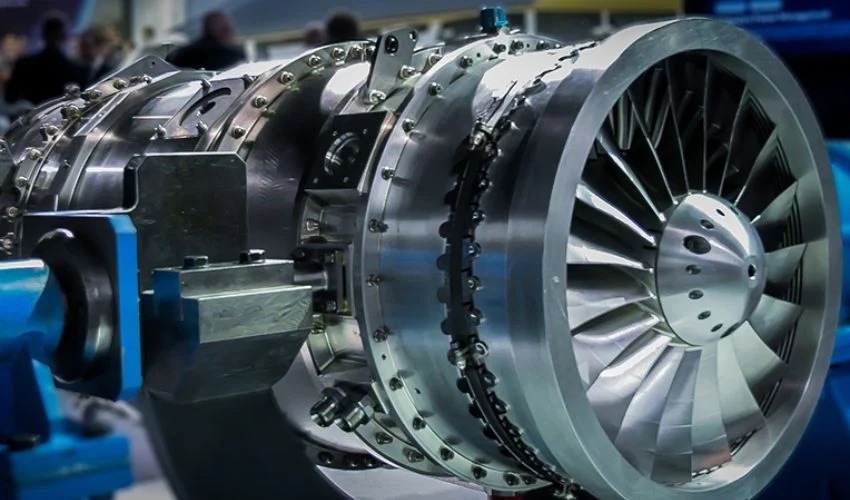
The Royal Air Force (RAF) has just revealed an interesting partnership with Rolls-Royce, involving the use of additive manufacturing. Together, they are taking in the Tornado 2 Tempest program, which involves recycling spare parts from obsolete fighter aircraft and transforming them into 3D printable powders. After a cleaning and atomization process, the powder can then be used to design components for the new Orpheus engine, part of the Future Combat Air System (FCAS) program. The recycled parts were chosen for their titanium content, a metal particularly sought-after in the aerospace sector for its lightness, strength, low toxicity and high resistance to corrosion.
Many industries are looking to reduce not only their ecological footprint, but also their dependence on complex supply chains. Additive manufacturing could be the perfect tool to alleviate some of these challenges, since it enables local, on-demand production while reducing the amount of waste produced. What’s more, the technology can also reduce the weight of imagined parts, while increasing their strength and lowering the final cost. On paper, then, it looks like the perfect technique for creating tomorrow’s aircraft. In practice, it’s more complex, but developments are promising.
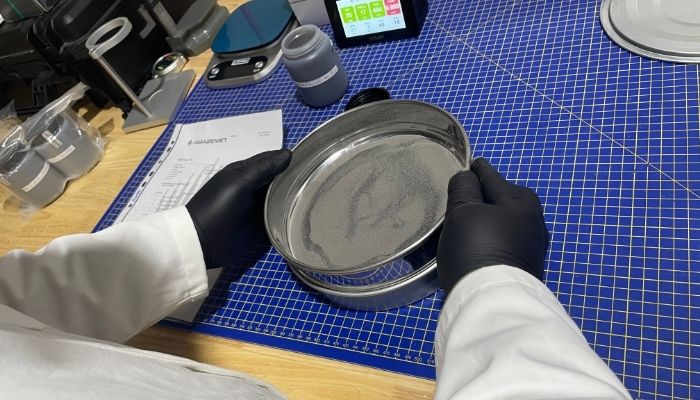
Some components of Tornado fighter jets are atomized into metal powders suitable for additive manufacturing.
Rolls-Royce Uses Additive Manufacturing to Design Orpheus
Rolls-Royce has been working on its Orpheus range for some time now: these are small, relatively affordable turbofan engines for the defense market. Above all, this project has enabled the company to introduce new working practices and test other production methods, such as additive manufacturing. Tests already carried out by the British company have been carried out on engines including 3D-printed parts. The ultimate aim is to be able to design all major components using additive manufacturing.
More from the desk
Six other notes from the rest of the bench.
 MaterialsMetallum3D: providing wider access to metal 3D printing services and materialsRecently, the Centre for Innovative Technology (CIT) announced that CIT GAP Funds has invested in the company Metallum3D based in Charlottesville, Virginia. The startup is an online metal 3D printing platform that provides accessible and affordable metal 3D printing materials&hel
 MaterialsWe Interviewed Dinara Kasko: 3D Printing Instagram Food SensationDinara Kasko is an internet sensation. With over 530,000 followers on Instagram drooling over her 3D printed treats, she has taken the internet by storm. However, her models aren’t created out of plastics or metal. She uses 3D printing technology…
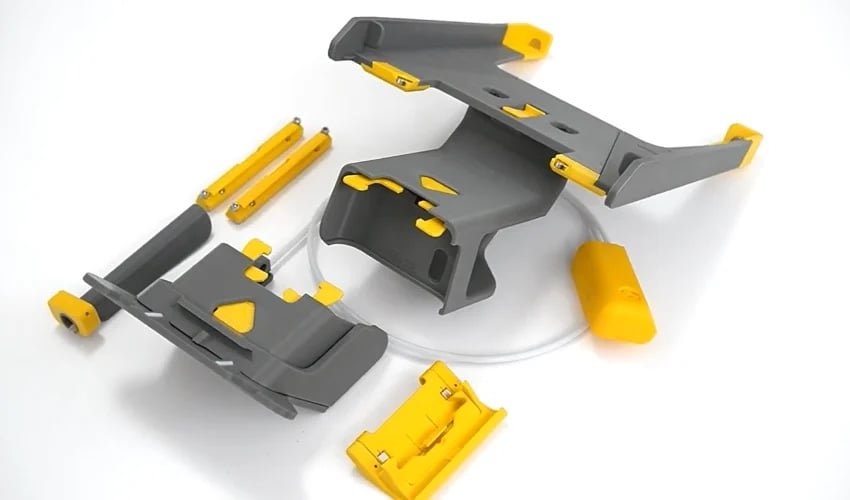 PrintersAnother Successful Kickstarter Campaign: The Swapmod Kit for Bambu Lab’s A1 Mini 3D PrinterThe Kickstarter campaign for Swapmod, an automation kit for the Bambu Lab A1 Mini 3D printer, has come to a successful close, raising $51,785 from 661 backers, well above its initial $5,391 goal. The aim of this ambitious project is…
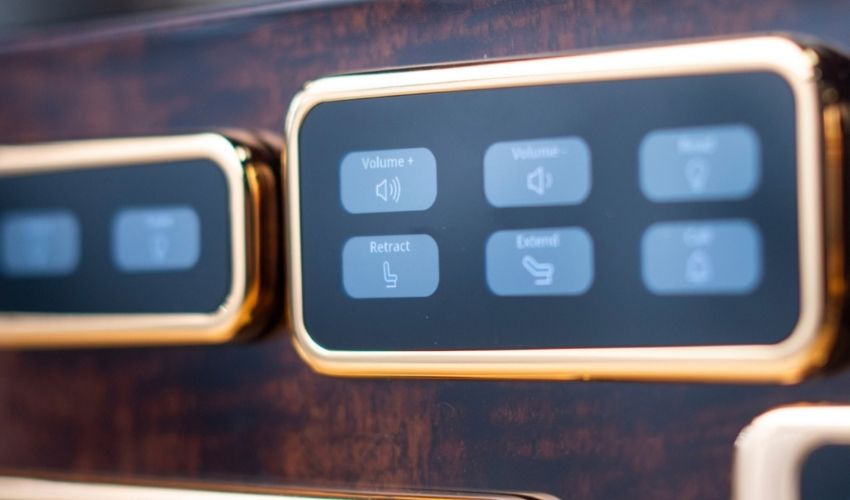 PrintersMarkforged 3D Printers Creating Luxury Aircraft Parts For Cabin Management SolutionsTexas-based aviation company Cabin Management Solutions (CMS) has enlisted The Digital Forge—an industrial platform of 3D printers, software, and materials from Markforged that enables manufacturers to print parts at the point-of-need. Founded in 2019, CMS works with aircraft mai
 NewsTop 5 Videos: First Full-Size 3D Print of a Human HeartThis week we found the top 5 videos about 3D printing and the way additive manufacturing is changing production. The technology has infiltrated many sectors, from medical to automotive: check our selection of the week to keep up with the innovations! If you enjoy these, you&helli
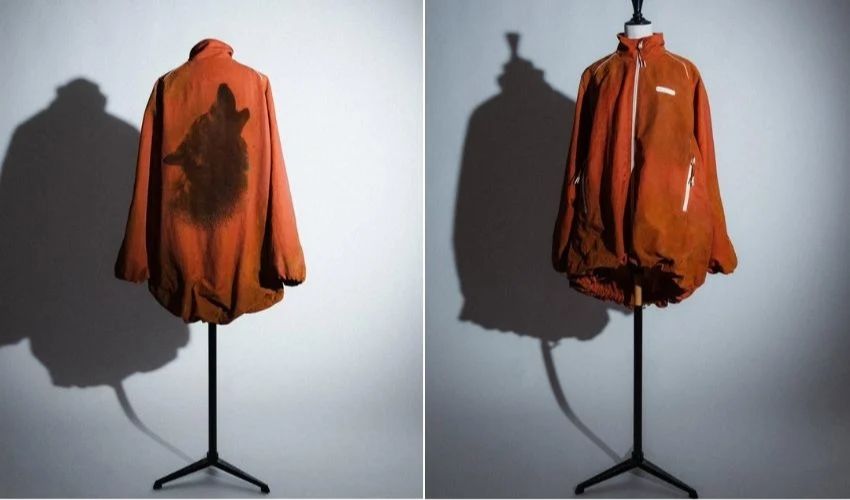 NewsNovak Djokovic’s Jacket at The French Open: A 3D-Printed Wolf and Real ClayThe 2026 Roland-Garros Tournament kicked off last week, and we can’t pass up the chance to highlight Novak Djokovic’s entrance. The Serbian player arrived wearing a jacket featuring a 3D-printed wolf and real clay from the legendary Parisian court. The…