Applications
Satair produces the first certified 3D printed metal flying spare part for Airbus
Satair, an Airbus services company, recently provided one of its airline customers with one of, if not the first, certified 3D printed metal flying spare part in the world. The part is actually a wingtip fence for an A320ceo aircraft…
- 3 min read
- Applications
- Six more stories
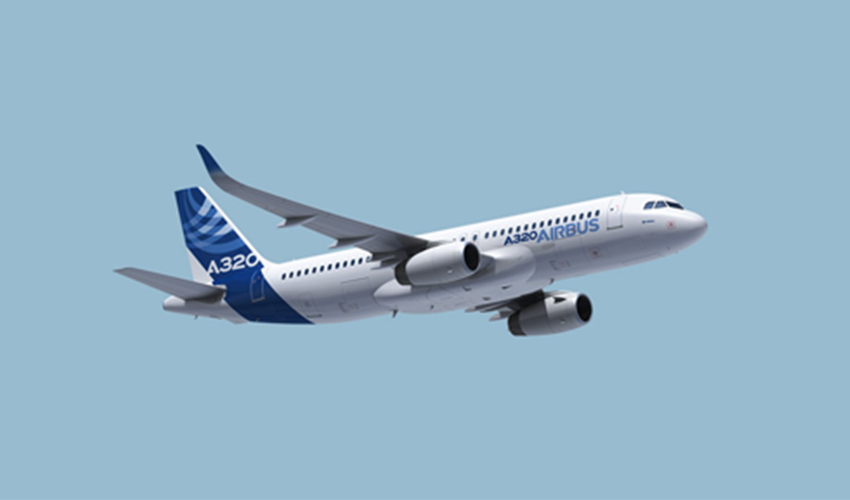
Satair, an Airbus services company, recently provided one of its airline customers with one of, if not the first, certified 3D printed metal flying spare part in the world. The part is actually a wingtip fence for an A320ceo aircraft that was no longer procurable from the original supplier. By using metal additive manufacturing to replace it, the company was able to reduce the likelihood of the aircraft being grounded. On a larger level, this operation showcases the increased flexibility in part production thanks to 3D printing technologies, all the while meeting the same high-quality standards ensured by the EASA Form1 certification. They estimate that costs were reduced by 45% making it a cheaper solution for customers and with a shorter lead-time.
For some context, the services company is a standalone Airbus subsidiary and part of the Airbus Services unit. Satair operates in 10 locations worldwide and employs over 1,300 employees to support the lifecycle of Airbus aircraft with a full and integrated portfolio of flexible, value-adding material management products, services and tailored support modules. Before jumping to 3D printing, the company studied various alternatives, including conventional manufacturing methods.
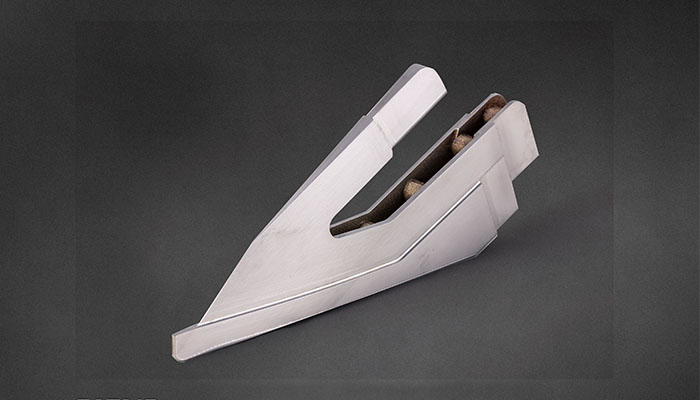
The first certified metal printed flying spare part for A320ceo by Satair | Image via Airbus.
So why select additive manufacturing?
The part in question – an A320ceo wingtip fence – exists in four versions: starboard, port, upper and lower. In this case, the parts supplier could not provide the cast part anymore, leading to a natural loss of the moulds used to create these parts and resulting in a potentially high investment cost for Satair to replace the moulds for individual orders. After studying other conventional options such as re-designing the part for machining technology, the resulting cost and lead-time implications were not competitive. One of the benefits of additive manufacturing of course is the flexibility and increased freedom when it comes to manufacturing unique parts, with no need to invest in an expensive mould.
More from the desk
Six other notes from the rest of the bench.
 SoftwareAn Argument for 3D Printing 2D Art: HueForge’s Unique Capabilites3D printers can create incredible works of art on large and small scales, especially pieces that are, of course, three-dimensional. But what about creating art through a 3D printer that’s flat—almost two-dimensional? This can be beautifully executed with the software…
 NewsTop 5 Videos: NASCAR and 3D Printing at the 24 Hours of Le MansFor this week’s top 5 videos, we’re taking you to one of the world’s most famous automotive events, the 24 Hours of Le Mans. We had the opportunity to interview Hendrick Motorsports to learn about their use of 3D printing…
 SoftwareRiven Launches New Re-Scaling Tool to Prevent Shrinkage and WarpingBerkeley-based American company, Riven is launching a brand new re-scaling tool in order to reduce the effects of shrinking or warping incurred during the printing process on all 3D printed parts and allow users to print parts more accurately. The…
 PrintersBambu Lab Unveils Helio Additive Integration and H2D Pro PrinterAugust has been a busy month for Bambu Lab, marked by a series of significant updates. A few weeks ago, the desktop 3D printer manufacturer introduced a crowdfunding feature on its 3D model platform, MakerWorld. Now, the company has unveiled…
 NewsPorsche Present 40% Lighter 3D Printed Electric Drive HousingThe car manufacturer Porsche has just unveiled its first complete housing for an electric engine thanks to additive metal manufacturing, or more precisely, thanks to SLM Solutions’ new machine, the NXG XII 600. Still in the prototype stage, the part…
 News3D Printed Sawdust Formwork Could Cut Construction WasteAs 3D printing continues to evolve, so too have the efforts to use the technology to build in an environmentally friendly way. Concepts like upcycling, using natural materials and even using wood as a 3D printable material have already been…