Software
An Argument for 3D Printing 2D Art: HueForge’s Unique Capabilites
3D printers can create incredible works of art on large and small scales, especially pieces that are, of course, three-dimensional. But what about creating art through a 3D printer that’s flat—almost two-dimensional? This can be beautifully executed with the software…
- 3 min read
- Software
- Six more stories
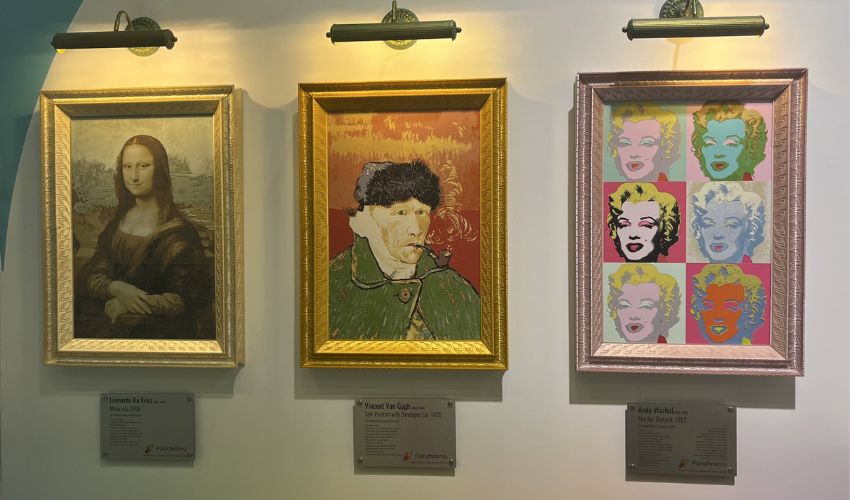
3D printers can create incredible works of art on large and small scales, especially pieces that are, of course, three-dimensional. But what about creating art through a 3D printer that’s flat—almost two-dimensional? This can be beautifully executed with the software HueForge.
The concept may seem counterintuitive, but the difference is in the crisp, tactile quality a 3D printer can bring to a piece. The colors pop uniquely, and because the works are multi-layered, they also have a texture that increases their character. Not to mention, by 3D printing art a user can take advantage of the transparent quality of certain plastic filaments to add visual depth and nuance to their art.
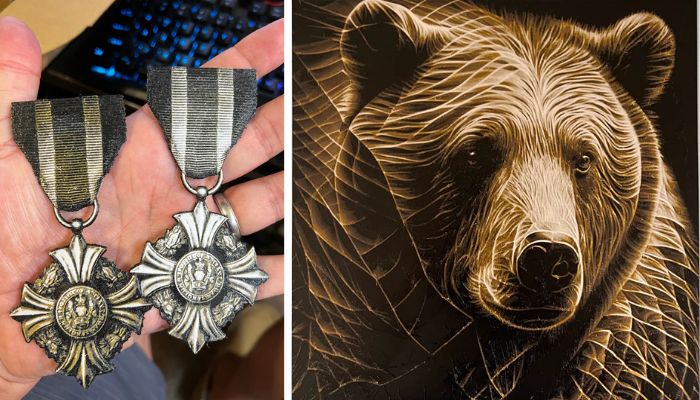
Examples of work made through HueForge (Photo credits: HueForge)
Thanks to the software HueForge, users can produce detailed, multi-color 3D prints in this novel way, leveraging the power of filament transparency. HueForge calls its process “Filament Painting,” and it helps users achieve stunning 3D art prints using Swap-by-Layer. The key aspect of the software is how it recognizes filament transparency, which they refer to as Transmission Distance.
More from the desk
Six other notes from the rest of the bench.
 ApplicationsHarvard Researchers Develop Microbial Ink to 3D Print Living MaterialsWhat if you were told that 3D printing is getting closer and closer to revolutionizing science? A team of researchers at Harvard University and Brigham and Women’s Hospital is rising to the challenge. Recently, they developed a microbial ink or…
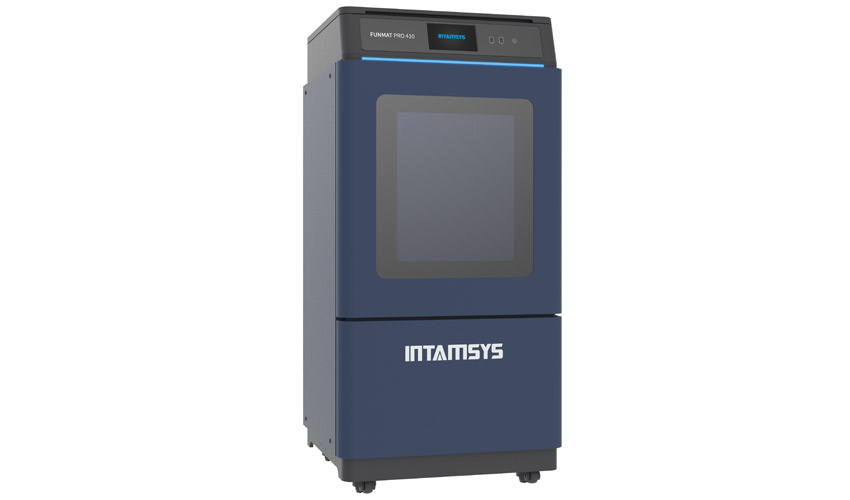 PrintersINTAMSYS on their industrial 3D printing solution for HPPs & vision of the marketINTAMSYS, based in Shanghai, is an industrial-grade 3D printer manufacturer and additive manufacturing solutions provider of PEEK and high-performance functional materials. In the AM field, many applications require the use of high-performance functional materials because of thei
 NewsConcrete Choreography are 9 unique 3D printed columnsStudents at ETH Zurich once again presented an innovative project surrounding 3D printing technologies. This time they mixed architecture and new technologies to design 3D printed concrete columns. Nine structures, 2.7 meters (8.9 ft) high were designed for the Origen festival&he
 ApplicationsAlex Bellini Sets Out to Explore Alaska and Other Polar Regions on a 3D Printed Bicycle3D printing in cycling for the production of high-performance bicycles is becoming increasingly popular. Just think of the success of Filippo Ganna, who entered cycling history thanks to his very personal 3D printed Pinarello Bolide F HR 3D. Or the…
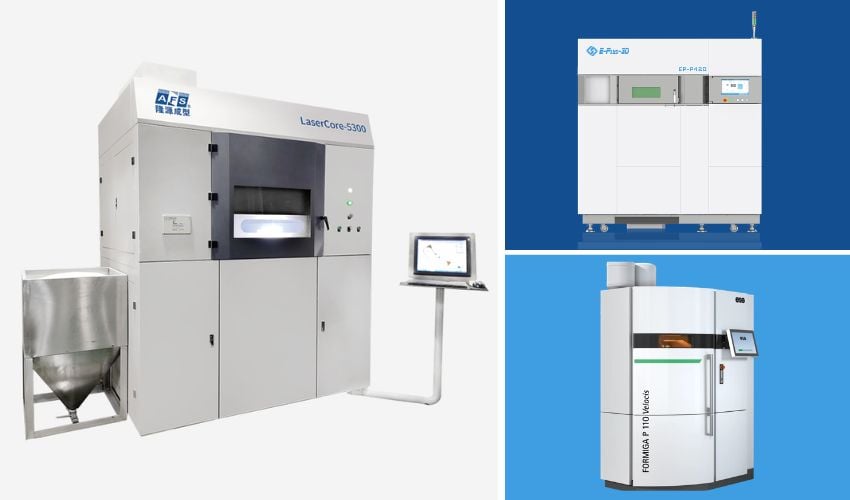 PrintersThe Different SLS 3D Printers on the MarketOnce an exclusive tool for high-budget labs, selective laser sintering (SLS) has become a practical solution for modern manufacturing. The technology uses a laser to fuse plastic powder layer-by-layer, and historically, it was sidelined by high costs and operational complexity.&h
 News3D Printing Magic Meets Box Office Realities With Disney Pixar’s ‘Elemental’Amidst the buzz surrounding the remarkable 3D printed characters of Disney Pixar’s “Elemental,” there’s an underlying cloud of skepticism lingering in the air. The film, set in the imaginary Element City, where fire, water, land, and air residents coexist,