Applications
Rocket Lab launches rocket with a 3D printed engine
Just over two years ago, the California based startup ‘Rocket Lab’ announced that they had developed the world’s first battery-powered rocket. This same Electron rocket is now here, and incorporates a 3D printed Rutherford engine with with the aim of…
- 3 min read
- Applications
- Six more stories

Just over two years ago, the California based startup ‘Rocket Lab’ announced that they had developed the world’s first battery-powered rocket. This same Electron rocket is now here, and incorporates a 3D printed Rutherford engine with with the aim of heading to outer space. Luckily for them, after having a 10 day window that began on May 22 to launch their rocket off of their launch pad located off of the Mahia peninsula, the fruit of their labor finally came together, as the company was able to launch their rocket yesterday. This launch was a big deal as it was the first launch attempt for the country, as New Zealand has no space travel program of their own.
Rocket Lab is a private aviation company that has been supported by many high-tech companies such as Lockheed Martin, and have received a $75 million investment earlier this year, making their startup’s investment total a whopping $148 million, with a value of around $1 billion by private investors. With their launch, this is seen as being a success for New Zealand and the startup itself, but also for 3D printing, as the engine of the rocket is made almost entirely from additive manufacturing. The engineers of the rocket relied on this technology as it not only saves time, but also lowers weight, which is a considerable importance when it comes to the aerospace industry.
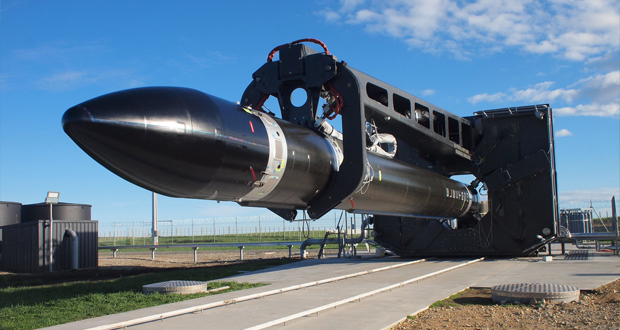
The test will take place on a small peninsula in the east of New Zealand
Standing at 17m tall and 1.2m in diameter, this fully loaded rocket came to a total weight of 10.5 tons. The launch of the rocket was carried out in two stages. In the first stage, the nine Rutherford engines providing the thrust with the second stage using a single vacuum-optimized engine. Before launching, the team came up with the test goals for the rocket. Running under the codename of “It’s a Test”, the rockets test consisted of the rocket carrying an inert payload to an 83-degree, elliptical orbit that was varied between 300 and 500 kilometers high.
More from the desk
Six other notes from the rest of the bench.
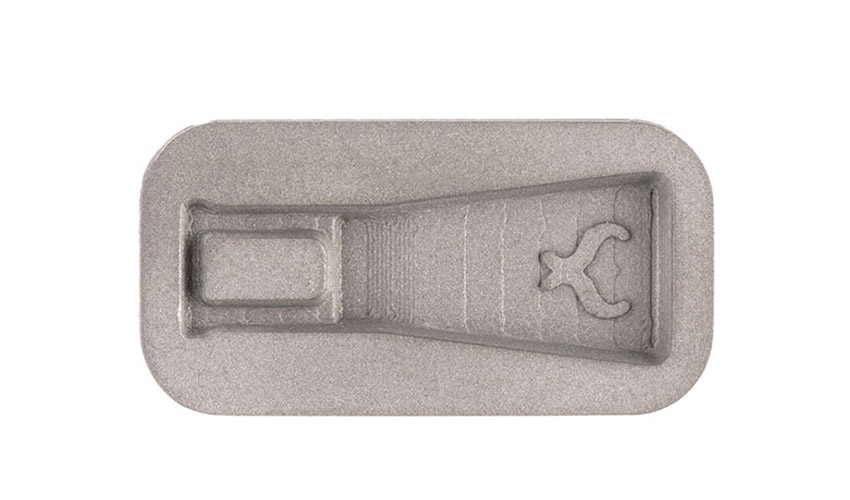 NewsDesktop Metal introduces H13 steel to its range, for hot and cold tooling applicationsThe American manufacturer Desktop Metal announced the arrival of its metal 3D printing solutions to Europe last July and is now expanding its range of compatible materials. It is adding the tool steel, H13. This tool steel is a metal…
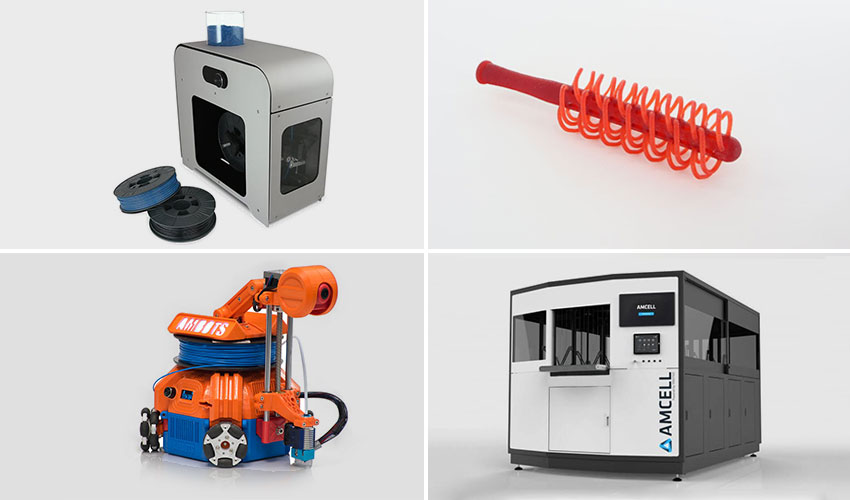 NewsWhat are the best 3D startups of 2019?Throughout the year the 3Dnatives team has followed some of the most disruptive companies in the field of 3D printing. In our #3DStartup series, once a month, we interview startups that have come out of the mold thanks to their…
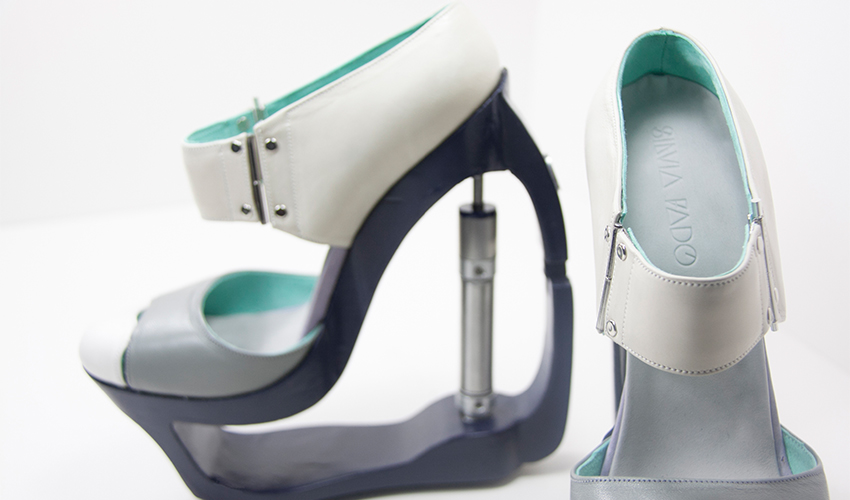 NewsSilvia Fado on innovation in the shoe industry using 3D printingAs 3D printing continues to grow in fashion, it has also very much extended itself into the shoe industry. One designer using the technology for her footwear is Silvia Fado. Her brand, of the same name, was established back in…
 GuidesHILOS and its 100% Recyclable 3D Printed ShoesIf you’re curious about the different applications of 3D printing, you are probably aware that several companies have been producing footwear using additive manufacturing. Adidas, Reebok, and New Balance are some of the largest companies to use 3D printing to…
 MaterialsDesktop Metal adds pure copper to its range of materialsWhile going public a few weeks ago, US manufacturer Desktop Metal announced the addition of pure copper to its range of materials compatible with its Studio System solution. Known for its excellent thermal and electrical conductivity, copper could enable the…
 ApplicationsCan all drugs be 3D printed?Researchers at University College London (UCL), home of the startup FabRx, have discovered some limitations to 3D printed drugs. Using a stereolithography process to produce a polypill, they realized that certain substances – in this case amlodipine, used to prevent…