News
What are the best 3D startups of 2019?
Throughout the year the 3Dnatives team has followed some of the most disruptive companies in the field of 3D printing. In our #3DStartup series, once a month, we interview startups that have come out of the mold thanks to their…
- 3 min read
- News
- Six more stories
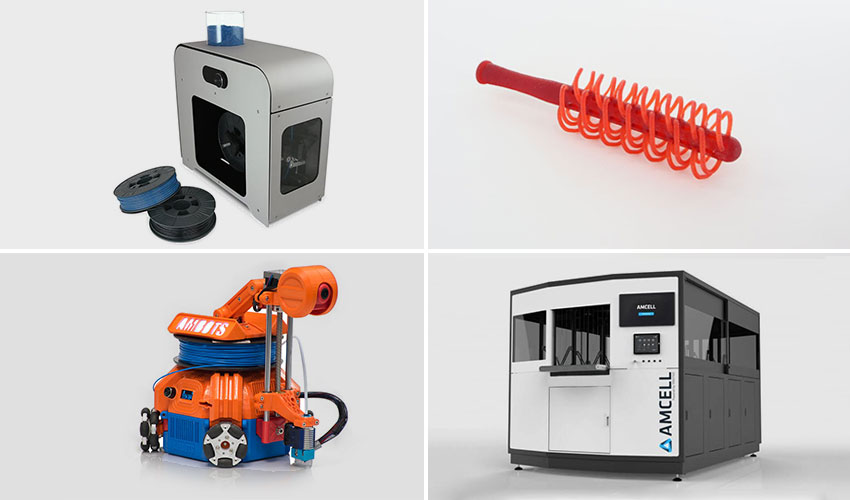
Throughout the year the 3Dnatives team has followed some of the most disruptive companies in the field of 3D printing. In our #3DStartup series, once a month, we interview startups that have come out of the mold thanks to their machines, technologies or applications, and the time has come to celebrate their achievements. So for today, we’ve compiled the list of the 12 3D startups of 2019 that could shape the additive manufacturing world of tomorrow. We invite you to vote for your favourite company, and below you will find a recap of our 12 startups!
January – Spare Parts 3D, the digitization of spare parts
One of the great benefits of additive manufacturing is the ability to digitalize spare parts, and thus diminish, if not end stocking. This is where the French startup Spare Parts 3D saw an opportunity. Paul Guillaumont, founder of the company, developed 3D software to digitize spare parts at an industrial level, facilitating 3D printing of these digital files. The goal of the startup is to create a production network of parts in more than 70 countries around the world, and thus end stocks. This initiative will make it easier to achieve digital stocking of parts in order to reduce costs and environmental impact.
February – Spectroplast, 3D printing with silicones
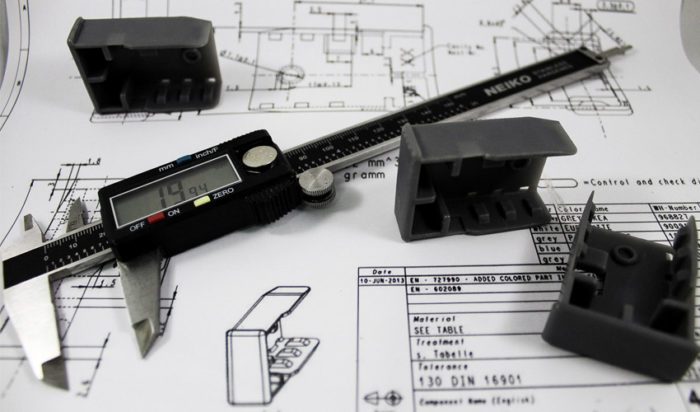
Spectroplast is a company founded in 2018 as a spin-off from ETH Zurich. It has been chosen as one of the 2019 3D startups for developing a high precision silicone 3D printing process. Silicone is a biocompatible material used in multiple applications from sealants to medical implants. This young company develops its materials based on commercial silicones and seeks to meet the needs of each customer, these materials are compatible with SLA and DLP 3D technologies, based on a principle of photopolymerization.
More from the desk
Six other notes from the rest of the bench.
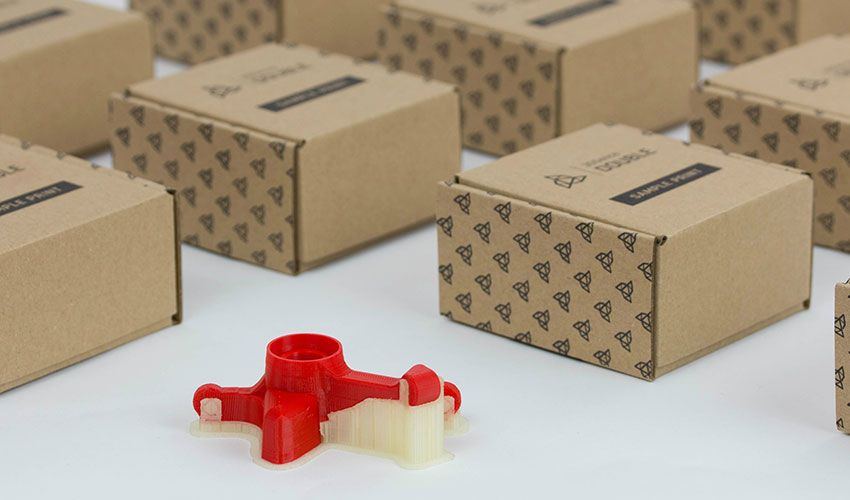 PrintersDual extrusion 3D printing according to 3DGenceOne of the disadvantages of FDM / FFF technologies is the inability to mix several colors simultaneously during manufacturing. A first option to obtain a colored model is to pause a current print to change the filament and then restart.…
 NewsXometry announces it has raised $50 million in equity fundingXometry, one of the largest on-demand manufacturing marketplaces announced it has just raised $50 million in equity funding – to date the marketplace has raised a total of $113 million. The platform connects customers with optimal manufacturing solutions through proprietary&helli
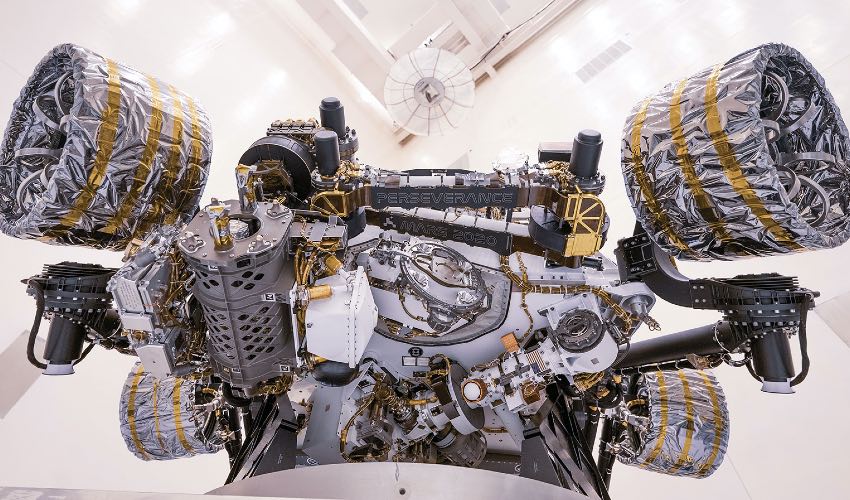 ApplicationsNASA’s Perseverance rover carries 11 3D printed parts to MarsThe National Aeronautics and Space Administration, NASA, has been investing in 3D printing technologies for several years, by both manufacturing parts in-house and awarding contracts worth millions of dollars to external companies and institutions. Some of the examples include th
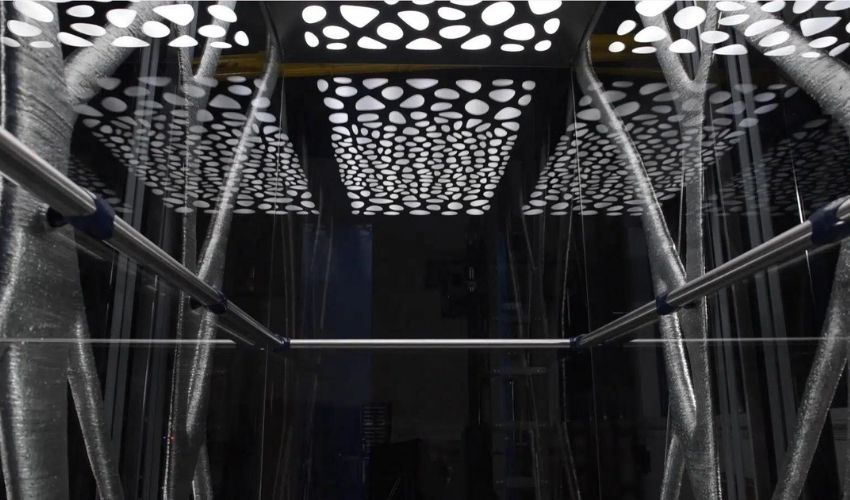 NewsMX3D and Schindler Have Used 3D Printing to Design an ElevatorWhat began in 1857 in the Haughwout department store in New York has become an indispensable part of our lives: the passenger elevator. However, we realize that although we are in one almost every day, it rarely leaves a lasting…
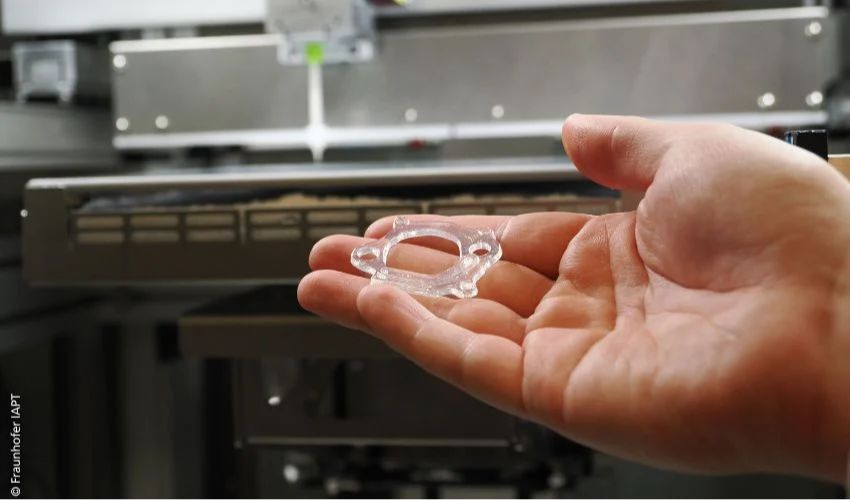 MaterialsFraunhofer IAPT To Conduct Feasability Testing on 3D Printed Silicone SealsThe Fraunhofer Institute for Additive Production Technologies (IAPT) is known for its sustainable innovations in additive manufacturing. Now, the group is studying sealing technology and offering opportunities for industry members to participate. Seals are important components in
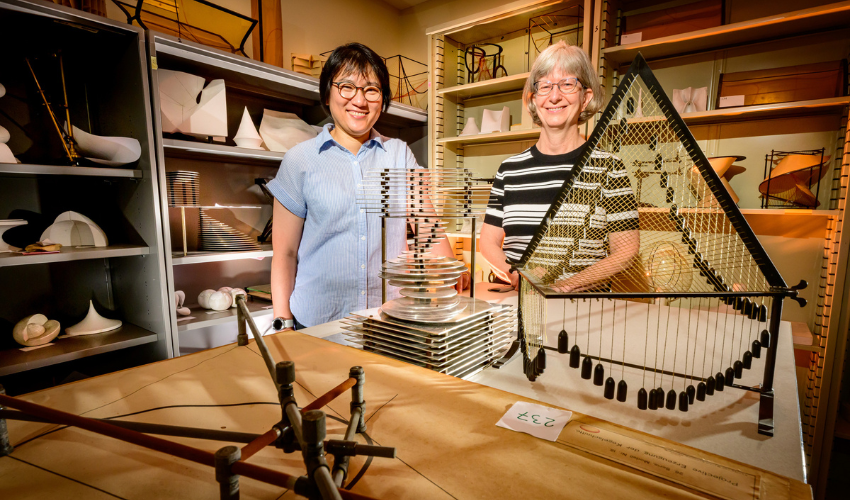 NewsStudents Bring Mathematical Models to Life Using 3D PrintingStudents at the University of Illinois Urbana-Champaign have created new 3D models of mathematical surfaces and theorems. In a project spearheaded by the Illinois Mathematics Lab and the Champaign-Urbana Community Fab Lab, undergraduates at the university were able to recreate&he