News
Rethinking Mobility Thanks to 3D Printing
Sooner or later, self-driving vehicles will become part of our everyday lives, and it’s not just the carmakers themselves who have realized this. Well-known automotive giants like Volkswagen, Audi and Daimler are increasingly facing competition from tech giants like Google&
- 3 min read
- News
- Six more stories
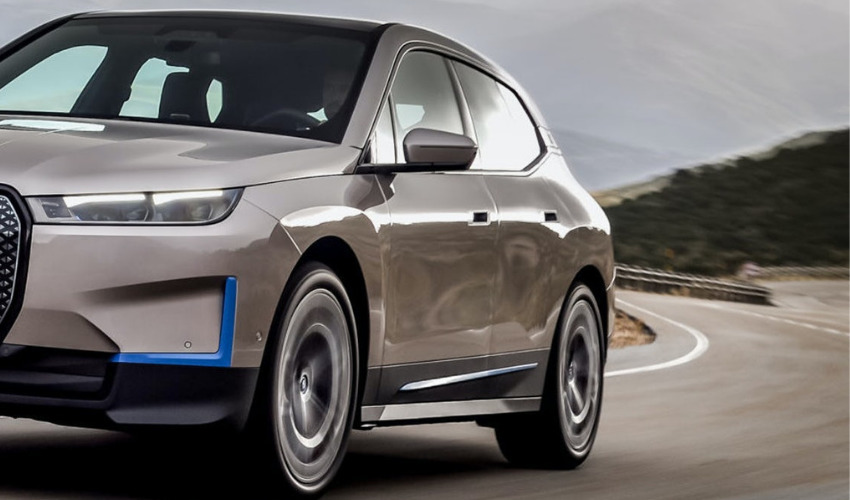
Sooner or later, self-driving vehicles will become part of our everyday lives, and it’s not just the carmakers themselves who have realized this. Well-known automotive giants like Volkswagen, Audi and Daimler are increasingly facing competition from tech giants like Google or Apple and other manufacturers who know how to rethink mobility. Experts agree that this dynamic competition will help the automotive industry to blossom again. 3D printing, artificial intelligence and electric mobility are among the driving forces that will make the production and use of vehicles not only more efficient but also more ecological. From the existing multitude of innovations in the automotive industry, we want to bring your attention a few examples of 3D printing in the automotive industry that we think deserve our attention in 2021.
BMW plans to start series production of the iX this year
As a wide variety of technologies are being used together for this third revolution of the automobile, some companies are increasingly specializing in the development of parts. For example, BMW is cooperating with both Intel and Mobileye to bring the BMW iX to market. For this, in addition to an all-electric powertrain, the automotive giant is relying on 5G data transmission, ushering in a new era for car-to-x communication. BMW is also known for taking advantage of additive manufacturing for its prototypes, parts and vehicle components. For this purpose, the company’s own Additive Manufacturing Center in Munich produces more than 100,000 parts made of metal or plastic using 3D printing every year. For the presentation of the iX model, a 3D-printed radiator grille was processed, which skilfully embodies the intelligent platform underneath. However, it is still unclear whether and to what extent this will be used for the production launch of the BMW iX. The market launch is planned for the end of this year.
Hyundai’s TIGER-X1 to enable unmanned lunar expeditions
But other companies are also coming up with new vehicle models this year and integrating additive manufacturing into their production processes. Among them, for example, is the South Korean car manufacturer Hyundai, which, in collaboration with Autodesk, is presenting a four-legged robot car construct. The Tiger (Transforming Intelligent Ground Excursion Robot), developed by New Horizon Studio in California for a transportation study, could become a possible future model for unmanned lunar and moorland expeditions.
More from the desk
Six other notes from the rest of the bench.
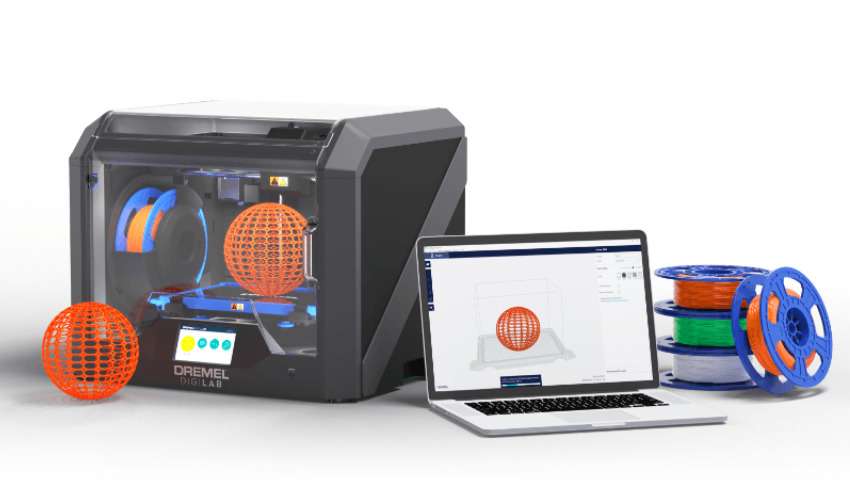 PrintersWhich Dremel 3D Printers Are Currently On the Market?In 2014, Dremel Manufacturing Company moved into 3D printing market with their offshoot, Dremel DigiLab. In line with their focus to shape the new generation of pioneers, their motivation, according to the website, centers around using their products and machines…
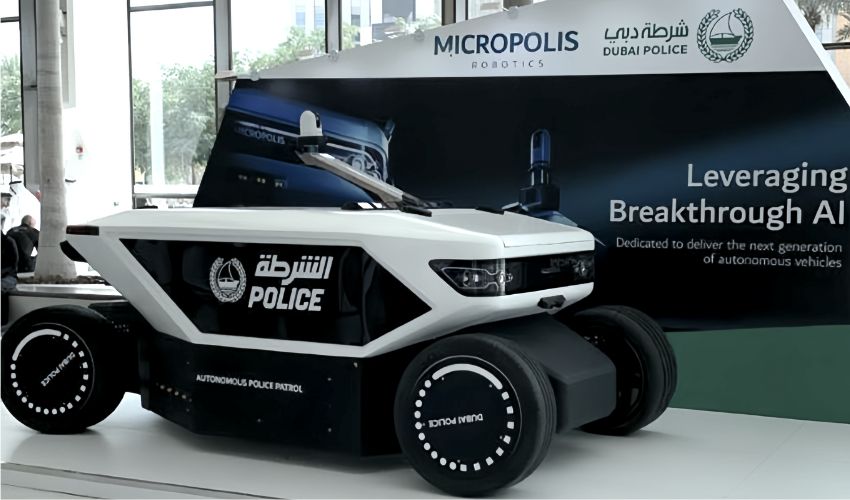 ApplicationsTPM3D Brings Simplicity and Efficiency to Major Industries Through SLS 3D PrintingSLS 3D printing is increasingly growing in popularity. And when it comes to certain solutions, the benefits can be even clearer. For example, Chinese SLS 3D printer manufacturer TPM3D has clearly shown how its machines can be used to help…
 NewsResearchers Are Making Microstructures Using Ice 3D PrintingAt Carnegie Mellon University, located in Pennsylvania, engineering researchers claim to have succeeded in 3D printing microstructures of ice. They plan to use these structures as sacrificial templates, allowing them to create internal channels or conduits with the highest finess
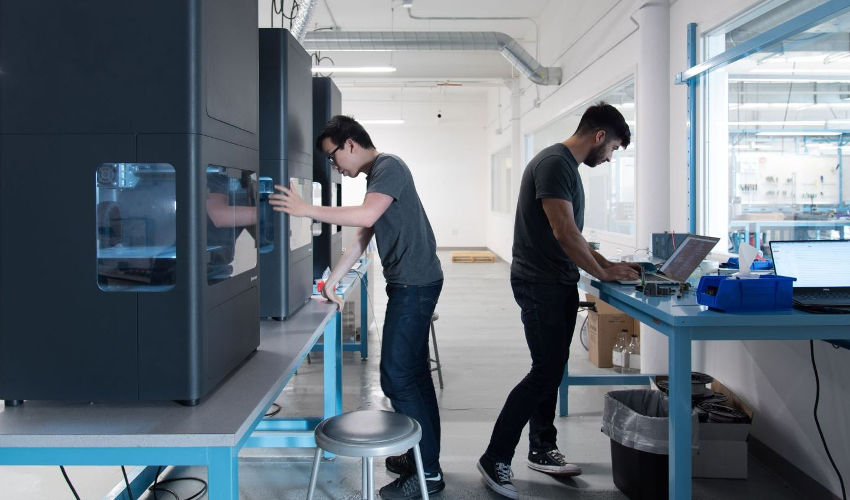 NewsECO3D November: The latest economic news in 3D PrintingThis month’s ECO3D contains a wide variety of business and economic news in the world of 3D printing. This month, many new and established companies secured investments, were purchased by larger companies, or announced big news regarding their future. We’ve…
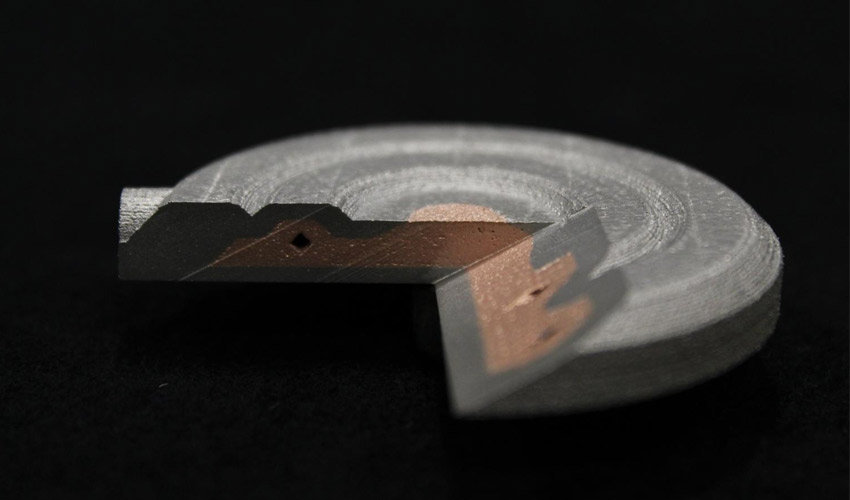 MaterialsAerosint showcases dual metal 3D printing capabilitiesBelgian manufacturer Aerosint has just announced that it has successfully 3D printed a complex part and small cubes with two different metals, using a laser powder bed fusion process! The most complex part was with stainless steel and CuCrZr (ie…
 NewsTop 5 Videos: The History of 3D PrintingWelcome to our compilation of this week’s top 3D printing videos. We kick off this week’s edition with a thorough exploration of the history of 3D printing. Next, we’re shown how the United States Marine Corps is integrating 3D printing…