News
Top 5 Videos: The History of 3D Printing
Welcome to our compilation of this week’s top 3D printing videos. We kick off this week’s edition with a thorough exploration of the history of 3D printing. Next, we’re shown how the United States Marine Corps is integrating 3D printing…
- 3 min read
- News
- Six more stories
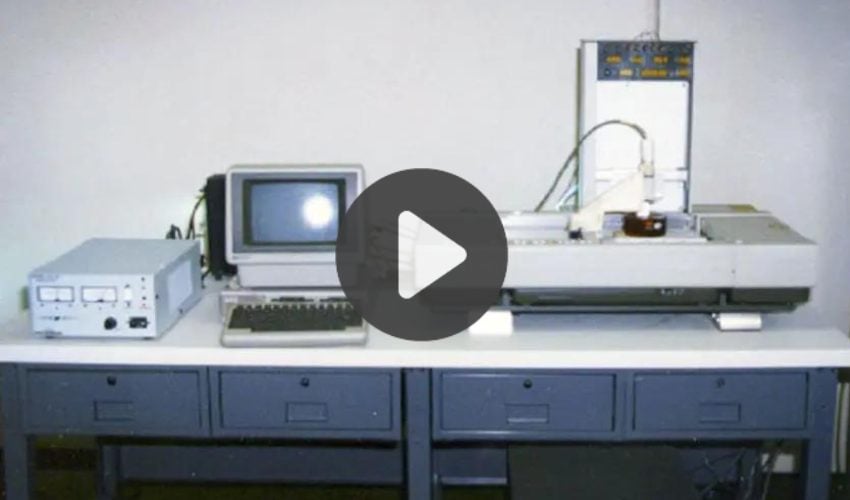
Welcome to our compilation of this week’s top 3D printing videos. We kick off this week’s edition with a thorough exploration of the history of 3D printing. Next, we’re shown how the United States Marine Corps is integrating 3D printing into their training, pushing Marines to develop AM-related skills through the introduction of its first-ever additive manufacturing course on MCB Hawaii. Moving forward, Chip Monkeys reveals and demonstrates the advantages of sequential 3D printing over continuous printing, pointing out issues like material waste and problems related to layer adhesion. Next in line, Meltio introduces its new M600 3D printer and details its extensive range of features. And finally, we wrap up this week with a video by Resin Forge, demonstrating the dos and don’ts of sanding resin 3D prints. Let’s get started!
Top 1: The History of 3D Printing
First, we’re presented with an episode of The History Of, which provides an extensive overview of the history of 3D printing. Beginning with Chuck Hull’s invention of stereolithography, the episode discusses the emergence of additional technologies like selective laser sintering and fused deposition modeling. Additionally, it delves into the expanding applications across industries in the 2000s, including aerospace, automotive, healthcare, and consumer goods, before assessing the 3D printing landscape of today.
Top 2: Marine Corps Base Hawaii Hosts Its First-Ever Additive Manufacturing Course
Next up, user dvidshub highlights CLC-33’s very first Additive Manufacturing course aboard Marine Corps Base Hawaii, which aims to provide Marines with essential skills in CAD, 3D printing, coding, and electronics. Through partnerships with organizations like Cisco Advanced Manufacturing Systems, the program hosts quarterly classes for 12 Marines, teaching fundamental concepts in additive and subtractive manufacturing processes while empowering Marines to refurbish and repair equipment quickly.
More from the desk
Six other notes from the rest of the bench.
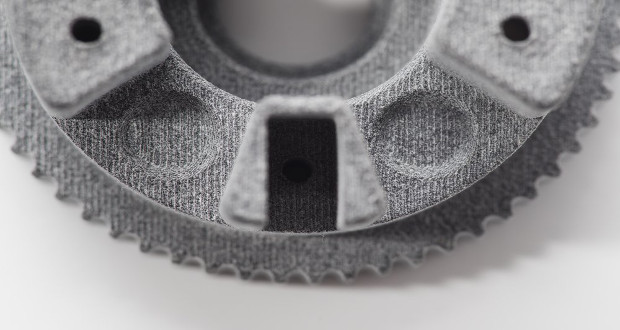 News3D Hubs to bring HP’s latest technology to marketThis Afternoon, 3D Hubs made their big announcement that they will be the first online platform to bring HP’s Multi-Jet Fusion Technology to the market. Thanks to this agreement, Multi Jet Fusion Technology will become more locally accessible to designers…
 ApplicationsFirst-Ever Kidney and Liver Tissue Bioprinted in Space Aboard the ISSThe American company Auxilium Biotechnologies has successfully 3D-printed kidney and liver tissue in space for the first time. The experiment was conducted aboard the International Space Station (ISS) using its AMP-1 orbital bioprinter. The samples returned to Earth on June&helli
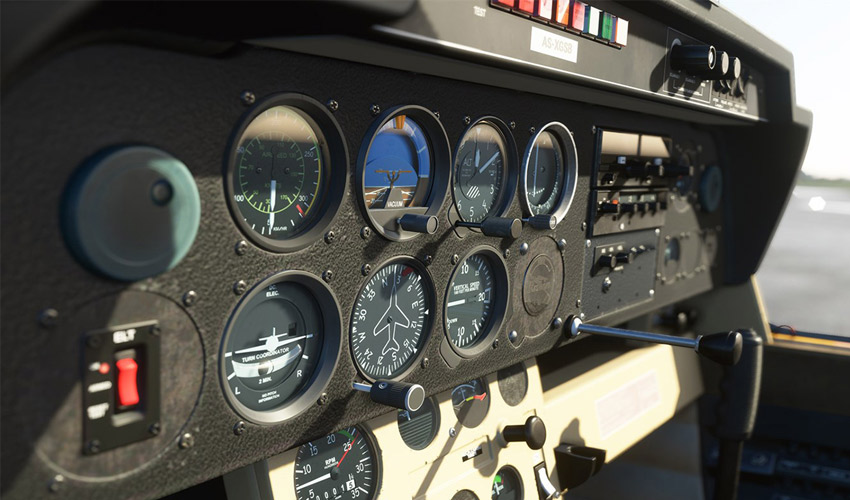 PrintersMicrosoft Flight Simulator made more realistic thanks to 3D scanningMicrosoft Flight Simulator is one of the most famous flight simulation games in the world, with more than a million players and 26 million completed flights. The latest version was released a few months ago and, in order to make…
 NewsNissan uses 3D printing to create a Star Wars vehicleWhile the Star Wars saga continues with a new film on the famous Han Solo, which has recently had their world premiere in Hollywood, it is not only the stars who graced the red carpet but also additive manufacturing, thanks…
 NewsTop 5 Videos: NASA’s Use of 3D Printing in Space ExplorationWelcome to our compilation of this week’s top 3D printing videos. We kick off this week’s edition with our very own video, highlighting the role of additive manufacturing within space exploration, explained by Paul Gradl, Principal Engineer at NASA. Next,…
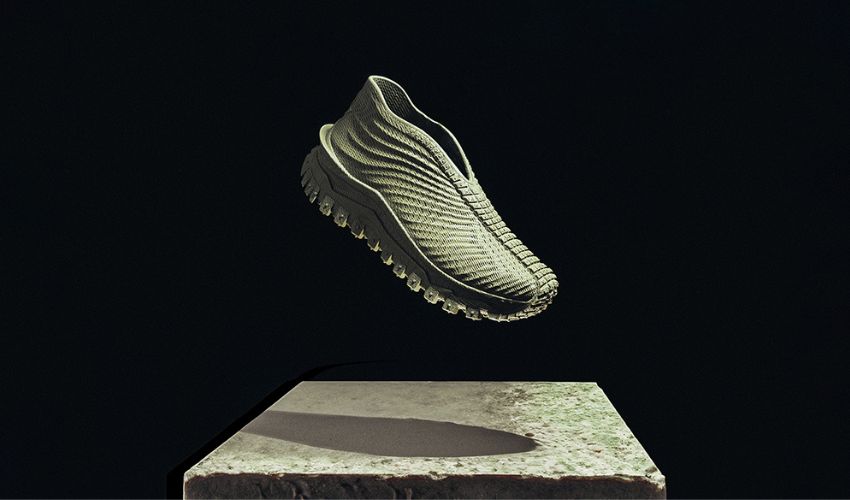 NewsSustainability Meets Style with Zellerfeld and Moncler’s 3D Printed Trailgrip SneakerPioneering the world of 3D printed shoes, Zellerfeld has joined forces with Moncler, a renowned luxury fashion brand known for its commitment to eco-consciousness and innovation. This collaboration marks Moncler’s foray into 3D printing, using a single recyclable material t