Materials
Aerosint showcases dual metal 3D printing capabilities
Belgian manufacturer Aerosint has just announced that it has successfully 3D printed a complex part and small cubes with two different metals, using a laser powder bed fusion process! The most complex part was with stainless steel and CuCrZr (ie…
- 3 min read
- Materials
- Six more stories
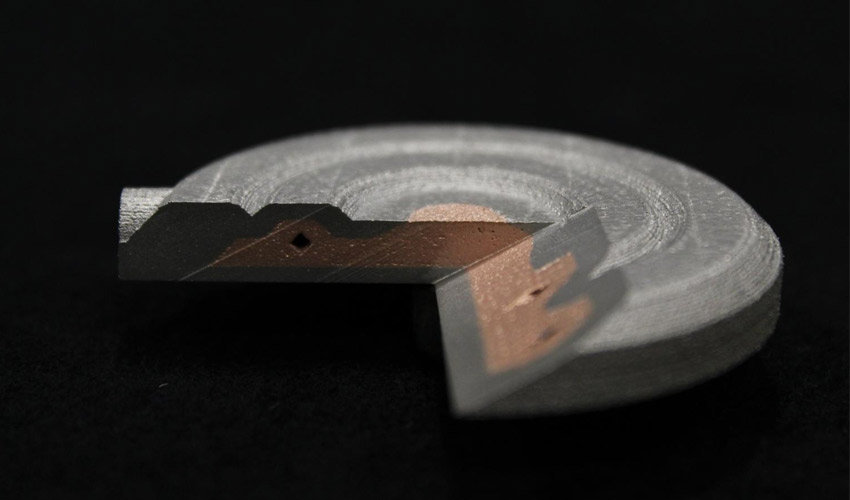
Belgian manufacturer Aerosint has just announced that it has successfully 3D printed a complex part and small cubes with two different metals, using a laser powder bed fusion process! The most complex part was with stainless steel and CuCrZr (ie Copper with Chromium and Zirconium). The cubes, on the other hand, were 3D printed from steel and a copper alloy. This is a first on the additive manufacturing market that could allow many industries to manufacture more mechanically efficient parts, displaying unprecedented properties.
Laser powder bed fusion is a widespread process in the metal 3D printing market, allowing a metal powder to be melted point by point until a final part is obtained. Until now, only one metal powder (or alloy) was used – already allowing to obtain prototypes, tools or even solid and durable end use parts. Each metal has a different melting point, implying higher or lower temperatures to fuse the powder. By combining several metals, temperature management becomes even more essential. Having a system that can work with multiple powders can open up new applications, for example allowing to combine the biocompatibility properties of steel with the lightness of aluminium.
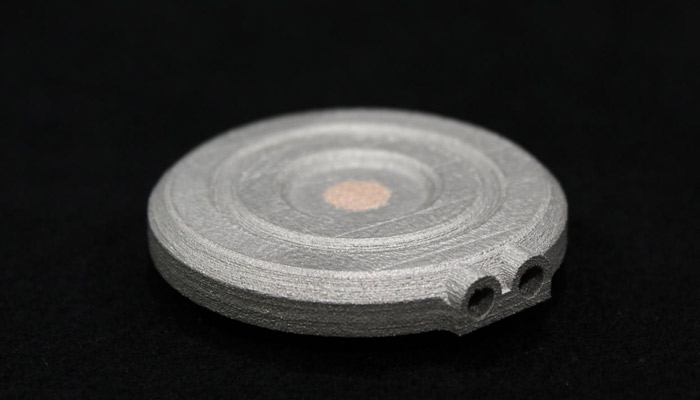
The circular part combines steel and CuCrZr | Credits: Aerosint
A multi-metal additive manufacturing process
Aerosint demonstrated it has succeeded in 3D printing metal parts with several materials a LPBF machine. The Belgian manufacturer explains that it used a tailor-made machine developed by Aconity3D, with the recoater designed by Aerosint – it is the roller which allows the powder layer to be levelled. The company performed several tests: it first printed small cubes with steel and copper. Then, Aerosint designed a circular part 60 mm high and 55 mm wide, consisting of 174 layers of 316L steel and CuCrZr, 40 microns each. The printing process lasted 5 hours and 40 minutes.
More from the desk
Six other notes from the rest of the bench.
 News3D Printed Smart Gel Adapts Colour and Shape with LightA team of engineers at Rutgers University have developed a 3D printed smart gel that is able to sense and change according light exposure, becoming “artificial muscle”. The smart gel was inspired by the colour and texture changing mechanism of…
 NewsRevo Foods Expands its Presence in EuropeYou have certainly already heard of Revo Foods, the Austrian startup that has taken the country by storm with its innovative 100% plant-based 3D printed smoked salmon. Now, Revo Foods has officially expanded their presence in Europe, making the leap…
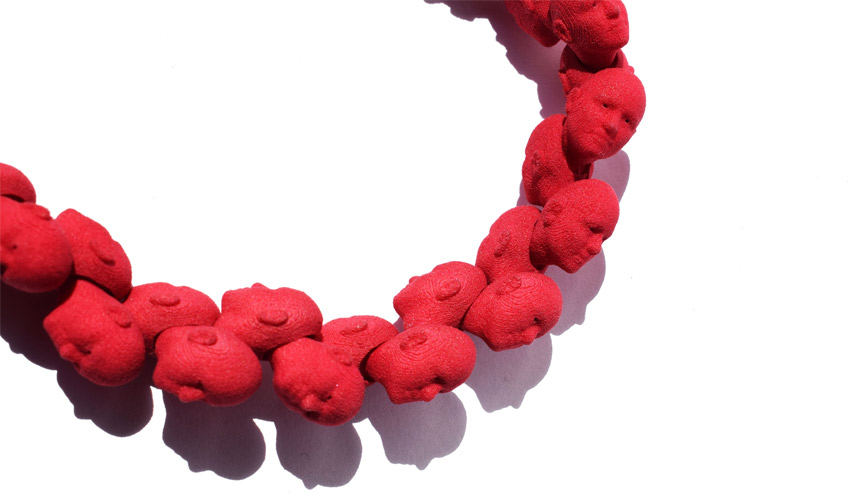 NewsExploring jewelry making using 3D printing with Caroline AuraixIn the jewellery sector, additive manufacturing has many benefits, especially in terms of creativity. It enables designers to design complex shapes that are impossible to obtain using traditional manufacturing methods. It also offers greater scope for personalization, satisfying
 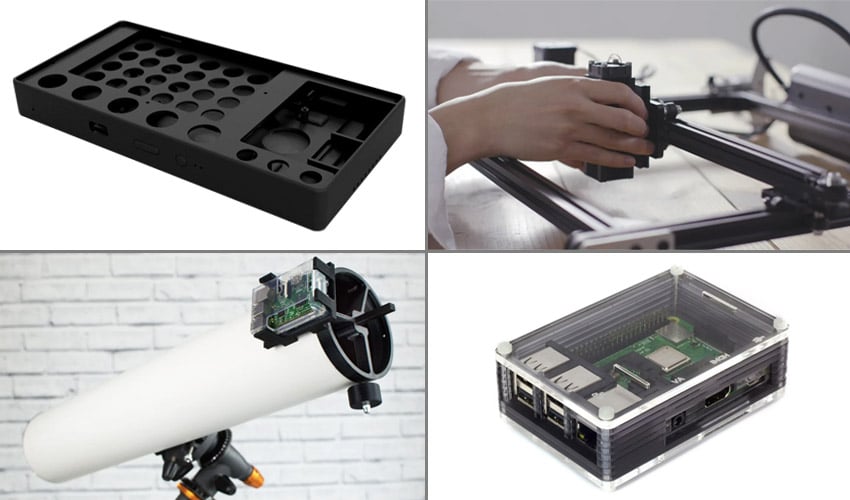 GuidesTop 3D Printing Projects With Your Raspberry PiA Raspberry Pi is a credit card sized computer that can be bought for as a little as $30. The device was invented in an endeavor to encourage people to learn how to program computers. A Raspberry Pi can run…
 ApplicationsRICOH’s 3D Printed Breast Cancer Surgical Models at RAPID + TCT: The Future of Patient-Specific Healthcare?One in eight women in the United States has or has had breast cancer, making it the most common cancer in women in the country after skin cancer. Yet, despite its predominance, there still needs to be significant innovation in…
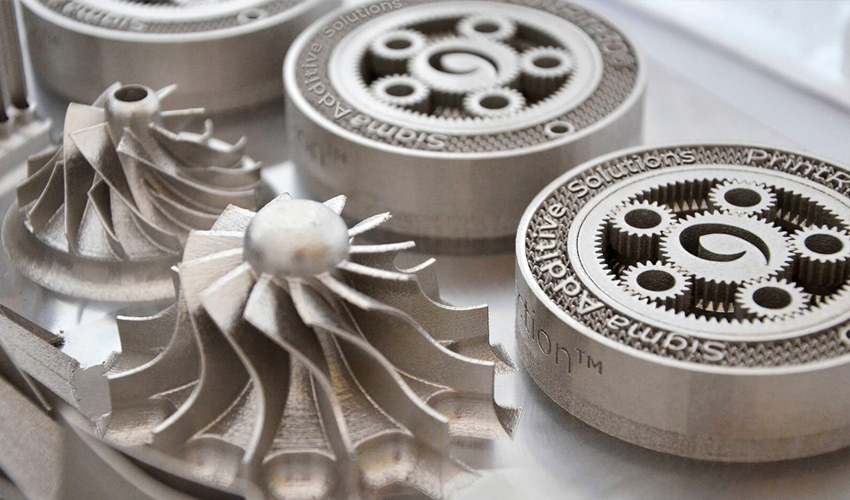 MaterialsA Closer Look at 3D Printing Materials: MetalsMetal 3D printing is one of the fastest-growing advanced manufacturing technologies at industrial level. In fact, according to a report published by Grand View Research, the global market for this process was valued at $6.36 billion in 2022. What’s more,…