Applications
Restoration of vintage car thanks to 3D technology and KW Heritage
The KW Heritage affiliate of the UK group KW Special Project recently unveiled its plans to restore the famous 1967 car: Alfa Romeo Tipo 33/3. Thanks to 3D technologies, the team in charge of the project were able to present this classic…
- 3 min read
- Applications
- Six more stories
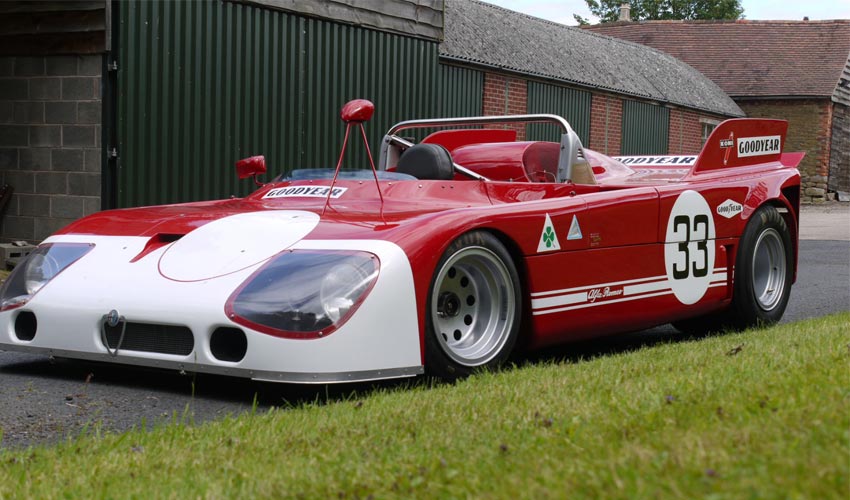
The KW Heritage affiliate of the UK group KW Special Project recently unveiled its plans to restore the famous 1967 car: Alfa Romeo Tipo 33/3. Thanks to 3D technologies, the team in charge of the project were able to present this classic car at the Goodwood Revival automobile festival earlier this month. The vehicle is one of 12 ever created.
There is no doubt that 3D technologies have a key role to play in the restoration of old vintage cars. When we met up with the French startup GRYP the trend was confirmed. Through 3D printing they can repair old parts and offer collectors a cheaper and more sustainable alternative. KW Heritage also looked at this market and tackled the famous Alfa Romeo Tipo 33/3 which is over 50 years old today.
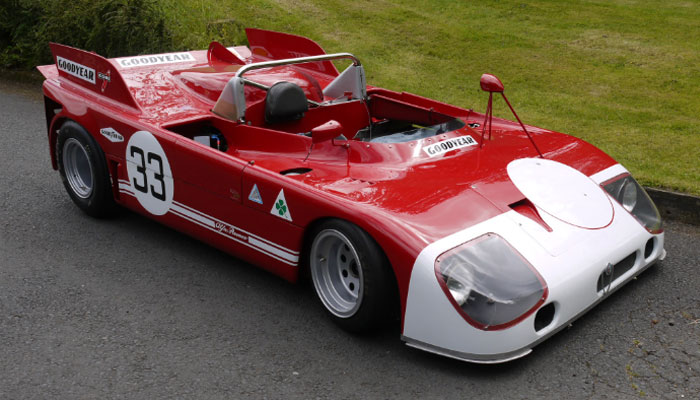
Photo credits: KW Heritage
“Obsolescence is a major issue in the classic and historic vehicle market but modern engineering techniques offer a timely and effective solution,” said Edward Smith, Heritage Engineering Manager at KW Heritage. “At KW Heritage, we provide modern engineering and manufacturing solutions to the heritage market, from components through to full vehicles. By working closely with teams, restorers, collectors and vehicle owners, we are helping enthusiasts strike the perfect balance between old and new, with modern engineering techniques keeping the cars of yesteryear on the road for longer,.”
How the project came about
It was the English driver Martin Stretton who seeked out the British company. Because the hood of his car was damaged, causing start-up problems he need a new part. The original components to repair this defect having become obsolete, he turned to KW Heritage. They were able to 3D scan the cover and create the associated CAD files. The team explains that it has redesigned the piece by eliminating the previous design flaws while respecting the certification of the International Federation of the Automobile. They then 3D printed the prototype of a component to validate their approach, where after the component was then cast in aluminum.
More from the desk
Six other notes from the rest of the bench.
 NewsAmazon buys 3D body scanning start-up Body Labs for $50-70MBody Labs have announced that Amazon have acquired the start-up for an undisclosed amount. TechCrunch however have reported that the figure Amazon paid is between $50-70M. Body Labs are a start-up from New York that incorporate body scanning into 3D…
 ApplicationsIs the EU Lagging Behind in 3D-Printed Medical Device Regulation?Quite often here, we discuss the advances 3D printing is making in the medical sector. So, you may be surprised to learn that the European Union is lagging well behind other countries when it comes to regulation regarding 3D-printed devices…
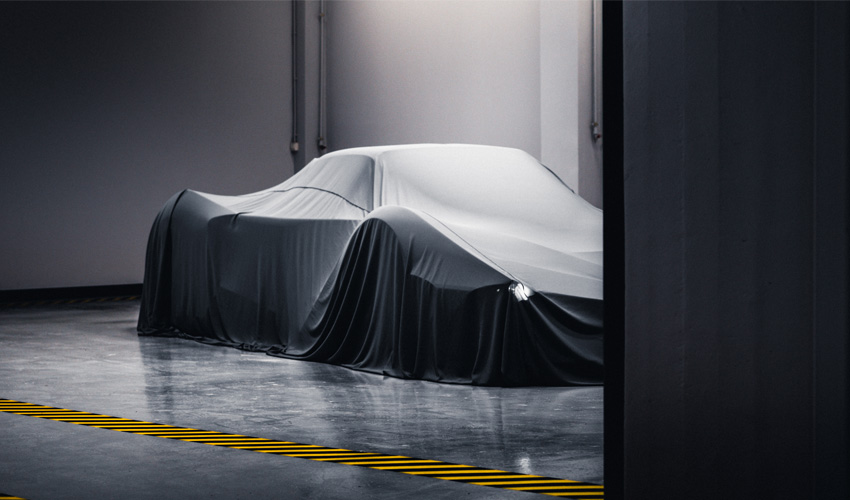 ApplicationsProject Chaos: when an ultracar meets 3D printingSpyros Panopoulos is a Greek racing car enthusiast who has given his name to his company: he recently unveiled the new project he has been working on for the past two years. Project Chaos is a ultracar with very high…
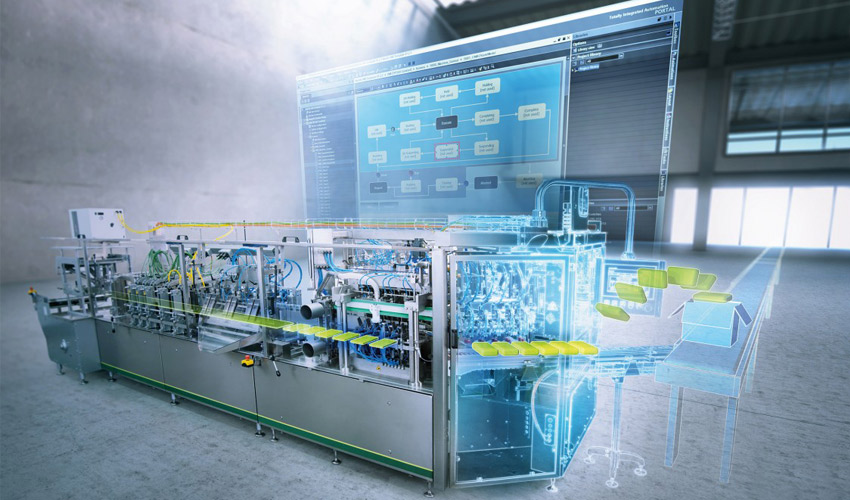 News2021: What to watch out for in additive manufacturingThe year 2020 was eventful and unpredictable to say the least. However, the additive manufacturing industry adapted to these changes surprisingly quickly, and was able to stay afloat. If you remember, many of the needs in the healthcare sector were…
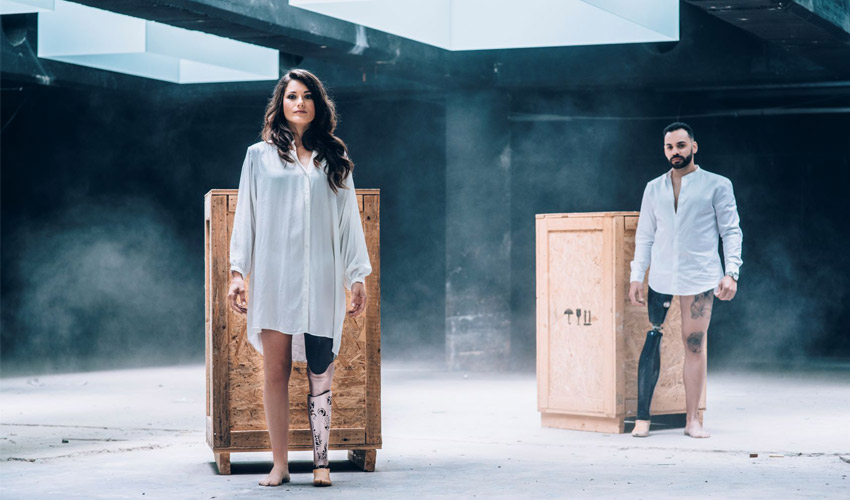 ApplicationsUNYQ 3D prints aesthetic & functional prosthetic leg socketsUNYQ is a San Francisco-based company specialised in 3D printed medical wearables. For the last five years the company has created prosthetic and orthotic devices. Recently, it announced the launch of a 3D printed prosthetic leg socket, it is their…
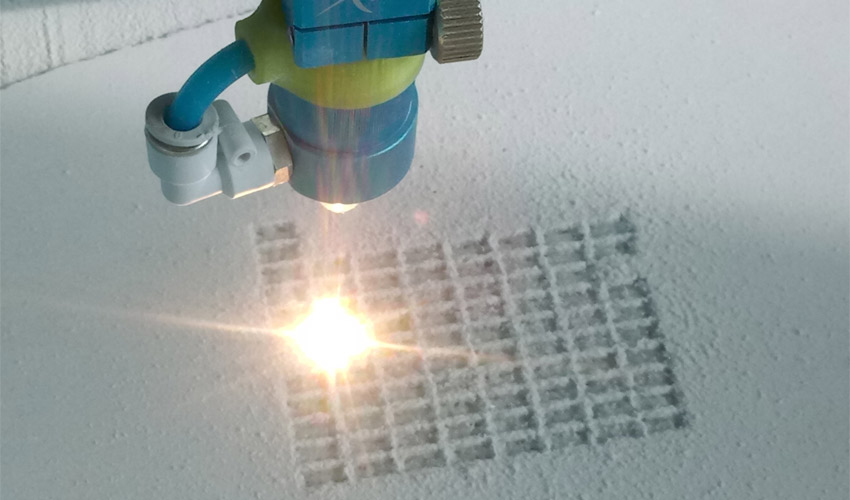 Materials#3DStartup: ING3D and its Mineral 3D Printing SolutionsBased in Germany, our startup of the month is ING3D which has developed a mineral 3D printing process inspired by powder sintering, called Mineral Direct Laser Sintering (MDLS). Thanks to this unique process, it is possible to design very light…