News
2021: What to watch out for in additive manufacturing
The year 2020 was eventful and unpredictable to say the least. However, the additive manufacturing industry adapted to these changes surprisingly quickly, and was able to stay afloat. If you remember, many of the needs in the healthcare sector were…
- 3 min read
- News
- Six more stories
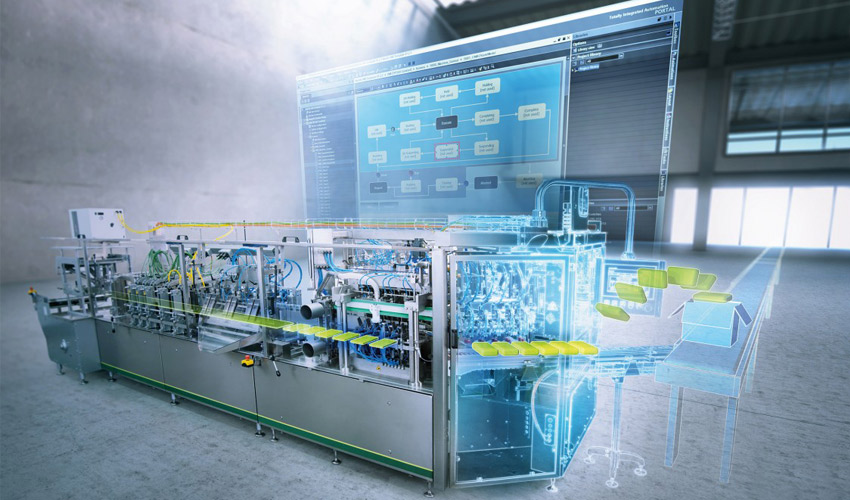
The year 2020 was eventful and unpredictable to say the least. However, the additive manufacturing industry adapted to these changes surprisingly quickly, and was able to stay afloat. If you remember, many of the needs in the healthcare sector were initially met through the efforts of users of 3D printing. On the other hand, global supply chains that relied on traditional methods suffered immensely during this time.
In a recent piece, we looked at the trends that shaped the industry in 2020. We noticed some trends were natural continuations of shifts that had started a few years ago, such as the growing move from prototyping to end-use applications, whilst others were newer. As we enter the 4th decade of 3D printing, and with recent events, we also enter a decade that has the potential for renewal. To wrap up 2020, we decided to get in touch with some important players in the field of AM to ask them about their vision of the state of 3D printing and their new year wishes. Make way for 2021!

AM showed it was a technology able to provide meaningful solutions to emerging challenges, including supply chain challenges.
Data-rich additive manufacturing: AI, process control, simulation software
DyeMansion, which raised $14M in 2020 for its AM finishing systems, understands the key position of post-processing in adding value to the AM process. CTO and Co-Founder Phillip Kramer explains: “Combined with further automation and innovations in the post-processing sector, 3D-printing is getting much closer to being recognized as a true industrial manufacturing technology. To realize the potential of those innovations, forming strong alliances between different solution providers is necessary.” Even today, many applications will fail because they are not able to meet repeatability requirements. Producing consistent part quality every single time is still a challenge. Kramer adds: “Hopefully, with more and more machines in the market and more data to be analyzed by AI-based algorithms, we can get closer to predictable part quality in 2021. When you combine new systems with intelligent process control, many applications will finally unlock in the years following 2021.”
More from the desk
Six other notes from the rest of the bench.
 PrintersRevopoint POP 2 Kickstarter Launched by RevopointAfter the success of the Revopoint POP 3D scanner, a cost-effective 3D scanner that is remarkable for its many features, Revopoint has now launched a Kickstarter for their latest scanner: the new Revopoint POP 2. The new scanner is set…
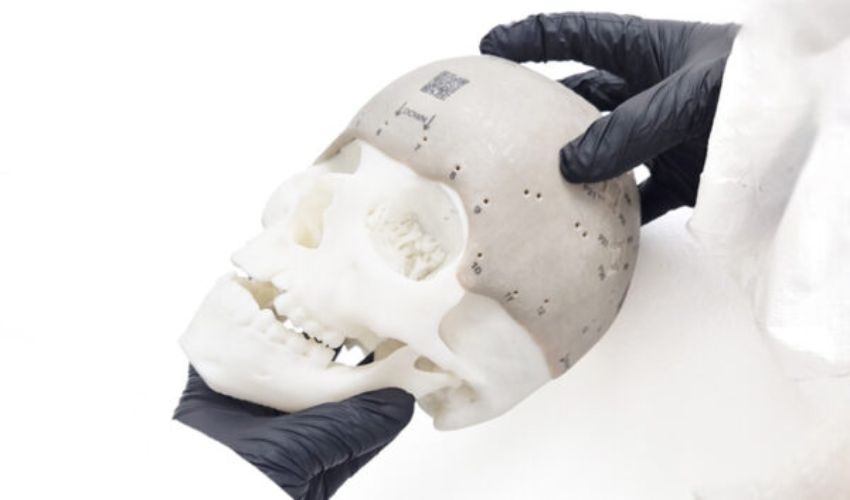 GuidesArcomedlab Develops the Largest 3D Printed Cranial Implant in the WorldThe applications of 3D printing in medicine are very varied. In this sector, we have seen great projects that make use of technology to improve the daily lives of patients and even save lives. Among these uses, we can find…
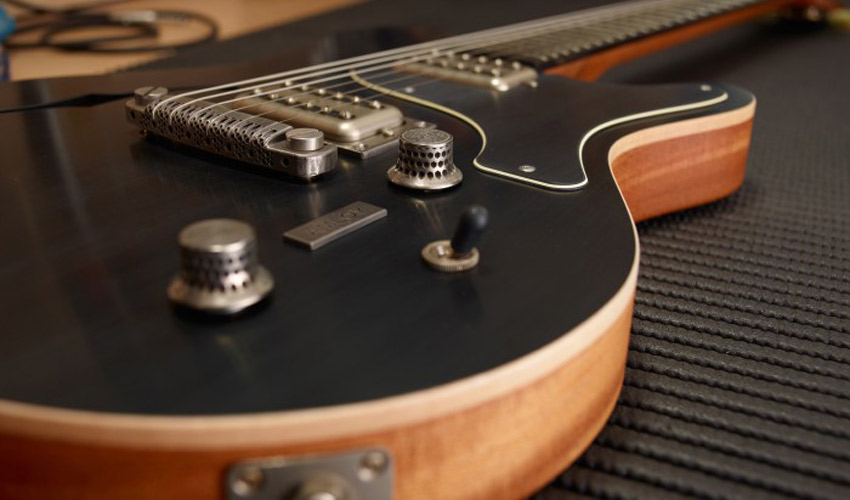 GuidesNik Huber Guitars rely on metal 3D printingNik Huber Guitars (NHG) is a company that has been building electric guitars for several years now. It has recently turned to additive manufacturing through a collaboration with Heraeus, a German company specializing in precious metals. Together, they have 3D…
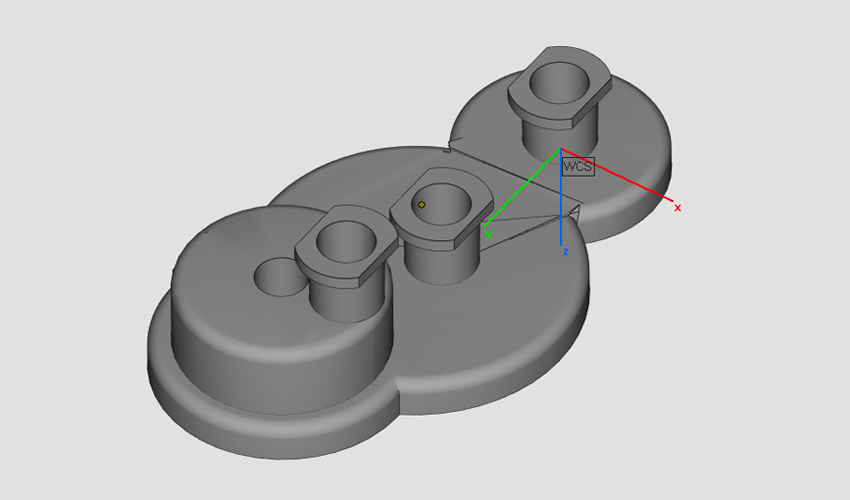 ApplicationsCan DLP Be Used in the Creation of Microfluidic Chips?Medical applications in 3D printing are vast and growing larger by the day. One that is increasingly important, but perhaps less discussed, centers on microfluidics. Microfluidic devices (microfluidic chips) have emerged over the past 30 years and have been rapidly…
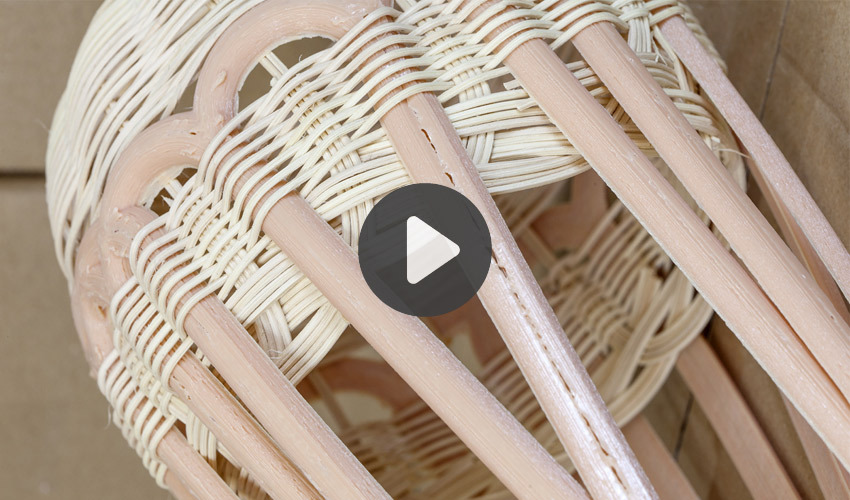 NewsTop 5 Videos: When Basketry Meets 3D Printing…The first video of our selection this week focuses on the Crossing Parallels project which examines the potential link between basketry and 3D printing. So how can 3D technologies help to take this craft skill to the next level? Designer…
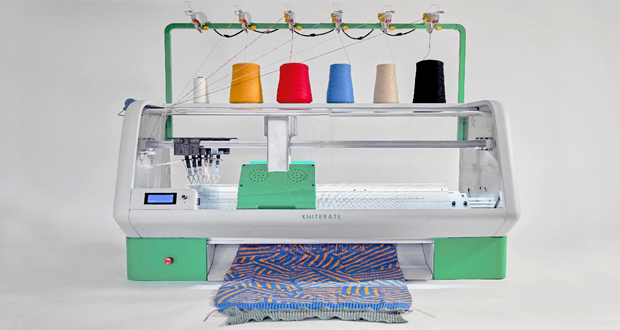 GuidesKniterate, the knitting machine inspired by 3D printingEver wanted to create your own clothing without limits? Well now you can thanks to Kniterate, a knitting machine that uses techniques similar to those found in 3D printing. The founders of this Spanish startup, Gerard Rubio and Triambak Saxena, were…