Applications
Is the EU Lagging Behind in 3D-Printed Medical Device Regulation?
Quite often here, we discuss the advances 3D printing is making in the medical sector. So, you may be surprised to learn that the European Union is lagging well behind other countries when it comes to regulation regarding 3D-printed devices…
- 3 min read
- Applications
- Six more stories
Quite often here, we discuss the advances 3D printing is making in the medical sector. So, you may be surprised to learn that the European Union is lagging well behind other countries when it comes to regulation regarding 3D-printed devices made for medical use. At least, this is according to researchers at the German FH Münster University of Applied Sciences, who proclaim that governing bodies in other countries have less ambiguity in regulatory language used to govern the use of 3D-printed medical devices. Ambiguity in regulatory language can result in a stunted market and increased cost for businesses.
The EU’s regulation of 3D-printed medical devices is covered by the European Medical Device Regulation (MDR), which regulates the nearly 500,000 types of medical devices available on the EU market. The scrutiny around the EU’s regulations for 3D-printed medical devices has risen to attention due to an exception made in the ordinance for “mass-produced devices which need to be adapted to meet the specific requirements of any professional user.” Which effectively means, medical products produced using additive manufacturing processes will not be considered custom-made.

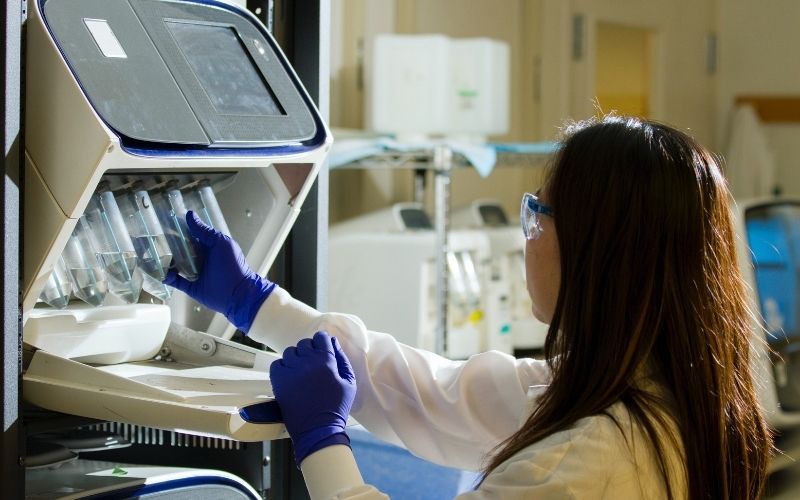
3D-printed medical device regulation is too ambiguous, according to German FH Münster University of Applied Sciences. (Photo Credit: Carl Campbell on Unsplash)
Regulation for 3D Printing Medical Devices
The largest claim being made by the FH Münster researchers is that a “medical device Q&A’ endorsed by the European Commission failed to clarify 3D printing’s role in the medical sector, and rather, made things more confusing. In the study that examines the regulatory language, the researchers uncovered conflicting statements specifically related to existing MDG regulations and the newly released Q & A “clarification” which now distinguishes between ‘patient-matched medical devices’ and ‘adaptable medical devices.’
More from the desk
Six other notes from the rest of the bench.
 PrintersInkbit raises $12 Million to industrialize its AM systemAs we’ve told you before, the startup straight out of MIT, Inkbit, is working towards overcoming traditional 3D printing constraints by giving its machines ‘eyes’ and a ‘brain’. Recently, the company managed to close a $12M equity financing round. The…
 NewsTop 5 Videos: SEAT invests in a 3D printing centerThis week we found the top 5 videos about 3D printing and the way additive manufacturing is changing production. The technology has infiltrated many sectors, from medical to automotive – check our selection of the week to keep up with the innovations! If you enjoy these, you&hell
 ApplicationsFrom Switzerland, the New Customized Cancer Therapy With a 3ntr 3D PrinterFDM 3D printing as the leader among new technologies is now used to investigate personalized treatments for breast and prostate cancer. 3D printing makes it possible to make fully personalized support and immobilization tools which are very important to ensure…
 ApplicationsNASA’s Perseverance rover carries 11 3D printed parts to MarsThe National Aeronautics and Space Administration, NASA, has been investing in 3D printing technologies for several years, by both manufacturing parts in-house and awarding contracts worth millions of dollars to external companies and institutions. Some of the examples include th
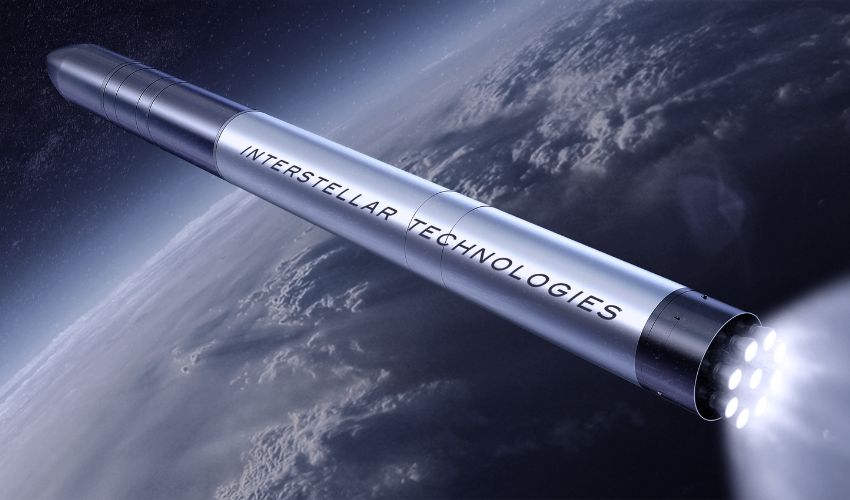 GuidesInterstellar Technologies Uses Additive Manufacturing to Accelerate Japan’s Space RaceSpaceX, NASA, ESA, Relativity Space, Blue Origin…what do these all have in common? Why they are all using additive manufacturing in the use of space exploration. And while you may notice that that that list includes many examples from Europe…
 NewsWhat to Expect at AMTC 2022?This year, for the fifth time, the annual Advanced Manufacturing Technology Conference (AMTC) will be taking place for all those interested in AM on October 11th and 12th on the campus of the Technical University of Munich (TUM). The event…