Printers
Researchers Develop ‘Faster and More Precise’ FFF 3D Printing Method
In a new study, researchers from Rutgers University have outlined what they claim to be a much faster and more precise FFF 3D printing process. The approach is named Multiplexed Fused Filament Fabrication (MF3) and involves a single gantry and…
- 3 min read
- Printers
- Six more stories
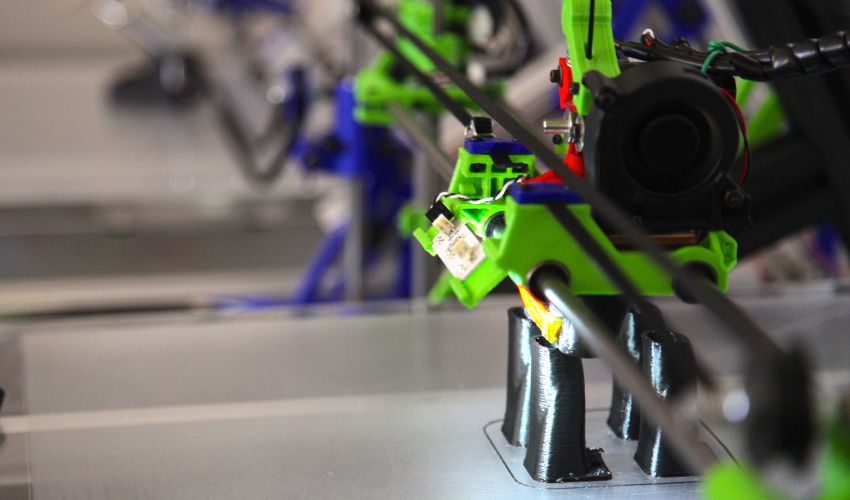
In a new study, researchers from Rutgers University have outlined what they claim to be a much faster and more precise FFF 3D printing process. The approach is named Multiplexed Fused Filament Fabrication (MF3) and involves a single gantry and a series of small nozzles rather than the single large nozzle traditionally used in FDM. Thanks to this, the authors claim that that they have been able to 3D print large and complex parts at a fraction of the cost of other 3D printing methods. Additionally, the method is notable for not only allowing them to significantly decrease printing time but also increase both printing resolution and size of parts.
The MF3 printing process was published in the research paper “Scalable, flexible and resilient parallelization of fused filament fabrication: Breaking endemic tradeoffs in material extrusion additive manufacturing” written by Jeremy Cleeman, Alex Bogut, Brijesh Mangrolia, Adeline Ripberger, Kunal Kate, Qingze Zou and Rajiv Malhotra. Within, the researchers explain that the MF3 technology works by printing concurrently with multiple FFF extruders without controlling each extruder motions individually. This is made possible by “using a new toolpath strategy that is rooted in our discovery of continuous filament retraction and advancement.”
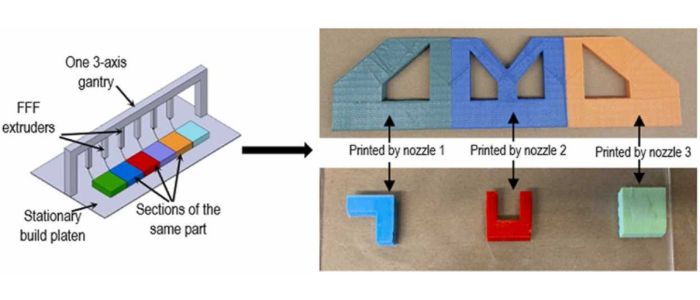
An abstract showing how the MF3 process works as well as the resulting prints (photo credits: Rutgers University)
The Importance of Software for the MF3 Process
One of the keys behind the successful of this new MF3 process is thanks to the software behind it. The researchers have developed their own slicer software in order to optimize the movement of the gantry arm. Furthermore, the software is capable of detecting which nozzles should be turned on or off for the greatest efficiency while printing. This also has as secondary benefit of potentially allowing for less down time for the printer. When a nozzle is clogged or not working, the software can turn it off and focus on other nozzles. In printers with just one nozzle by contrast, it would be necessary to turn off the machine.
More from the desk
Six other notes from the rest of the bench.
 NewsStratasys Enters the Powder Bed Fusion Market with its SAF ProcessStratasys, a historical player in additive manufacturing, has announced that it is officially entering the powder bed fusion market with a new patented process called Selective Absorption Fusion (SAF). This is a first for the Israeli-American giant, which until now…
 NewsCould a 3D Printed Device Be the Answer to More Powerful Cell Phones and WIFI?3D printing is already being used in incredible ways all over the globe. From bioprinting to 3D printing in construction, it seems that the applications for additive manufacturing are almost limitless. Now, researchers a team of engineers and scientists from…
 NewsAre 3D printed helmets becoming the norm?In the world of sports, additive manufacturing technologies can offer many benefits to athletes. Sporting equipment can be custom-made, geometrically more complex and made from smarter materials. Over time, manufacturers have understood the benefits of integrating 3D printing pie
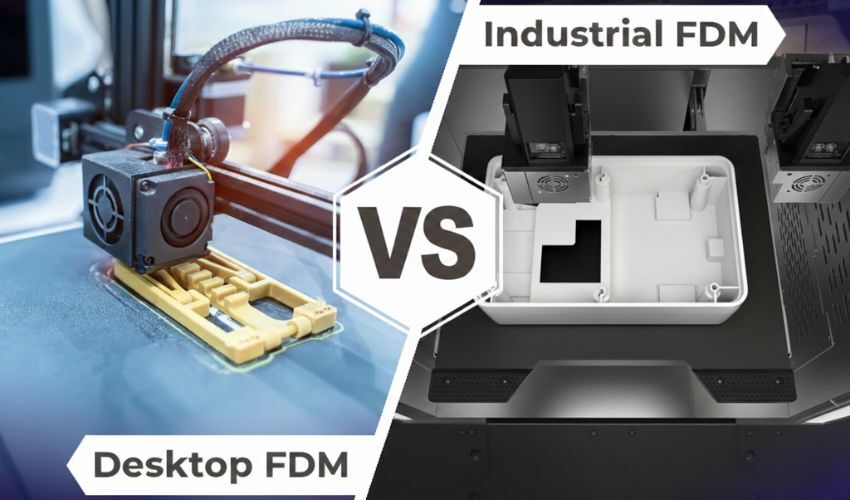 PrintersIndustrial VS Desktop FDM Printers: Is Industrial Worth the Investment?For years, a massive divide separated industrial and desktop FDM printers, defined by differences in accuracy, material compatibility, and cost. Today, desktop manufacturers are aiming to narrow that gap, and a new generation of “prosumer” machines from companies like
 NewsExOne announces membership in AMGTA, showing importance of sustainability in 3D printingExOne announced last week that it has joined the Additive Manufacturer Green Trade Association (AMGTA) as a founding member. The AMGTA, a non-profit global trade group, is devoted to the promotion of the environmental benefits of additive manufacturing (AM). With…
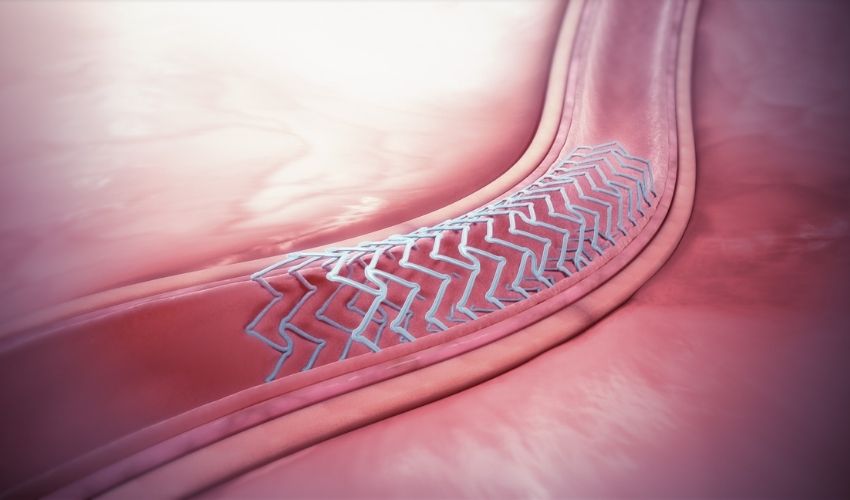 MaterialsBMF and 4D Biomaterials Make Micro-Scale Geometries with Bioresorbable MaterialsOne area in which micro 3D printing has been steadily gaining interest is in the medical sector. Thanks to the ability to create smaller and smaller parts, 3D printing enables customized medical devices for patients. Now, Boston Micro Fabrication (BMF)…