News
Could a 3D Printed Device Be the Answer to More Powerful Cell Phones and WIFI?
3D printing is already being used in incredible ways all over the globe. From bioprinting to 3D printing in construction, it seems that the applications for additive manufacturing are almost limitless. Now, researchers a team of engineers and scientists from…
- 3 min read
- News
- Six more stories
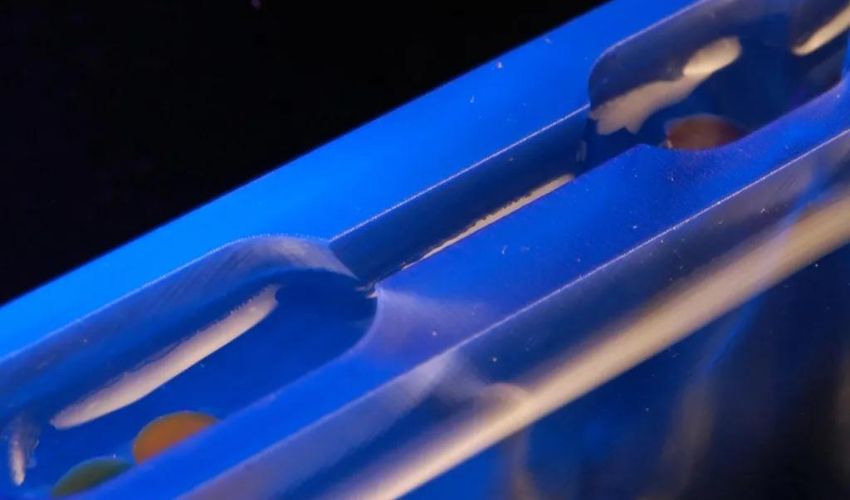
3D printing is already being used in incredible ways all over the globe. From bioprinting to 3D printing in construction, it seems that the applications for additive manufacturing are almost limitless. Now, researchers a team of engineers and scientists from Harvard John A. Paulson School of Engineering and Applied Sciences (SEAS) has found yet another possible use. They have developed a simple 3D printed device that they claim could be used to braid filaments that are only 1 micrometer in diameter. This could pave the way to making antennae to access higher and higher frequency ranges for the next generation of phones and wireless devices.
Though cell phones have only been in existence since the early 70s and WIFI since the late 90s, the demands of our increasingly globalized and online population has led to rapid advancements in the technology. WIFI for example is getting more powerful and faster with the top country for WIFI connectivity, South Korea, topping the list with speeds of up to 28.6Mbps. Similarly, over the past twenty or so years, we have seen cellphones move rapidly from large clunky phones that could handle minimum tasks, though internet access and email have been present since the early 2000s, to the sleek mini computers that people now carry in their pockets. However, if we want to advance even further, we need to be creating new antennae to access new ranges, but today’s industrial fabrication techniques will not work on fibers that are small enough to make them according to the Harvard team as they cannot be braided together. Enter 3D printing.
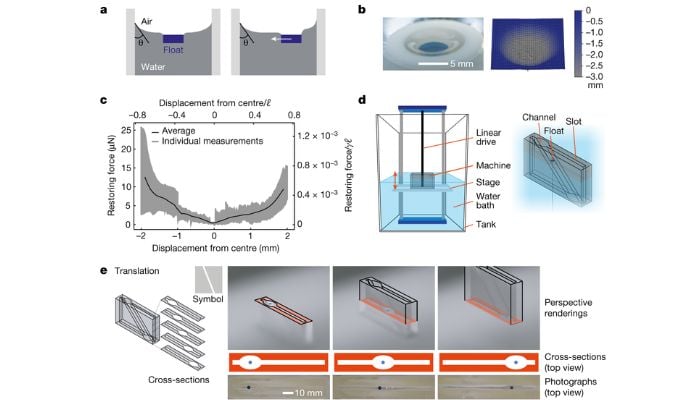
The team used 3D printed devices to manipulate microscopic objects through capillary forces as shown in these diagrams (photo credits: SEAS)
How Is 3D Printing Being Used?
For the scientists and engineers, the solution seemed deceptively simple, using the surface tension of water in order to grab and manipulate microscopic objects. To do this, the team turned to a machine that in essence is just a 3D printed plastic rectangle, about the size of an old Nintendo cartridge and whose interior was carved with intersecting channels. These channels are both wide and narrow, reminiscent of a river that expands in certain parts and narrows in other. The channel walls are also hydrophilic, meaning that they attract water. The team further mentions that the rectangle could be made simply, with a 3D printer found in a library, they themselves seemed to use an SLA 3D printer, though they do not mention a particular brand.
More from the desk
Six other notes from the rest of the bench.
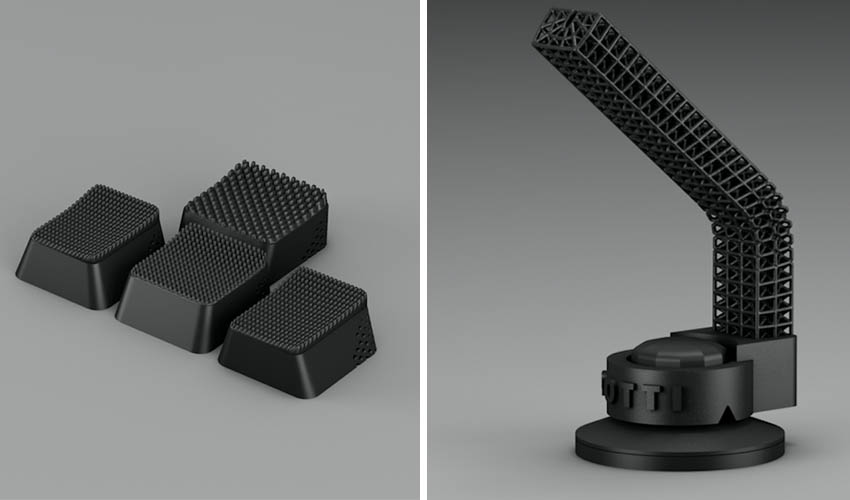 NewsUNYQ and IKEA launch 3D printed product line for gamersGiven there are around 2 billion gamers in the world, it was time to create some 3D printed pieces just for them. This is the aim of the new partnership between IKEA and UNYQ – to explore how personalisation and…
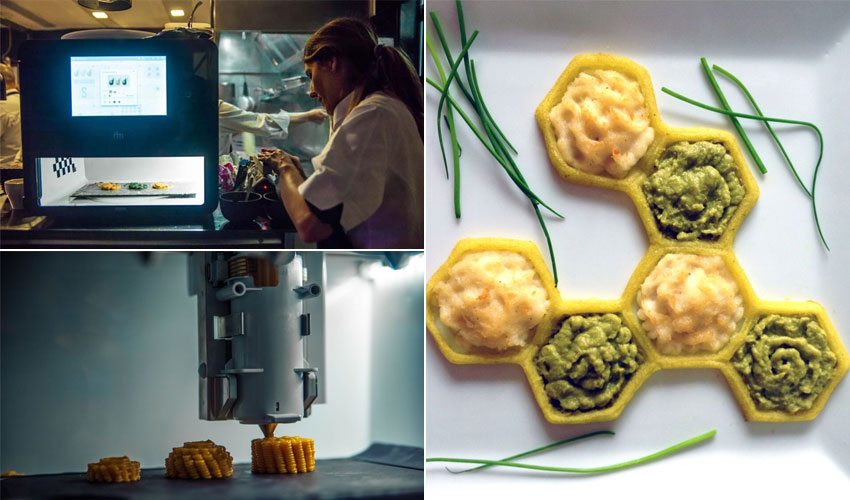 NewsA guide to 3D Printed Food – revolution in the kitchen?We all remember the Replicator, the Star Trek food manufacturer, able to turn any molecule into edible food and whole dishes. 3D food printing is able to make dishes from different pastes and materials, so it seems we are getting…
 NewsSiemens to invest £27m in a new 3D printing factorySiemens, a global technology company, is investing up to £27m in a 3D printing factory for Materials Solutions LTD in Worcester, UK, to create a global centre of excellence for additive manufacturing. The new building, set to open in September 2018, will…
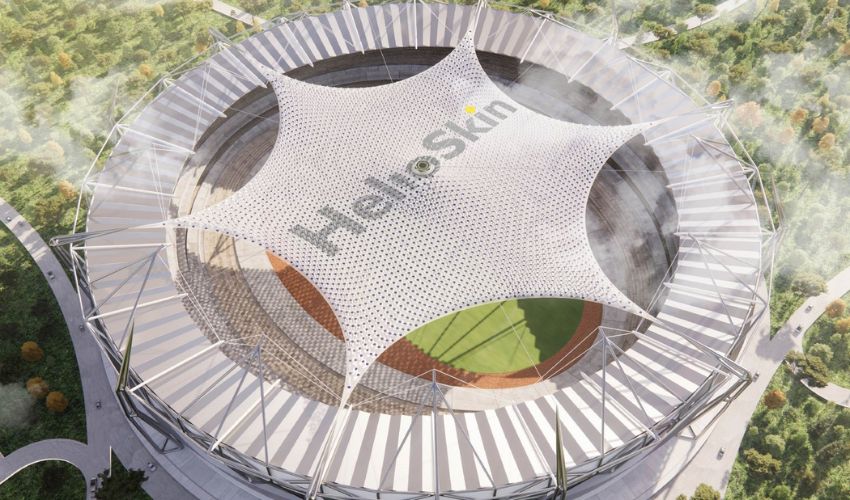 NewsHelioSkin: 3D Printed Adaptive Solar PanelsSolar panels as we know them are often flat, stationary, dark-colored panels that do not do much to add to the beauty of the environment. This limits where they can be placed and can discourage people from installing them. That…
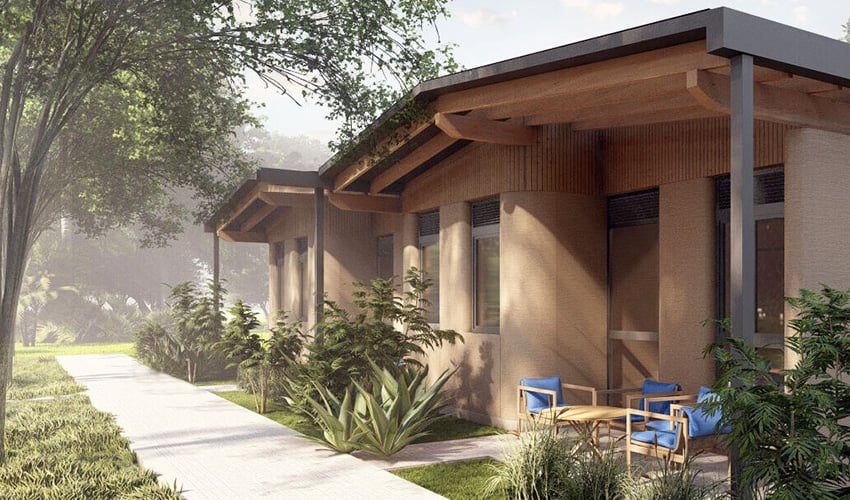 News14Trees Announces the Construction of 10 Kenyan 3D Printed Houses in 10 weeksIn the world today, many countries have entered a sustainable phase of aging. This means that life expectancy is increasing year after year, and the elderly population continues to grow. In contrast, some regions are experiencing a population explosion. This…
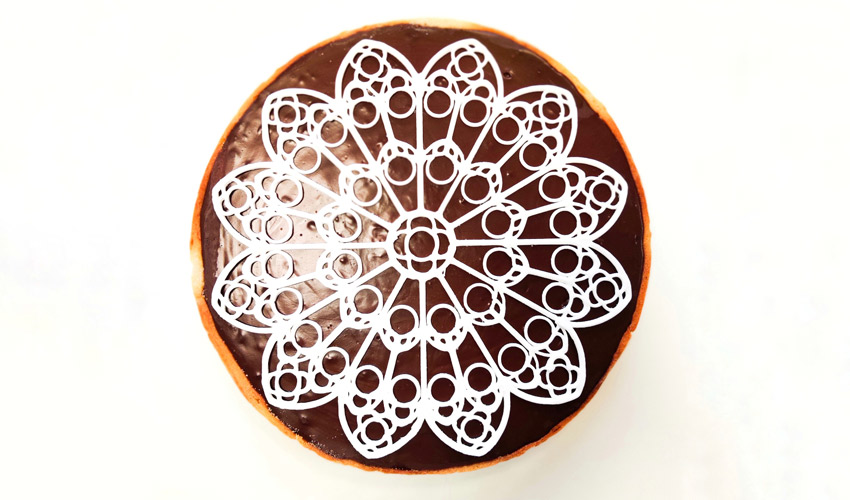 NewsLa Pâtisserie Numérique develops a slicer for food 3D printing3D printing food presents a number of challenges even though it allows to create more complex shapes and geometries, adding originality to dishes. Marine Coré Baillais has set herself the goal of meeting these challenges by launching La Pâtisserie Numérique.…