News
Brazilian Researchers Use Bioprinting to Make a Small Liver in 90 Days
Brazilian researchers, based in São Paulo, claim to have used bioprinting to make liver spheroids – miniature versions of the liver – from human blood cells. These miniature organs are said to perform all the functions expected of them, namely…
- 3 min read
- News
- Six more stories
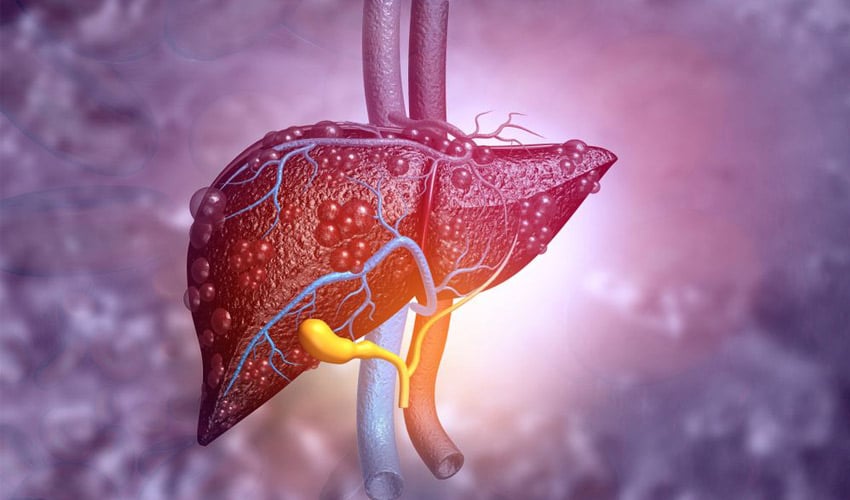
Brazilian researchers, based in São Paulo, claim to have used bioprinting to make liver spheroids – miniature versions of the liver – from human blood cells. These miniature organs are said to perform all the functions expected of them, namely the production of vital proteins, the storage of vitamins and the secretion of bile. Liver tissue has been obtained in 90 days: a breakthrough that could become an alternative to organ transplantation, which sometimes takes too long due to a lack of donors.
In the field of bioprinting, all the attention is focused on the creation of functional organs: it is worth noting the progress made this year, notably by Dr. Tal Dvir’s team, which succeeded in bioprinting a heart composed of blood vessels and tissues. The challenge now is to keep these organs alive over time. One of the first companies to look into bioprinting liver tissue was Organovo. Brazilian researchers are now joining the race with their 3D printed mini-livers.
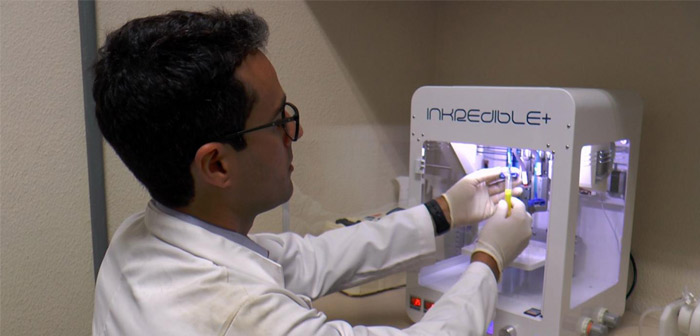
The team would have succeeded in creating a small liver by bioprinting | Credits: Daniel Antonio/Agência FAPESP
Conducted at the Human Genome and Stem Cell research center hosted at the University of São Paulo, the study is the result of a combination of several bioengineering techniques such as pluripotent stem cell culture and cell reprogramming with bioprinting. The researchers used the Inkredible bioprinter from Cellink, one of the industry’s leading manufacturers, to create their liver tissue. What is different from the other work done so far is that the cells were pooled in the bioink before being extruded. Ernesto Goulart, co-author of the study, explains: “Instead of printing individualised cells, we developed a method for grouping them before printing. These clusters of cells, or spheroids, make up the tissue and maintain its functionality much longer.” This method avoids the gradual loss of contact between cells and thus the loss of functionality of the tissues.
More from the desk
Six other notes from the rest of the bench.
 Guides3D Printed Houses: A Closer Look at Completed Projects from Around the WorldAs you may know, additive manufacturing is becoming increasingly important in the construction market. The new technologies make it possible to create more complex shapes, build walls faster, and reduce labor costs. Many construction companies have already started to 3D…
 ApplicationsWimba 3D on Printing Highly Personalized Orthopedic Solutions for Pets3D printing is increasingly being used in the medical industry for numerous applications. Among the main reasons are undoubtedly the flexibility, speed and customization possibilities offered by the technology. Prosthetics, orthotics, custom-made medicines-and much more. However,
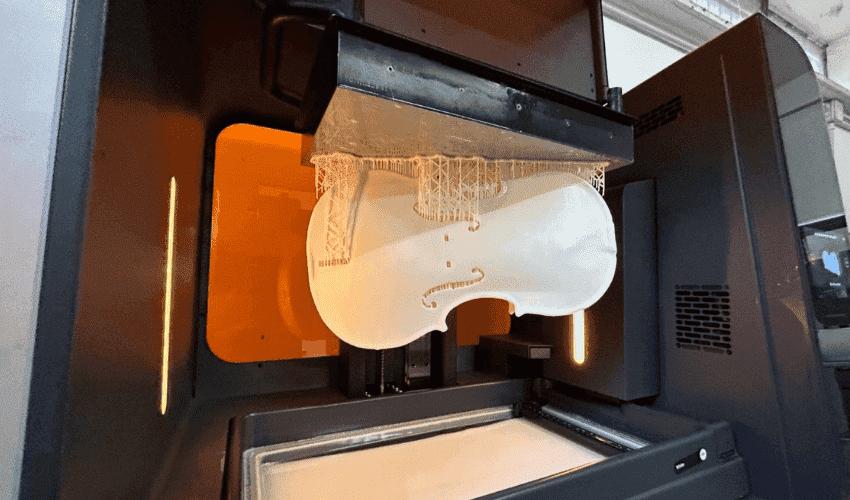 NewsThe 3D Printed Paganini Violin Will Bring History to Life for Music LoversNamed “The Devil’s Violinist,” Niccolò Paganini left an indelible mark on music history. Using his iconic Il Cannone violin crafted by Guarneri “del gesù,” he delivered intricate melodies with unmatched precision. His legacy endures, now to be illumi
 Applications3D Printed Human Skin Equivalents Help Identify Potential HSV TreatmentsHerpes Simplex Virus (HSV) is estimated to infect 64% of the world’s population, according to the World Health Organization. The virus causes oral and genital herpes, and while it can be asymptomatic, it can also cause painful flare-ups and make…
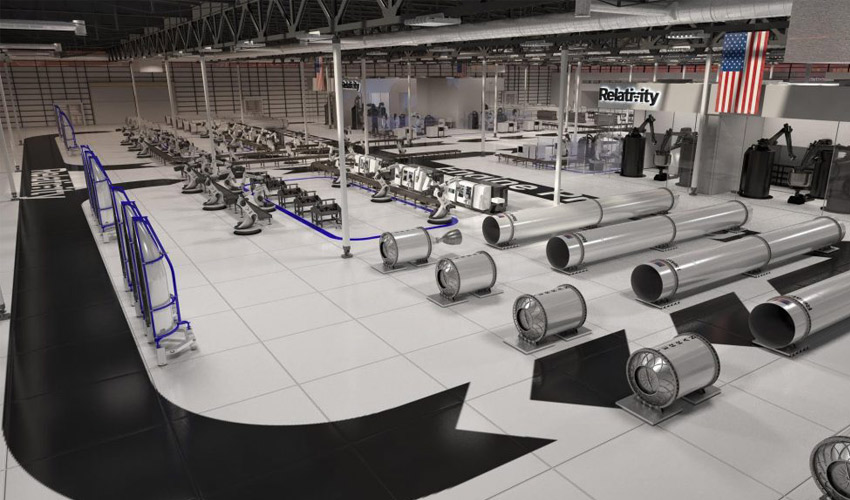 ApplicationsRelativity takes over NASA facility to set up 3D printing rocket factoryRelativity, the world’s first autonomous rocket factory and launch services leader announced at the beginning of June that it secured an agreement with the National Aeronautics and Space Administration (NASA). The company will install part of its production at one…
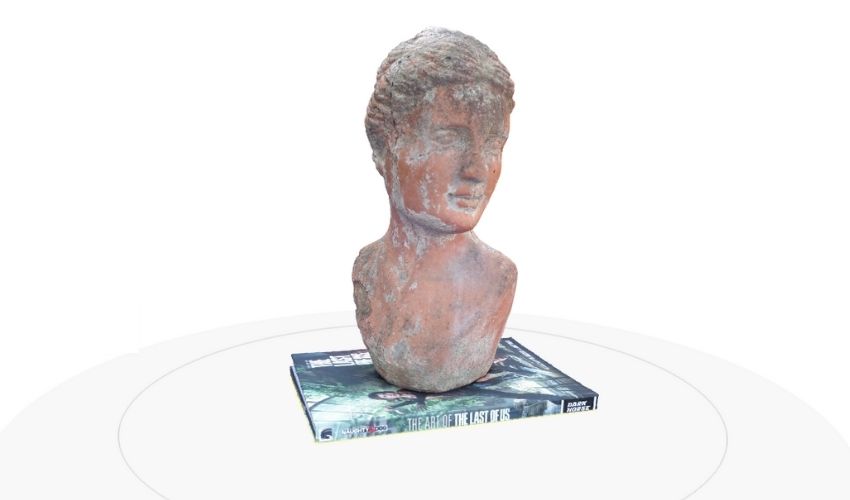 SoftwarePhotogrammetry: What is it and How is it Used in 3D Printing?Photogrammetry is a technique for obtaining reliable data from real-world objects in the their natural state by creating 3D models from photographs. 2D and 3D data is extracted from an image and, thanks to overlapping photos of the object, building…