Applications
Relativity takes over NASA facility to set up 3D printing rocket factory
Relativity, the world’s first autonomous rocket factory and launch services leader announced at the beginning of June that it secured an agreement with the National Aeronautics and Space Administration (NASA). The company will install part of its production at one…
- 3 min read
- Applications
- Six more stories
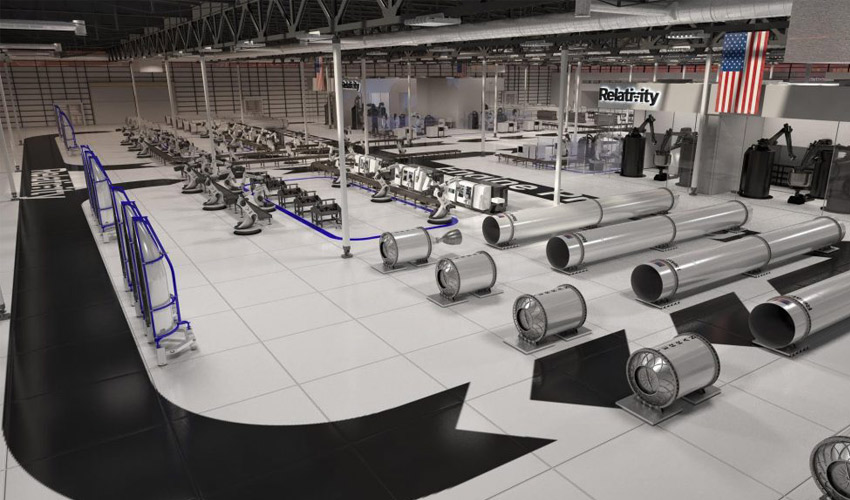
Relativity, the world’s first autonomous rocket factory and launch services leader announced at the beginning of June that it secured an agreement with the National Aeronautics and Space Administration (NASA). The company will install part of its production at one of NASA’s site to benefit from more than 20,000 square meters to launch its rockets into space by the end of 2020. Above all, this merger will enable Relativity to accelerate the development of its rockets and gain flexibility in its manufacturing process. This is good news for the aerospace sector and confirms that additive manufacturing has more than ever a card to play.
3Dnatives interviewed the startup last year and we discovered a company full of ambition. Thanks to its metal 3D printing system and various investments that now amount for $45 million, the startup is right to be ambitious. The company states that more than 95% of the rocket components are designed using 3D printing technologies and that it should be able to design an entire rocket in only 60 days. It is now located in a former NASA building in New Orleans and benefits from numerous infrastructures that should boost its productivity, such as overhead cranes. Relativity is expected to install its robotic arms and test center for the Terran 1 rocket there.
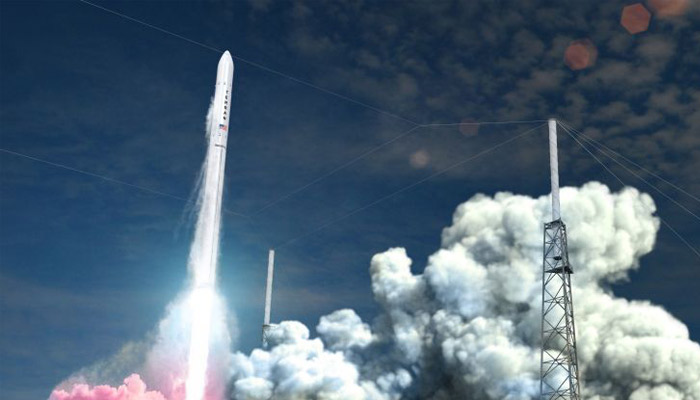
The first tests for the Terran 1 | Credits: Relativity
With this new printing center, Relativity should be able to accelerate the creation of its rockets. As a reminder, the Californian company had succeeded in reducing by 100 the number of components required to manufacture a rocket using their Stargate robotic arm. Tobi Duschl, Vice President of Relativity Operations added, “The agreement with NASA will accelerate our development. This large space will allow 12 to 24 Terran rockets to be produced each year, with more flexibility and a shorter launch time.”
More from the desk
Six other notes from the rest of the bench.
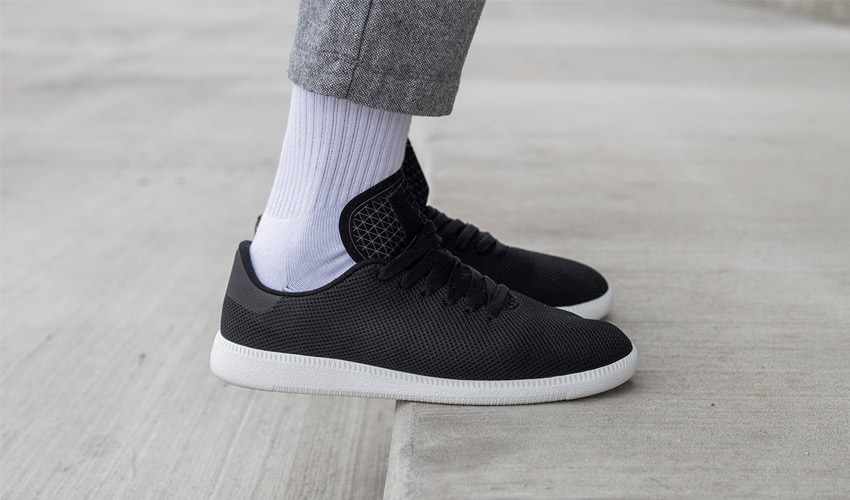 NewsPhoenix, the 3D printed trainers from plastic wasteA few days ago, the Oliver Cabell brand presented its first pair of 3D printed trainers made from recycled plastic bottles. Baptized Phoenix, these shoes were designed to address the growing problem of plastic waste. It is the upper part…
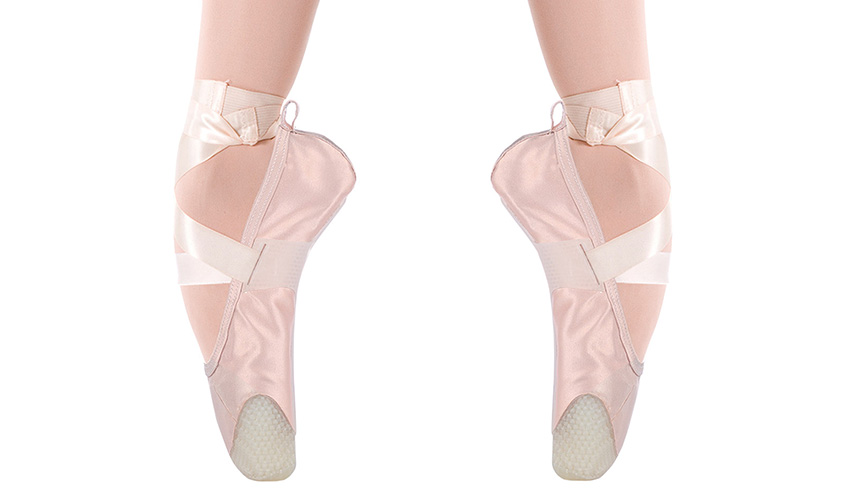 NewsP-Rouette, the 3D printed ballet slippersP-Rouette is the new invention of Hadar Neeman that should interest more than one ballet dancer. He has created 3D printed ballet slippers. This young graduate of the Academy of Art and Design of Bezalel has found the solution to most…
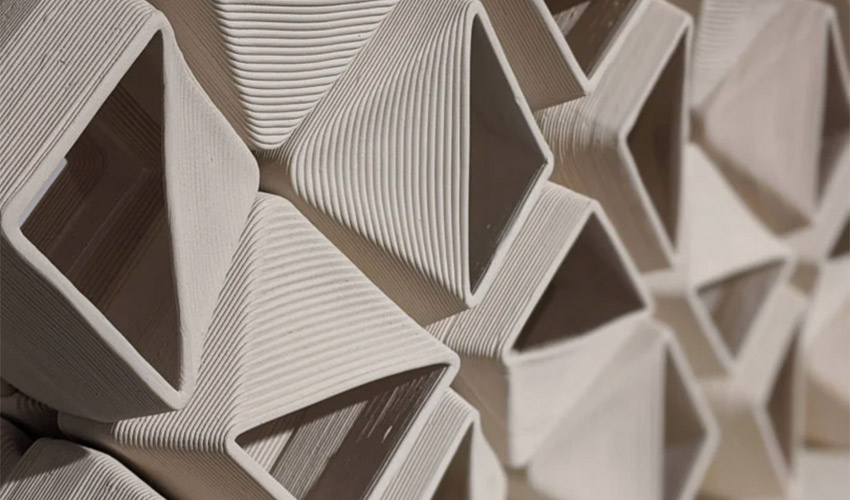 News3D printed ceramic blocks for a natural ventilation systemBat el Hirsh is a young artist who used ceramic 3D printing to design her new architectural work called Earthenwind. The project consists of 3D printed ceramic blocks assembled together to form a kind of giant screen, protecting from the…
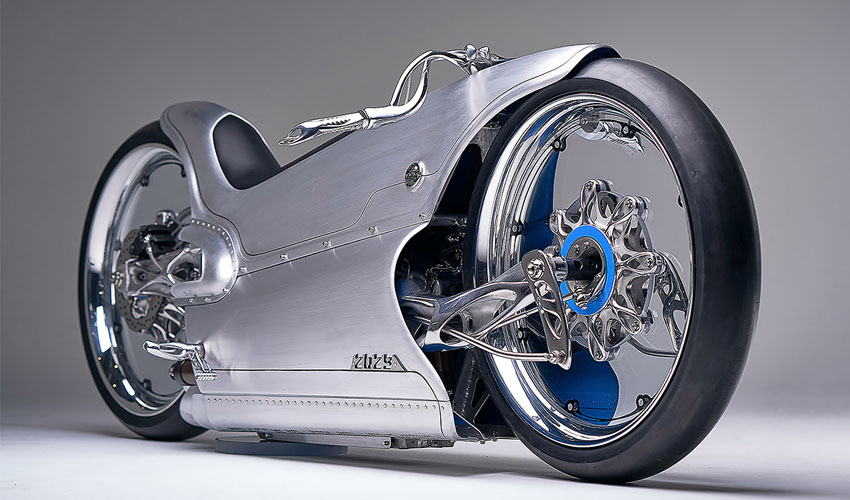 NewsFuller Moto’s 2029 electric motorcycle combines metal 3D printing and traditional manufacturingBased in Georgia, the American Fuller Moto is one of the leading workshops for the design and customisation of cars and motorcycles. It offers, in addition to this expertise and passion, a real education to its customers, whatever their profile.…
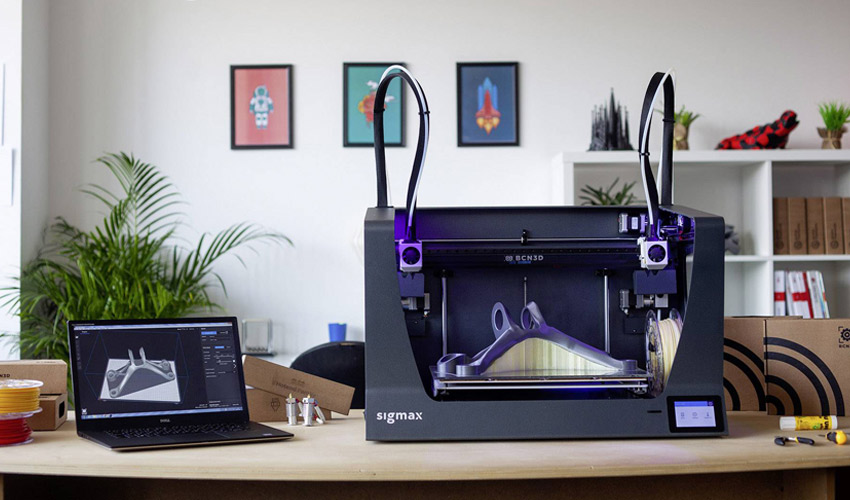 News3Dnatives Lab: Testing the BCN3D Sigmax R19Based in Barcelona, the manufacturer BCN3D Technologies was born in 2012, at the Polytechnic University of Catalonia. Initially offering KIT machines, the Spanish manufacturer has professionalized its range of machines over the years, and unveiled at the end of 2018…
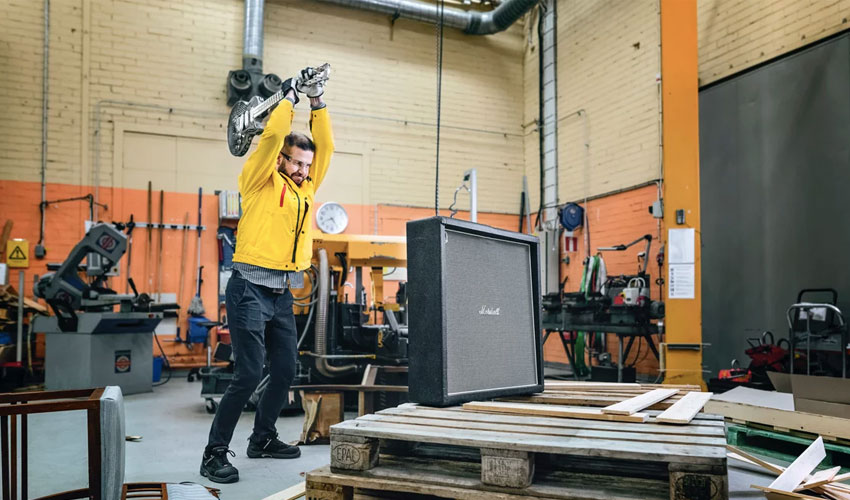 NewsUnsmashable 3D printed guitar imagined by SandvikSandvik, an expert in metal additive manufacturing, has developed an original 3D printed guitar: it is apparently unbreakable. No matter how much force the musician uses to smash it against the ground, it should not break. Guitar smashing, which began…