Applications
Redwire Has 3D Bioprinted the First Human Knee Meniscus in Space
When it comes to innovation in outer space, additive manufacturing is on the front lines as we continue to push boundaries while exploring the final frontier. Indeed, the flexibility and ability to produce locally are two of the main reasons…
- 3 min read
- Applications
- Six more stories
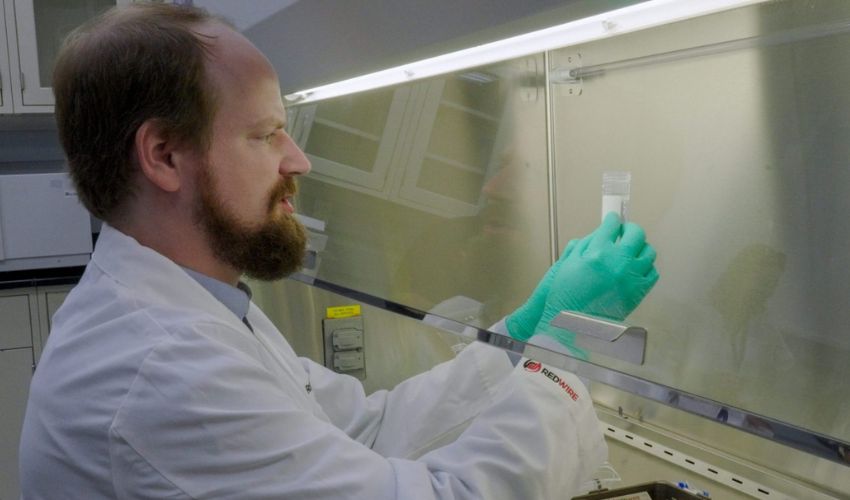
When it comes to innovation in outer space, additive manufacturing is on the front lines as we continue to push boundaries while exploring the final frontier. Indeed, the flexibility and ability to produce locally are two of the main reasons why the technologies have been adopted for space exploration with applications ranging from 3D printed habitats to food. Now we have yet another project to include. Redwire has announced that it has successfully 3D bioprinted the first human knee meniscus in orbit. This was done in the 3D BioFabrication Facility (BFF) on the International Space Station (ISS). The part was made as part of the larger project BFF-Meniscus-2 in conjunction with The print was conducted as part of the BFF-Meniscus-2 Investigation with the Uniformed Services University of the Health Sciences Center for Biotechnology (4D Bio3). 4D Bio3 is a biomedical research center exploring adapting biotechnologies specifically for warfighter benefit, including of course bioprinting.
Redwire is no stranger to research on the ISS. They have developed 20 research facilities for the ISS with 10 currently operating on the station. This includes work into seeing whether regolith can be used to 3D print structures on the Moon and Mars. Additionally, it is actually the second time that they have worked on making a 3D bioprinted knee meniscus, in 2019 the BFF 3D printed a meniscus-shaped scaffold using bioink derived from human tissue proteins. But this experiment will be the first time that a full human knee meniscus has been bioprinted in space using living cells. The company hopes that it will open the door to improved treatments for meniscal injuries which aren’t just one of the most widespread knee injuries worldwide but also one of the most common injuries for U.S. service members.
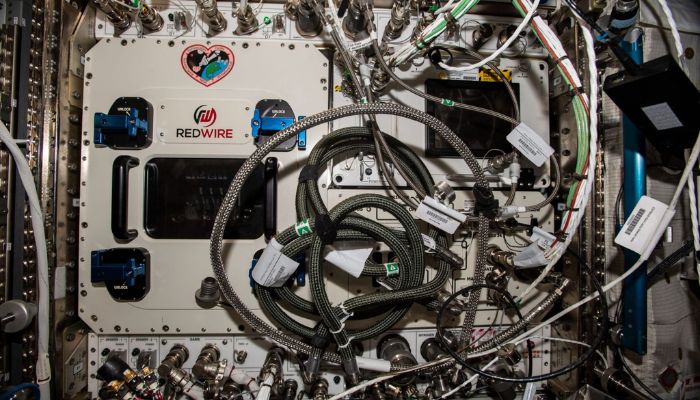
The 3D bioprinted meniscus was done on Redwire’s special bioprinter which was recently installed on the ISS
Making the 3D Bioprinted Meniscus
As mentioned, meniscal injuries, and most specifically torn menisci, are some of the most common knee injuries. Considering that the two menisci in the knee work as shock absorber in the knee, this can be a real issue. Especially as symptoms often involve the catching or locking of the knee joint as well as the inability to fully extend or bend it. This is why Redwire believes this incredible milestone could have considerable implications for human health even on Earth.
More from the desk
Six other notes from the rest of the bench.
 ApplicationsChina 3D Prints First PEEK Clavicle ImplantThe medical team at Kunming Medical University Hospital in China, in collaboration with the company IEMAI 3D successfully transplants the first clavicle printed in 3D with PEEK. What does this milestone mean for the medical sector? How important is the…
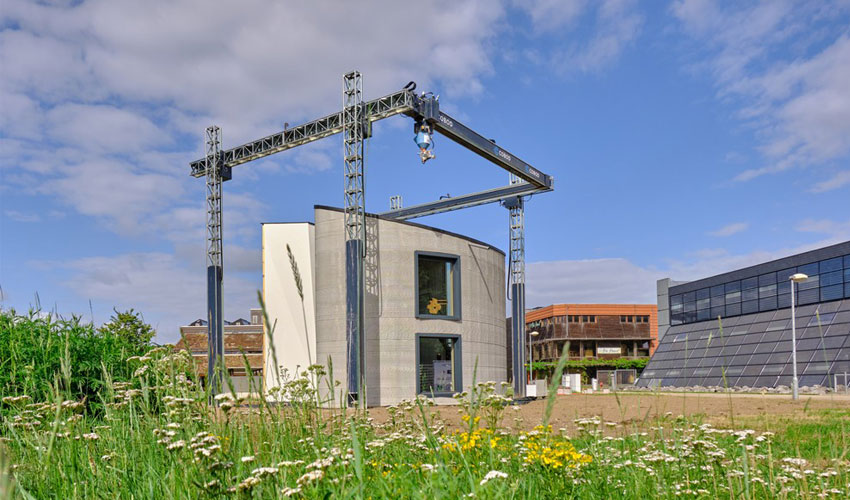 NewsA house 3D printed in a single block in BelgiumIn Belgium, a two-storey house has just been erected thanks to additive manufacturing: using the concrete 3D printer BOD2, developed by COBOD, the Kamp C company was able to construct a 90 square meter structure in only three weeks, and…
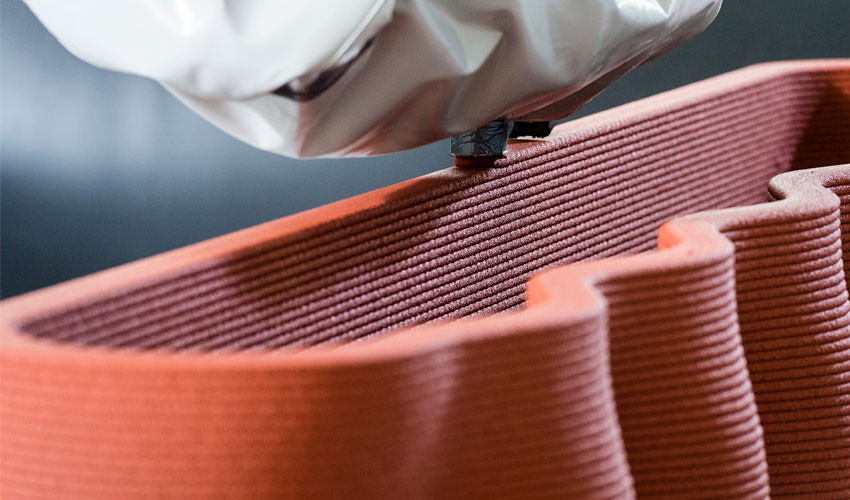 GuidesMeeting with Sika, specialist in concrete 3D printing3D printing applied to the construction sector offers many advantages, whether in terms of cost, time or durability of materials. The actors who have embarked on concrete additive manufacturing are more and more numerous, convinced of the benefits that 3D…
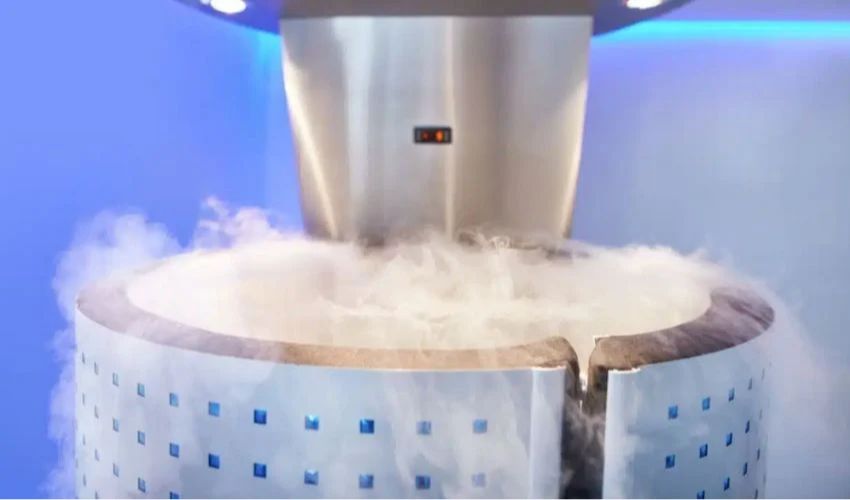 GuidesKicmed Turns to 3D Printing to Develop an Innovative Cryotherapy SolutionThe medical industry in France is constantly innovating to improve healthcare, enhance patient comfort, and make practitioners’ daily lives easier. One of the latest gems we’ve discovered is Kicmed, a startup based in the Nantes region. The company has developed…
 Guides#Working3D: Six Questions for a 3D Printing Patent ExaminerIn our #Working3D series of articles, we analyze the different professions in the additive manufacturing industry. In this latest edition, we had the opportunity to learn more about the field of work related to 3D printing patents. More specifically, we…
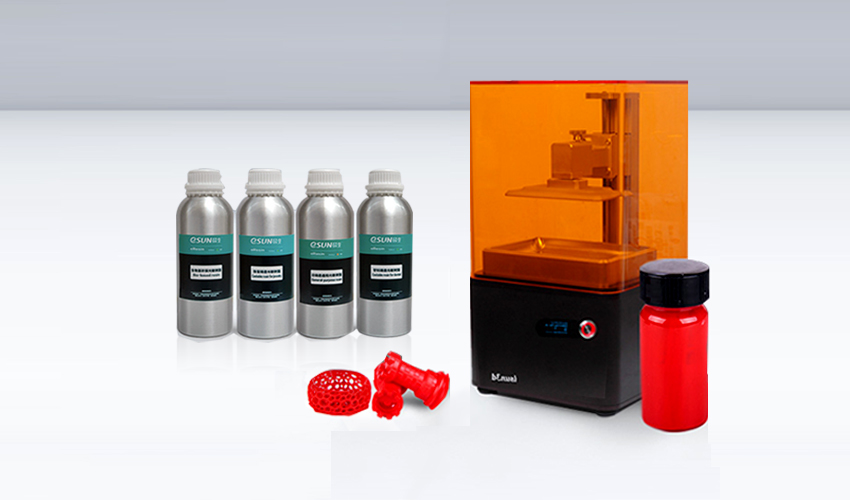 Printers3Dnatives Lab: Testing the Isun3D L120 from eSunBest known for its range of filaments for FDM 3D printers, the Chinese company eSun recently entered the resin 3D printing market with the Isun3D L120, a machine at a price below 1,000€ ($1,130)! This is one of the selling…