Guides
Kicmed Turns to 3D Printing to Develop an Innovative Cryotherapy Solution
The medical industry in France is constantly innovating to improve healthcare, enhance patient comfort, and make practitioners’ daily lives easier. One of the latest gems we’ve discovered is Kicmed, a startup based in the Nantes region. The company has developed…
- 3 min read
- Guides
- Six more stories
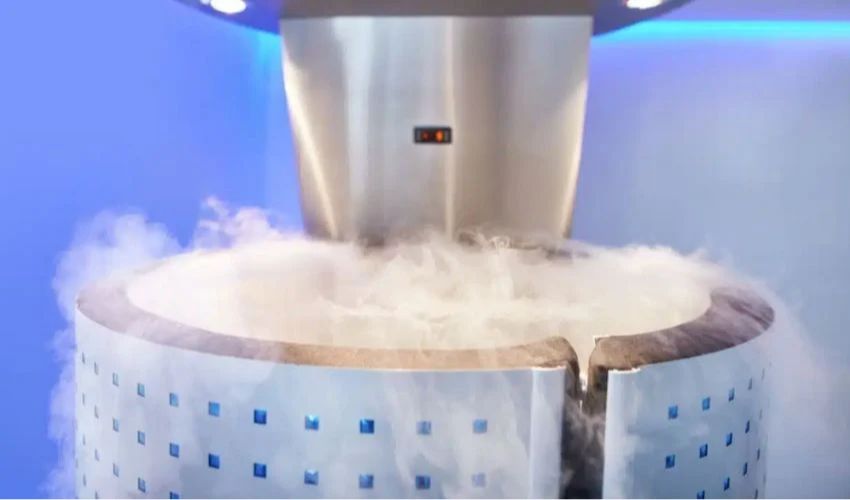
The medical industry in France is constantly innovating to improve healthcare, enhance patient comfort, and make practitioners’ daily lives easier. One of the latest gems we’ve discovered is Kicmed, a startup based in the Nantes region. The company has developed a medical cryotherapy device — and we’re talking about it today because it integrates additive manufacturing! In fact, the system relies on a 3D-printed silicone sleeve. Cryotherapy is a treatment that involves exposing an area of the body, or even the whole body, to very low temperatures to promote healing. We met with the Kicmed team to learn more about how the device works and the role 3D technologies played in its development.
3DN: Can you tell us about Kicmed?
Kicmed is a Nantes-based startup developing a medical cryotherapy device with intermittent compression for therapeutic use. Our team consists of seven partners, each bringing expertise in healthcare, industry, quality, or risk management. We design and develop both the cooling module and the sleeve in-house. Everything is 100% made in France and fully compliant with European environmental and health standards. 3D printing is used to design the sleeve.

The Kicmed team (Photo credits: Kicmed)
3DN: How did Kicmed come about?
Kicmed was born from a meeting between a hospital director, an engineer, and a surgeon. The surgeon was already using cryotherapy for his post-operative patients to provide greater comfort, reduce the need for painkillers, and promote faster recovery with fewer complications, thanks to its anti-edema, anti-inflammatory, and analgesic effects. However, existing devices were not very ergonomic and relied on ice, meaning the temperature was difficult to control and the risk of burns remained. He also wanted to add compression to improve blood circulation. From there, the idea took shape, evolved, and the challenge was met.
More from the desk
Six other notes from the rest of the bench.
 ApplicationsChina reveals plans to build 3D printed base on moonColonising space with additive manufacturing? China reveals its plans to be the first country to establish a 3D printed base on the moon. China plans to 3D print on the moon It’s the China National Space Administration (CNSA) which announced…
 SoftwareMeshMixer, the Free Surface 3D Modeling SoftwareMeshMixer is one of the free 3D software programs provided by Autodesk, which offers several interesting features to help users in not just modeling but also in 3D printing processes. Available on Windows and Mac OS, version 3.5 of MeshMixer…
 ApplicationsSee-Shell: 3D printed transparent skull to ‘see’ how the brain worksAt the University of Minnesota, researchers have developed a unique 3D printed transparent skull implant for mice. The skull named the See-Shell can be used to view real-time activity on the brain surface and could provide new insights for human…
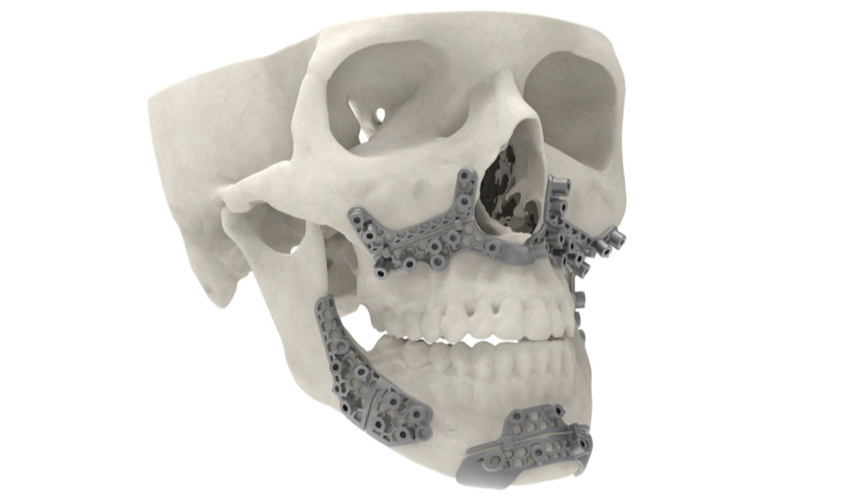 Applications3D Systems Announces All New VSP Hybrid Surgical Guides3D Systems has just announced their latest enhancement to their VSP surgical planning portfolio. The all new VSP Hybrid Guides will deliver a breakthrough patient-specific, occlusal-based solution for maxillofacial surgeries. By combining nylon and titanium guides the new enhance
 NewsTop 5 Videos: DAMM 2020, the largest virtual AM show is coming up…This week we found the top 5 videos about 3D printing and the way additive manufacturing is changing production. The technology has infiltrated many sectors, from medical to automotive – check our selection of the week to keep up with the innovations! If you enjoy these,…
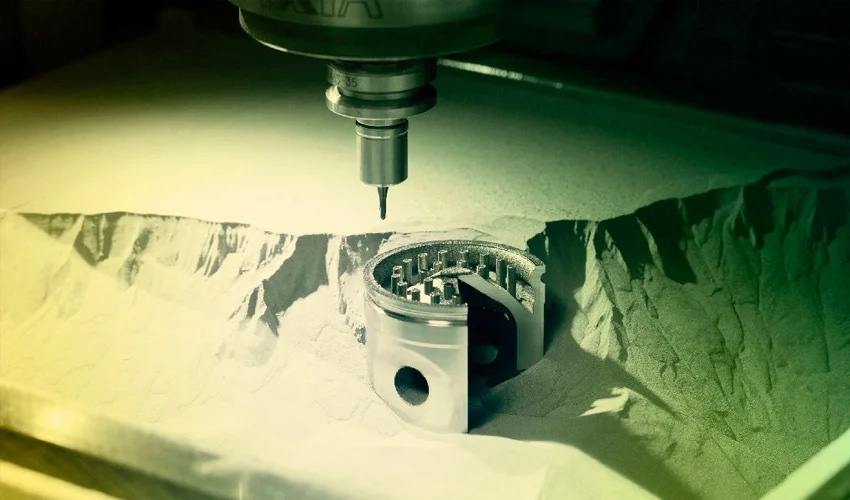 NewsHow to Combine Additive and Subtractive Manufacturing in Production? Experts Give Their Advice!In recent years, the combination of additive and subtractive manufacturing has gained in popularity, making a significant impact worldwide. Thanks to a number of technological advances, there are a wide variety of industries already benefiting from so-called “hybrid manufac