News
Rapid prototyping: why rely on 3D printing?
Rapid Prototyping, a high-demand segment of additive manufacturing A recent study from Dimensional Research, sponsored by Essentium revealed that prototyping remains the most widely spread application for 3D printing technologies as of today. Additionally, the report revealed tha
- 3 min read
- News
- Six more stories
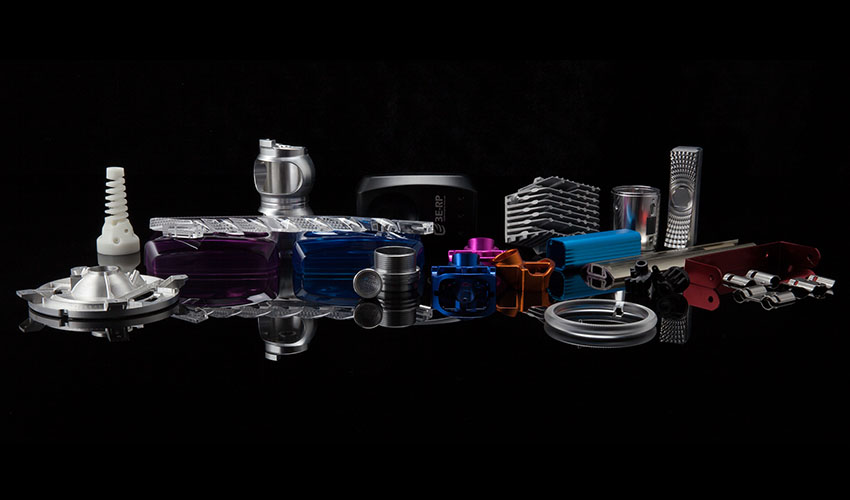
Rapid Prototyping, a high-demand segment of additive manufacturing
A recent study from Dimensional Research, sponsored by Essentium revealed that prototyping remains the most widely spread application for 3D printing technologies as of today. Additionally, the report revealed that the AM industry is slowly changing and will steadily adopt additive manufacturing for mass-production of parts. Despite the increase in this latter segment, the need for simple and rapid prototyping was predicted to remain more or less steady for the next 5 years. So, why is it such an important segment within the additive manufacturing industry? Firstly, rapid prototyping is a group of techniques used to quickly manufacture a scale model of a physical part. Usually when we think of rapid prototyping, we think of 3D printing. The technology demonstrates many advantages over traditional manufacturing methods in terms of cost, timing and design options. However, other techniques exist such as CNC machining, vacuum casting and injection molding.
The Chinese company, 3E Rapid Prototyping (3ERP) specialises in providing rapid prototyping and low-volume production services for a wide-range of industries including automotive, medical device, aerospace, consumer and commercial products. We spoke to the CEO of the company, Ronan Ye who explained that the company can deliver 1 to 1000+ metal or plastic parts globally as fast as ten days. The demand for rapid prototyping services is coming from all industries for all types of parts and using all types of technologies: “Innovations in CNC machining, additive manufacturing and casting technologies are giving companies and consumers an unprecedented level of design options,” said Ronan Ye.
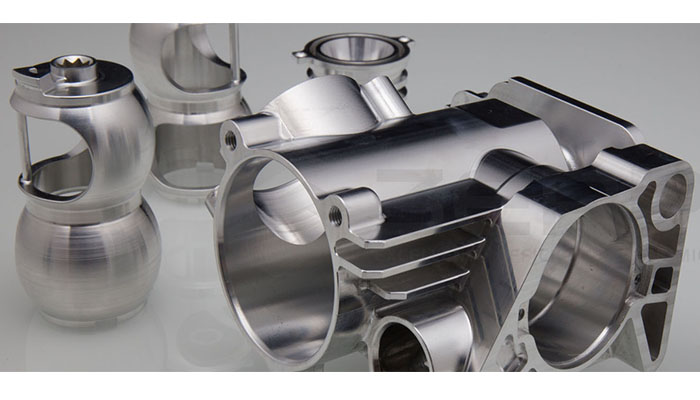
CNC parts | Credits: 3ERP
The different technologies for rapid prototyping
The two main technologies for prototyping, namely 3D printing and CNC machining could appear like complete opposites. One is subtractive, whilst the other is additive, but both are compatible with a wide-range of materials (from plastics to metals). Additionally, they work well together. This is why some additive manufacturing solutions on the market today integrate CNC mills that can handle the post-processing required by most 3D printers. In its latest report, 3ERP revealed that automotive, aerospace and metal fabrication companies are the most prominent users of automated, subtractive machining technologies. “The automotive industry is most likely to maintain its dominance in CNC usage. Innovation, the need for quick production and better quality are the main factors propelling it forward, not just in the production of cars, but also in the defence and aerospace industries”, explained Ronan Ye.
More from the desk
Six other notes from the rest of the bench.
 NewsRedwire acquires Made In Space to transform global space economyMade In Space is a pioneer in in-space manufacturing and assembly technologies. Last October, we covered its announcement to send the first commercially-developed plastic recycling facility to the International Space Station (ISS). Named the Braskem Recycler, this machine convert
 GuidesThe Faces of Additive Manufacturing: Terry WohlersAfter Avi Reichental, Hanan Gothait, and Gil Lavi we continue our series on additive manufacturing personalities with Terry Wohlers. The well-known additive manufacturing expert has been active in the industry for over 30 years and is the man behind the famous…
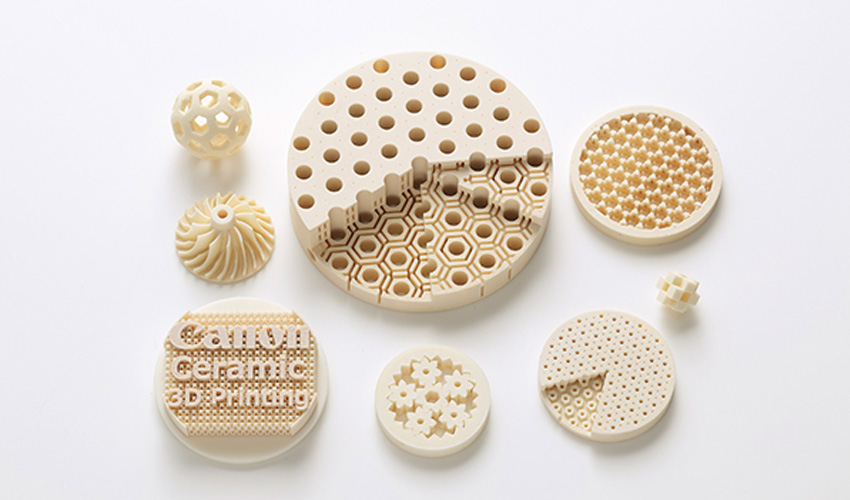 NewsCanon introduces new ceramic 3D printing technologyThe Japanese group Canon, a specialist in cameras, copiers and printers, entered the additive manufacturing market last year. When they manufactured its FDM MARV 3D printer. This small office machine didn’t met a huge success. As it was confined to the Chinese,…
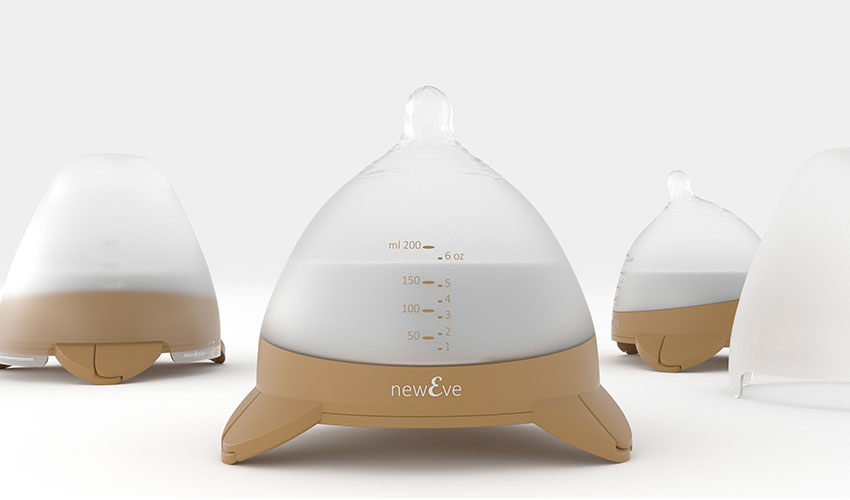 PrintersCreating an anatomical baby bottle using a 3D scannerThe accessory industry for newborns and infants is yet another industry that is dynamically changing thanks to 3D printing technologies such as scanners. Just recently, designer Beata Nikolajczyk, designed the unique personalised ‘New Eve’ milk dispenser, shaped like a female bre
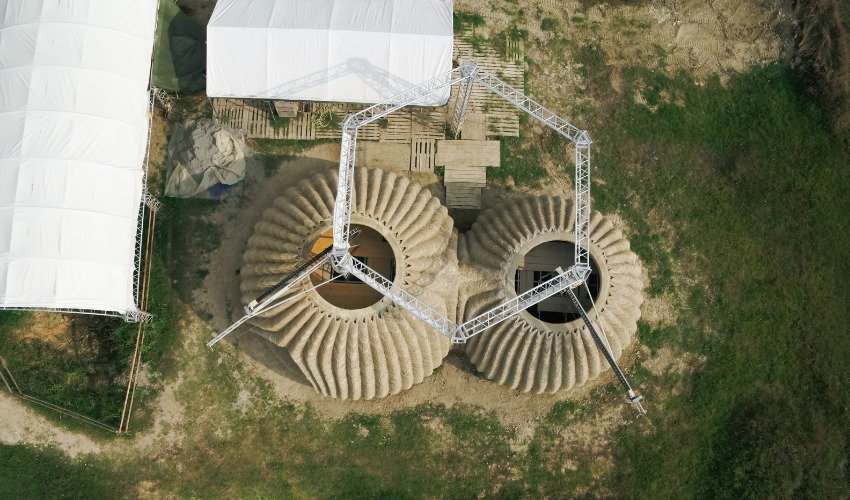 NewsWASP completes the structure of its 3D printed eco-habitatWASP (World’s Advanced Saving Project), an Italian 3D printing company working especially in the realm of sustainable construction, has completed the printing phase of the TECLA supporting structure, the first 3D printed eco-habitat. The TECLA project was launched in 2019…
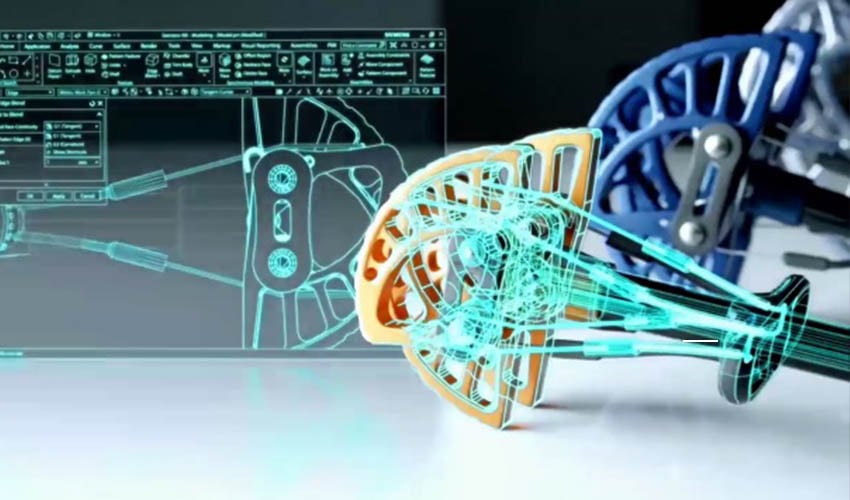 SoftwareIs generative design changing additive manufacturing?Generative design is an iterative design process that generates multiple design outputs that meet predefined constraints. This process is used in various fields such as art, architecture, and product design to produce outputs from sounds, images to CAD models. One…