Software
Is generative design changing additive manufacturing?
Generative design is an iterative design process that generates multiple design outputs that meet predefined constraints. This process is used in various fields such as art, architecture, and product design to produce outputs from sounds, images to CAD models. One…
- 3 min read
- Software
- Six more stories
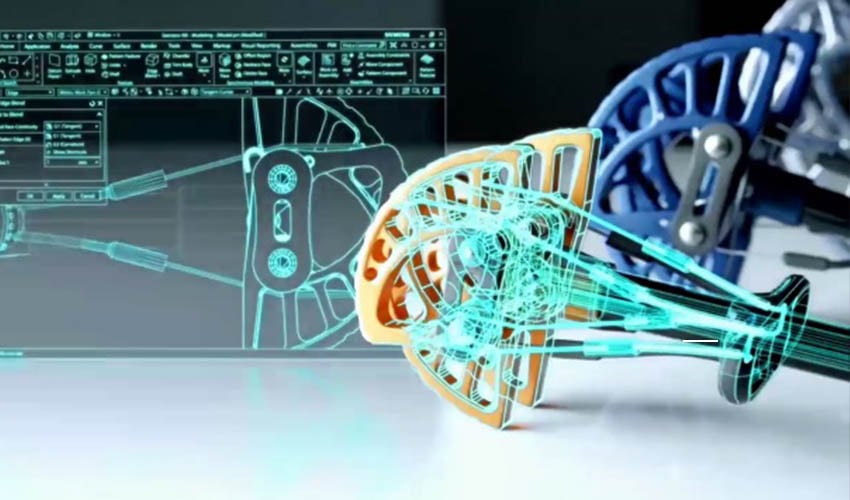
Generative design is an iterative design process that generates multiple design outputs that meet predefined constraints. This process is used in various fields such as art, architecture, and product design to produce outputs from sounds, images to CAD models. One of the main benefits of generative design is that it is a fast method for exploring design possibilities. For instance, this design technique allows many hundreds, if not thousands of possible solutions to be evaluated within a relatively short timeframe.
In the world of manufacturing, this design method has been used to optimize parts. The process of generative design starts within a software that can generate CAD-ready options based on real-world constraints and performance requirements. By defining these constraints and requirements, engineers can achieve light weighting, performance improvements, part consolidation, or sustainability for example. Therefore, generative design is changing the design process because engineers can solve challenges and come up with design solutions that they wouldn’t have been able to conceive on their own.
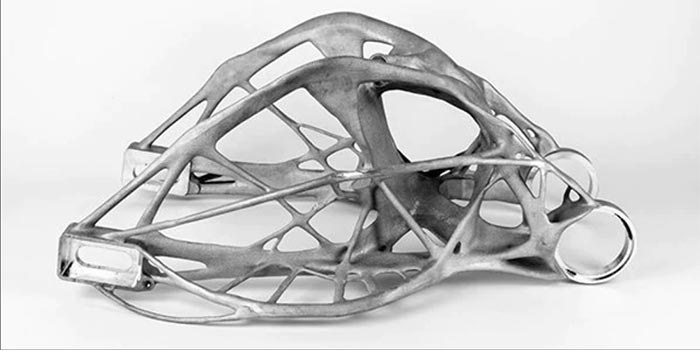
Engineers can achieve light weighting, performance improvements, part consolidation, or sustainability | Photo Credits: Autodesk
Today, there are multiple solutions on the market that target different sectors’ needs. Peter Rogers, APAC Additive Manufacturing Product Specialist at Autodesk explains the process of generative design for manufacturing in more detail: “It does not require a starting geometry. The users input the areas that the part must keep (the preserved regions), the areas that material should not enter (the keep out zones) and then the performance requirements (constrained areas, forces and pressures on the part, etc.). From there, you can input multiple materials that you have access to, and manufacturing criteria (such as minimum wall thickness and support angle criteria for additive, drill bit size for CNC, etc.). You put in some basic guidance in terms of objectives, and the tool will use Autodesk’s advanced design algorithms in parallel with the simulation technology to create validated, cost estimated, manufacturable geometry solutions to the defined design problem.”
More from the desk
Six other notes from the rest of the bench.
 ApplicationsPOSTECH 3D Print First-of-its-Kind Lung ModelAs winter gives way to spring the newly bloomed flowers and warm weather bring with them dust, unperceived by most but an anguish to those suffering from respiratory diseases. For them, this year and last, tainted by Covid-19, has amplified…
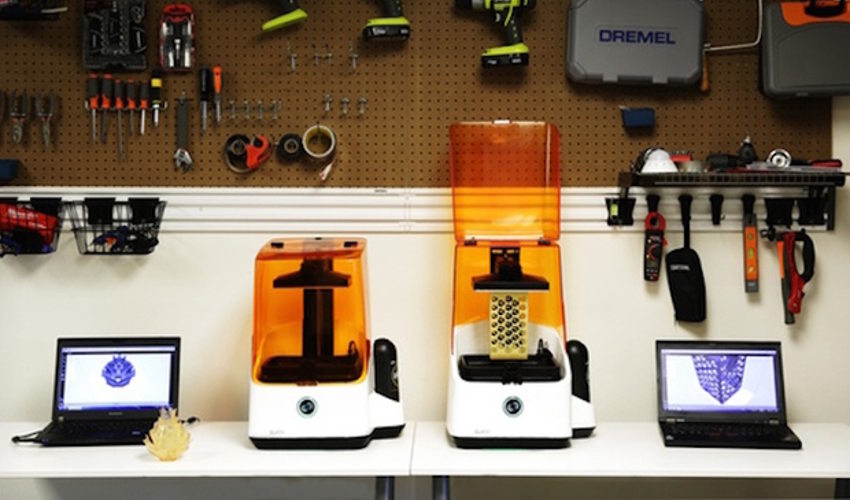 PrintersAre UniZ 3D Printers the Fastest 3D Printers Ever?UniZ are an American additive manufacturing startup from San Diego which opened its doors back in 2014. The starting team was composed of engineers, entrepreneurs, and designers. Since then, UniZ have released their currently available SLASH and SLASH+ UDP 3D…
 NewsPreserving the Marine Environment: Dubai Reefs’ 3D Printing ProjectAccording to URB, a prominent player in the advancement of sustainable cities worldwide, numerous cities, including Dubai, are expected to confront the challenges of rising seas and coastal flooding by the end of the 21st century. These events primarily stem…
 ApplicationsThe DS 3 Dark Side, a unique design created with the help of AMPSA Group, a French automotive manufacturer, has unveiled a new, special series called the DS 3 Dark Side. This new car was designed in part thanks to additive manufacturing, bringing a look of class and modernity to the automotive industry.…
 Guides#Working3D: Six Questions for an Industrial DesignerIn our #Working3D interview series, we tell you about exciting professions within the AM landscape. In this latest interview, we learned how exactly AM can be used in product design. To do this, we spoke to Alex Kimber, industrial designer…
 Guides#3DStartup: Unlimited Tomorrow and its 3D Printed Bionic Prosthetic ArmIt is no secret that 3D printing has been making great waves in recent years in the medical sector. One arena in which the technologies have been especially useful is for making prostheses as it allows for lighter, more customized…