Materials
Researchers Create Polycatenated Architected Materials (PAMs) for 3D Printing
Recent advances in materials science have led to new solutions in architecture and design. In a recent example, a team of researchers in California has developed polycatenated architectural materials (PAMs), which are capable of interweaving to form unique 3D structures.…
- 3 min read
- Materials
- Six more stories
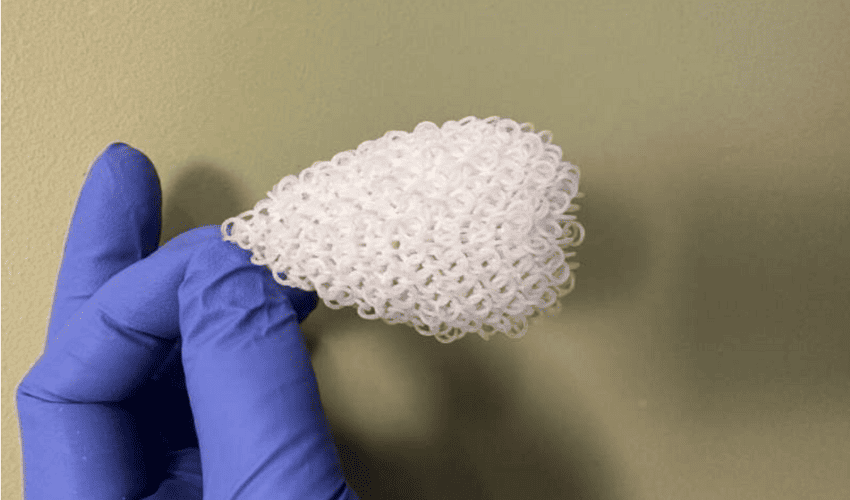
Recent advances in materials science have led to new solutions in architecture and design. In a recent example, a team of researchers in California has developed polycatenated architectural materials (PAMs), which are capable of interweaving to form unique 3D structures. These materials can be used as wireframe elements to create 3D structures with interesting properties in a number of different sectors, including engineering and design.
To be precise, this new type of material was developed by a team of engineers from the California Institute of Technology (Caltech), in collaboration with Lawrence Livermore National Laboratory and Princeton University. Neither granular nor crystalline, it can be either fluid or solid depending on the stress that is applied to it. Made with 3D printing, these structures offer a new way of rethinking traditional designs and creating objects with surprising physical properties.
PAM Materials Are Suitable for Many Applications and Sectors
PAMs are materials with a unique structure, similar to chain links, but used in an original way. Their design stems from research into how different elements can be linked together to form complex structures. In a study published in Science, the researchers detail not only how these materials are made, but also the interesting properties they observed during their tests.
More from the desk
Six other notes from the rest of the bench.
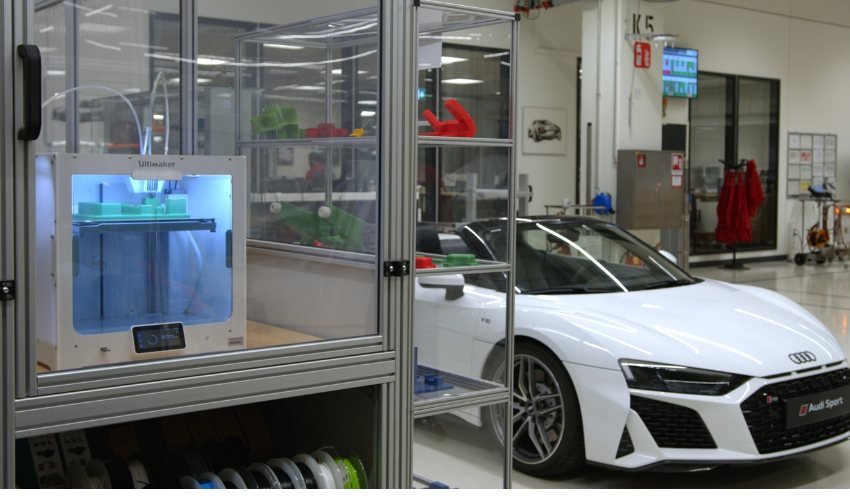 ApplicationsAudi Sport Enhances Production and Tooling with 3D PrintingFollowing the emerging trend of increased use of 3D printing in the automotive sector, Audi Sport‘s Böllinger Höfe facility in Germany, renowned for developing high-performance vehicles like the Audi R8 and the fully electric E-Tron GT, recently adopted the technology&helli
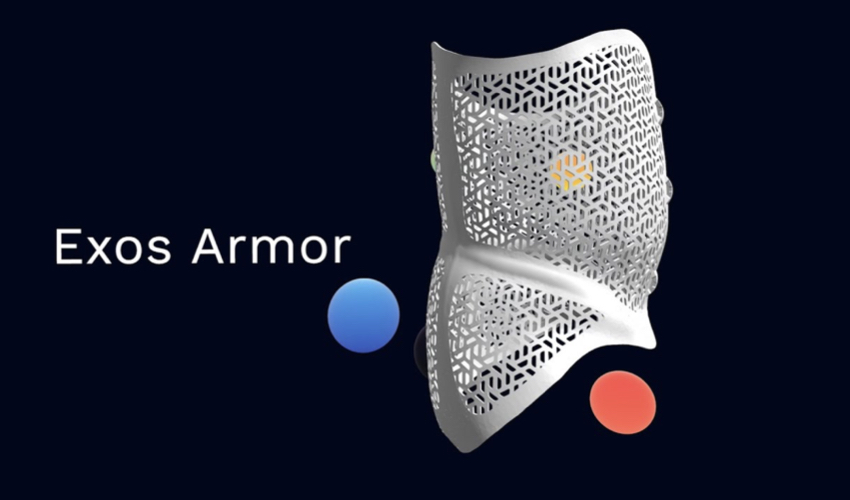 NewsExos Armor: The Entirely 3D Printed Back BraceAt CES 2021 Exos unveiled their 3D printed back brace, entitled Armor, intended to better posture and treat scoliosis. The Exos Armor is fully eco-sustainable and entirely 3D printed from eco-friendly materials making it both light and strong at the…
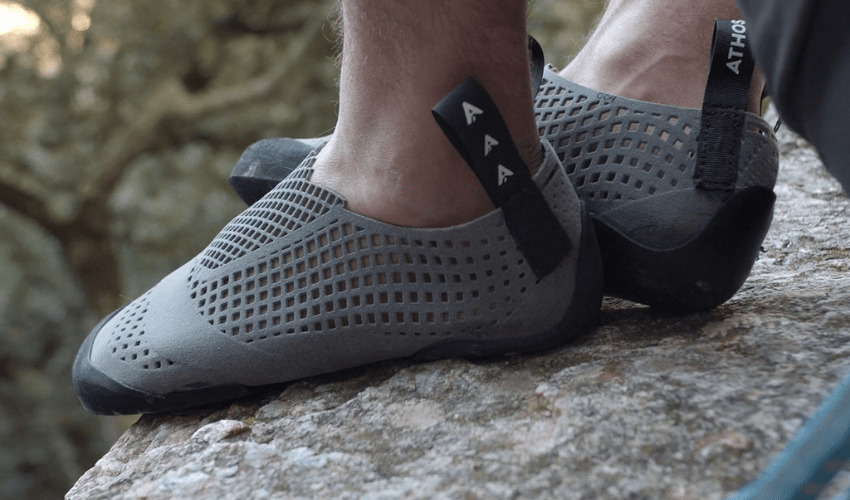 NewsAthos, 3D Printed Climbing Shoes That Adapt to an Athlete’s Feet3D printing has done it again. It has been growing in popularity in the world of sports and footwear and now once again the method is being used. Now in the development of these climbing shoes, called Athos. Also known…
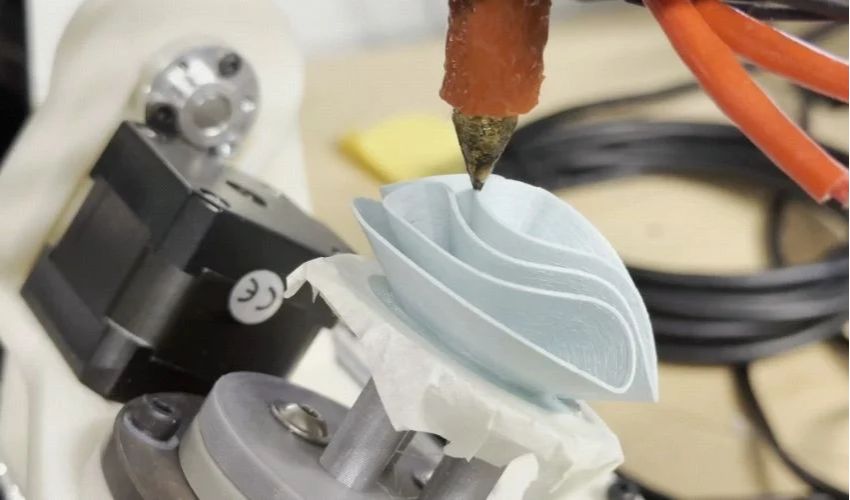 PrintersEverything You Need to Know about Multi-Axis 3D PrintingIn the world of technology, 3D printing can sometimes feel like science fiction. But while we’ve grown used to watching printers lay down layer after flat layer, a new technique has been catching our attention: multi-axis 3D printing. By breaking…
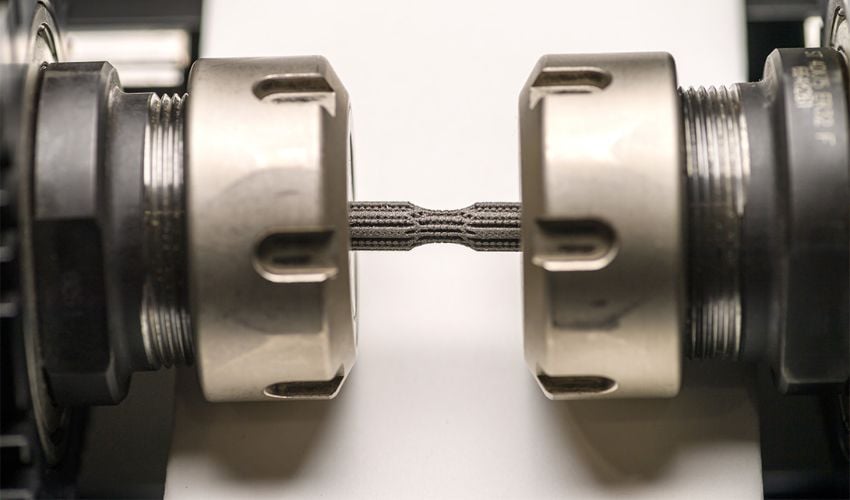 ApplicationsAntibacterial, 3D Printed Metal Under Development for Surgical ImplantsWithin the realm of medical 3D printing, we often discuss the value of plastic filaments, photopolymer resins, and silicone technologies that can assist with the comfort and rehabilitation of patients receiving treatment. However, one material that must not be overlooked…
 NewsAustralia’s First Fully 3D Printed Two-Story Home is CompletedContec, a construction and design agency based in Australia, recently announced its new 3D printed two-story family home located in Tapping, Perth. This new housing project, known as the Tapping Residence, is unlike its predecessors, is a multi-story building that…