Printers
Everything You Need to Know about Multi-Axis 3D Printing
In the world of technology, 3D printing can sometimes feel like science fiction. But while we’ve grown used to watching printers lay down layer after flat layer, a new technique has been catching our attention: multi-axis 3D printing. By breaking…
- 3 min read
- Printers
- Six more stories
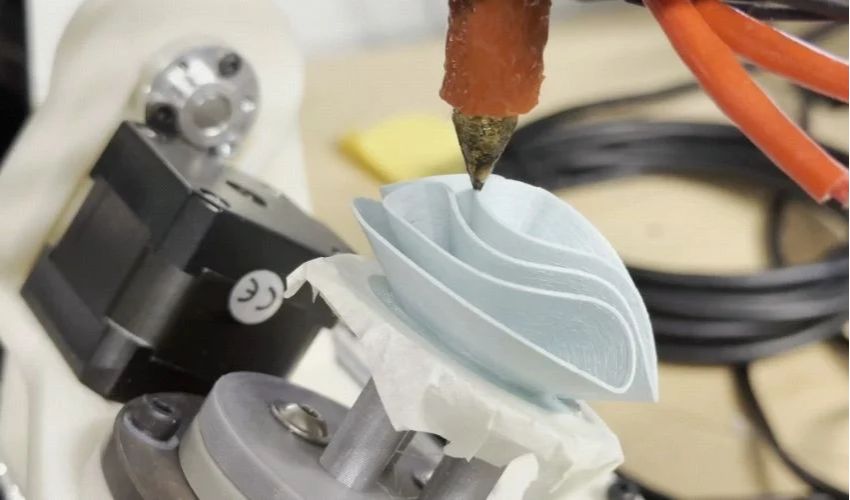
In the world of technology, 3D printing can sometimes feel like science fiction. But while we’ve grown used to watching printers lay down layer after flat layer, a new technique has been catching our attention: multi-axis 3D printing. By breaking free from the traditional XYZ axes, this approach could shift additive manufacturing, allowing for new shapes and strengths we never thought possible. Whether you’re an industry veteran or a curious newcomer, this guide breaks down how multi-axis printing works, why it matters, and the cutting-edge solutions leading the charge.
In simple terms, multi-axis 3D printing has a motion system that gives the printer more “joints” than standard machines. While a conventional printer—whether Cartesian, CoreXY, or Delta—moves in three directions (forward-backward, left-right, and up-down), multi-axis systems add rotation and tilt, reaching 5, 6, or more axes. This freedom of movement isn’t limited to the nozzle; depending on the machine’s architecture, rotation can occur in the print head, the build plate, or both in a coordinated manner. This allows the print head to rotate along the curves of the part, depositing material perpendicularly, rather than printing stepped layers. This process is also known as conformal or non-planar manufacturing.
Advantages of Multi-Axis 3D Printing
The ability to orient the contact point between the nozzle and the part addresses the most common limitations of fused deposition modeling:
More from the desk
Six other notes from the rest of the bench.
 NewsCrack Detection in Concrete, 3D Printed Buildings Made Possible by Adding Graphene OxideEngineering students at the public research university Royal Melbourne Institute of Technology (RMIT) in the Australian state of Victoria have developed an approach to produce a conductive and more stable concrete for 3D printing buildings. As part of their study,…
 ApplicationsRoad Repairs with 3D Printing TechnologiesIn the world today there are 1.446 billion cars – that is, approximately one car for every five people. In order to keep transport running smoothly and efficiently and reduce nuisances like traffic and road closures, it is important to…
 News#3DOpinion | What Is the State of the AM Market in the Beginning of 2024?We’ve all seen the headlines. Coming to the end of 2023 and the beginning of 2024, the 3D printing market has been inundated with thought pieces with titles claiming that 3D printing was dying, or that it failed to live…
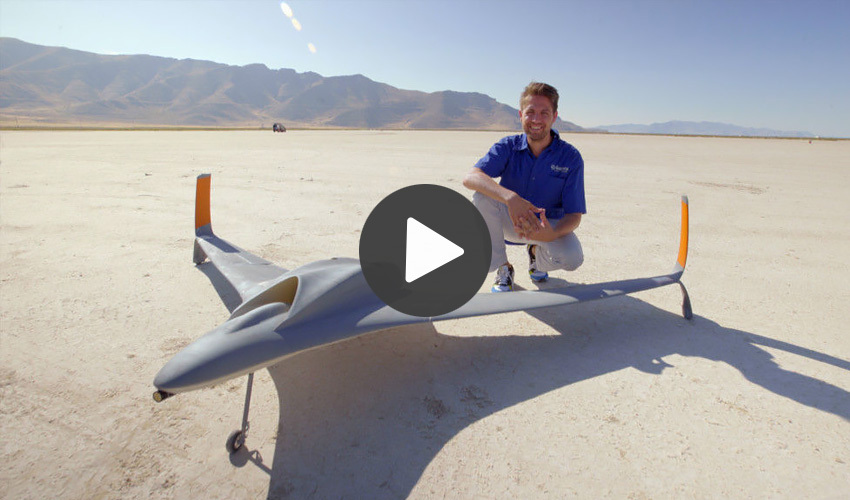 NewsTop 5 Videos: The first 3D printed jet-powered aircraftThis week we found the top 5 videos about 3D printing and the way additive manufacturing is changing production. The technology has infiltrated many sectors, from medical to automotive – check our selection of the week to keep up with the innovations! If you enjoy these, you&hell
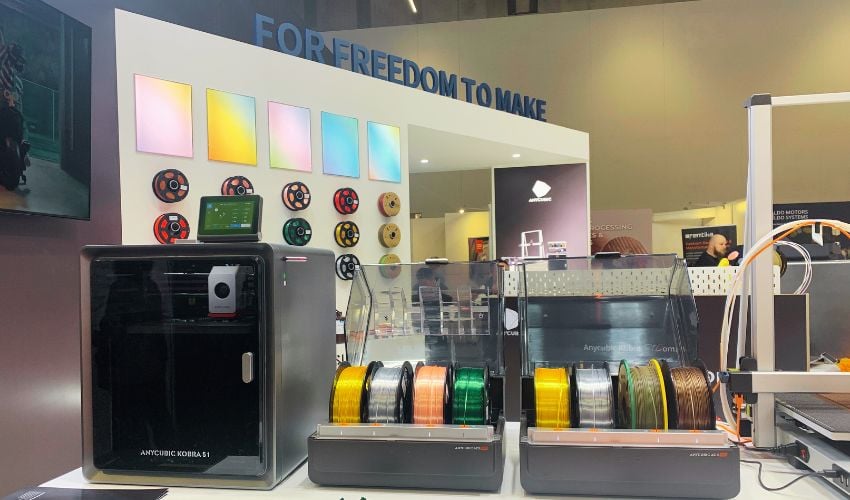 NewsAnycubic Introduces Multi-Material FDM and High-Precision Resin Systems at FormnextAs you know, Formnext is the perfect opportunity for exhibitors to showcase their latest products, whether they be machines, materials, software, or strategic partnerships to promote the adoption of additive manufacturing. Once again, this year, machine manufacturers turned out i
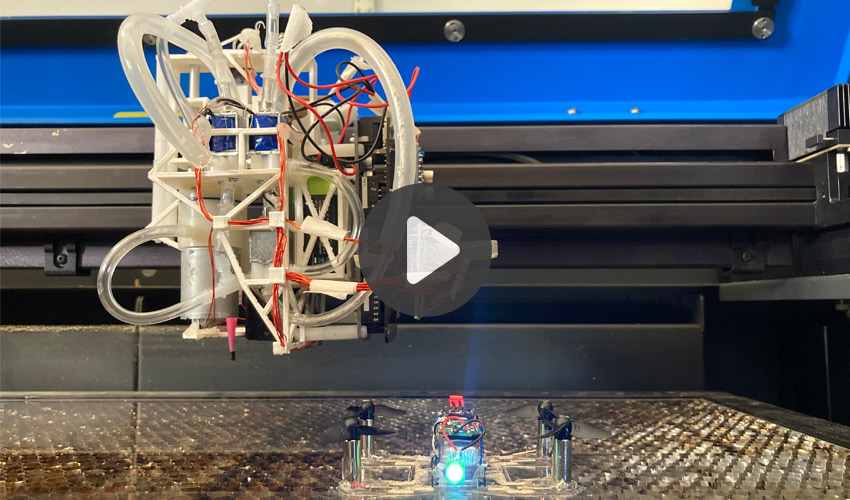 NewsTop 5 Videos: A 3D Platform for Creating RobotsThis week we are introducing you to LaserFactory. This manufacturing solution uses a laser beam machine to create robots, drones and other types of electronic devices, completely autonomously. This is an industry 4.0 system that may well in the future…