Materials
3D Printing Plastics: Complete Materials Guide 2026
3D printer plastic is the most widely used material category in additive manufacturing, available in filament, powder, and resin form across a range of technologies. The 3D printing plastics market is projected to grow from USD $2.36 billion in 2025…
- 3 min read
- Materials
- Six more stories
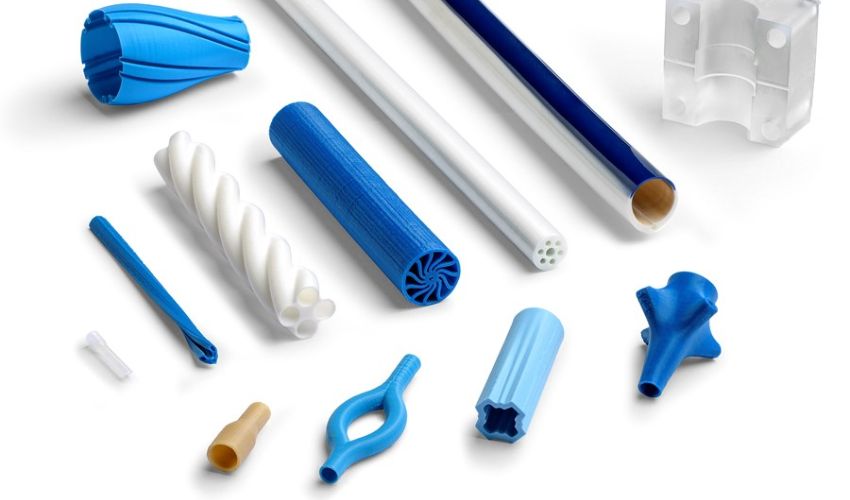
3D printer plastic is the most widely used material category in additive manufacturing, available in filament, powder, and resin form across a range of technologies. The 3D printing plastics market is projected to grow from USD $2.36 billion in 2025 to USD $5.39 billion by 2030, according to MarketsAndMarkets analysis. From accessible thermoplastics like PLA and ABS to high-performance polymers like PEEK and ULTEM, each material offers a distinct combination of mechanical, thermal, and chemical properties suited to different applications and industries. The following guide covers the most common 3D printing plastics and what sets each one apart.
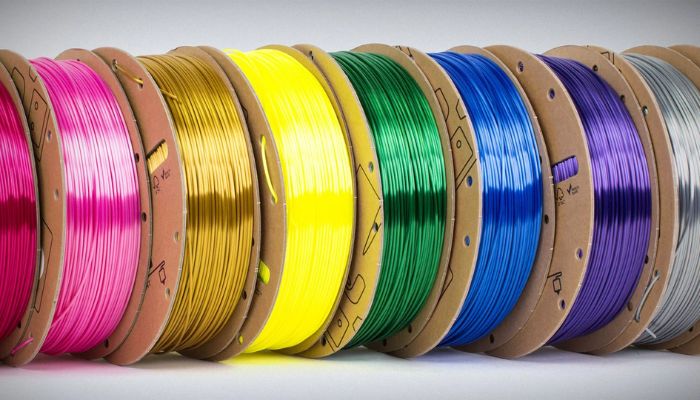
(Photo Credit: FormFutura)
Standard Thermoplastics
ABS
Acrylonitrile butadiene styrene, or ABS, is one of the most established plastics in both traditional manufacturing and 3D printing. Best known as the material behind Lego bricks, ABS is a thermoplastic with a polybutadiene elastomer base that gives it strong impact resistance and a degree of flexibility uncommon in rigid plastics. It is widely used in automotive components, consumer electronics housings, and household appliances.
Key properties: ABS offers good tensile strength, high impact resistance, and a heat deflection temperature of around 80-100°C, making it suitable for parts that will experience mechanical stress or moderate heat. It produces a smooth surface finish and responds well to acetone vapour smoothing, which bonds layer lines and produces a near-injection-moulded appearance.
More from the desk
Six other notes from the rest of the bench.
 PrintersItalian National Cycling Team Improves Aerodynamics Using Calibry 3D ScannerIn their quest for Olympic Gold ahead of Tokyo 2021, the Italian National Cycling team enlisted the expertise of Russian manufacturer, Thor3D’s Italy-based partner, 3DiTALY, with the goal of reducing aerodynamic drag, which optimizes a cyclist’s efficiency. Thor3D’s C
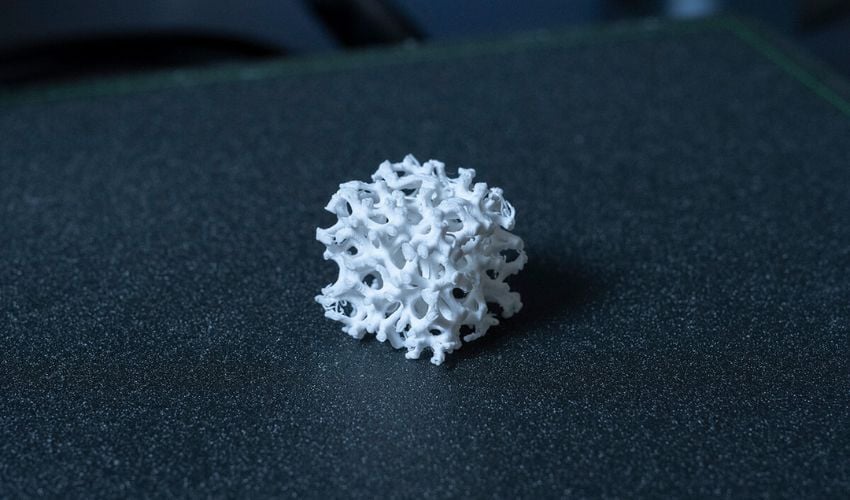 Applications3D Printed Implants for Tumor Treatment in ChildrenOsteosarcomas are malignant bone tumors, and there are two to three new cases per million people per year. It is the most common primary malignant bone tumor, and 50 percent of cases occur in children and adolescents. The treatment of…
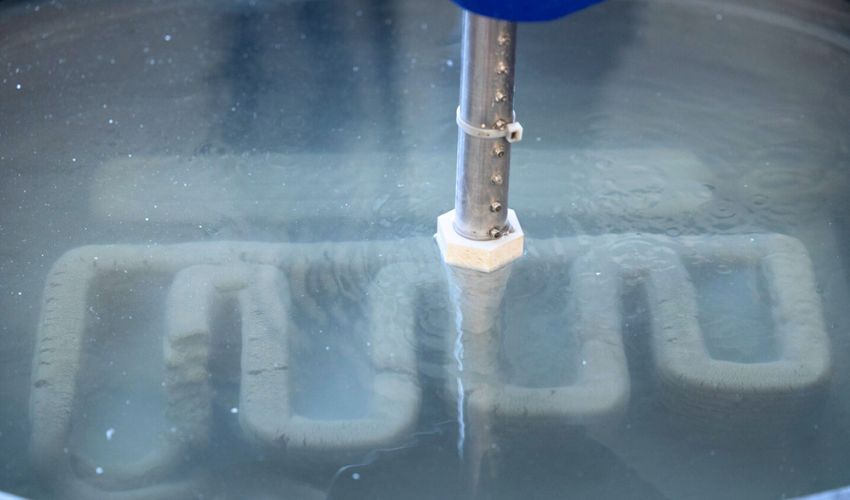 NewsUnderwater Concrete 3D Printing Using Seafloor SedimentThe ocean has never been an easy place to build. Depth, pressure, and limited visibility make even routine construction and repair complex and expensive, particularly for the infrastructure hidden beneath the surface. Rethinking Construction Beneath the Surface At Cornell Univers
 NewsPhotogrammetry Used for Exhibition Of Naval ShipwreckA joint venture between software company NVIDIA and researchers at Curtin University in Western Australia has seen the recreation of the wreck of a shipwreck using photogrammetry and 3D printing technology. The exhibition, at the WA Maritime Museum, was developed…
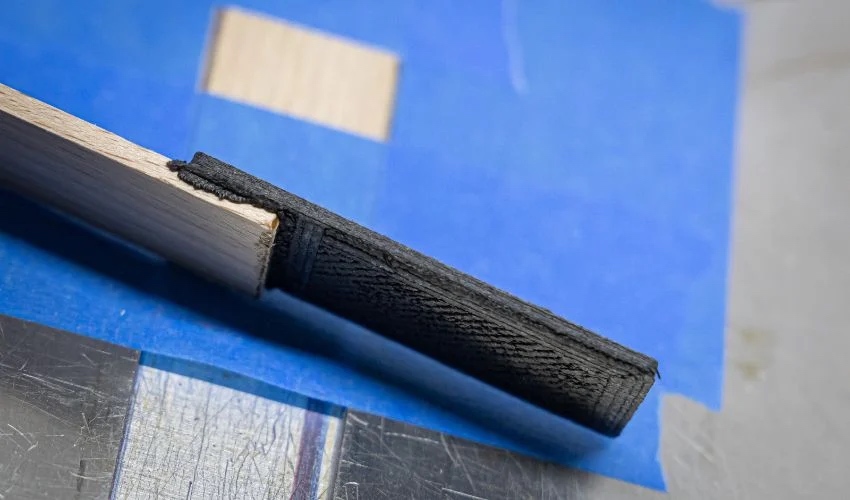 News3D Printing for Adhesive-Free Wood and Polymer BondingWhat if you could glue plastic to wood without adhesives or chemicals? That’s the goal of a team of researchers from Graz University of Technology in Austria. They used additive manufacturing to deposit different materials on wood, layer by layer,…
 Guides3D Printed Houses: A Closer Look at Completed Projects from Around the WorldAs you may know, additive manufacturing is becoming increasingly important in the construction market. The new technologies make it possible to create more complex shapes, build walls faster, and reduce labor costs. Many construction companies have already started to 3D…