News
3D Printing for Adhesive-Free Wood and Polymer Bonding
What if you could glue plastic to wood without adhesives or chemicals? That’s the goal of a team of researchers from Graz University of Technology in Austria. They used additive manufacturing to deposit different materials on wood, layer by layer,…
- 3 min read
- News
- Six more stories
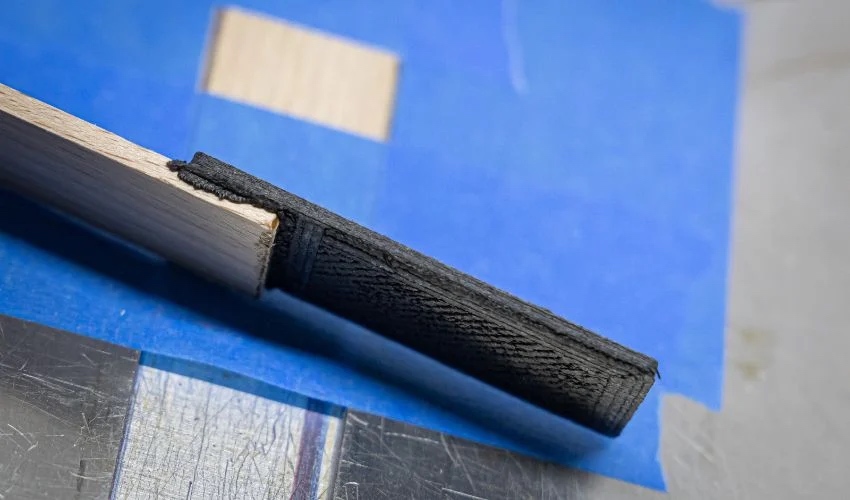
What if you could glue plastic to wood without adhesives or chemicals? That’s the goal of a team of researchers from Graz University of Technology in Austria. They used additive manufacturing to deposit different materials on wood, layer by layer, and called their technique “AddJoining.” These materials actually penetrated the wood, creating these extremely strong bonds. Several materials were tested, including polyamide and carbon-fiber-reinforced polyphenylene sulphide, on both oak and beech. Thanks to this technique, the team hopes to reduce the environmental impact of industrial glues and adhesives.
The glues used in industry are often synthetic, obtained from hydrocarbon derivatives and the chemical industry. As a result, they do not degrade and make recycling of certain products extremely difficult. Although so-called natural glues are becoming more and more widespread, with even initiatives around so-called biodegradable solutions, efforts are not sufficient and the reality is less green than we’d like. To combat this problem, a team of researchers in Austria has come up with the AddJoining technique.

From left to right: Awais Awan, Sergio Amancio and Gean Marcatto from the Institute of Materials Science, Joining and Forming at TU Graz (photo credits: Wolf – TU Graz).
In concrete terms, this involves depositing the material on untreated wood instead of a conventional printing plate to create joints between the two materials. You can imagine the constraints involved, but the initial results are encouraging. Gean Marcatto, one of the researchers, explains: “After the joint fractured, we were able to find polymer in the wood pores and broken wood fibers in the polymer, which suggests that the fracture occurred in the wood and polymer, but not at the joint.”
More from the desk
Six other notes from the rest of the bench.
 Applications#3DExpress: FAA Certifies GE Aerospace Engine Made Using 3D PrintingThis week’s #3DExpress is full of exciting aerospace news! First, the FAA has certified an innovative engine from GE Aerospace that was made using additive manufacturing. Next, the United States Air Force is calling for 3D printing vendors who can…
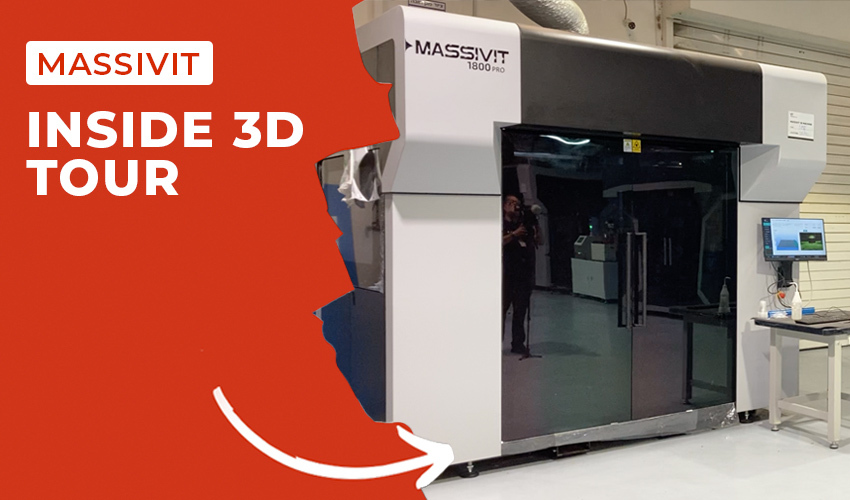 NewsInside 3D Tour: Behind the Scenes at Massivit’s Headquarters and Additive Manufacturing FacilitiesAt this point, it seems likely that you have already heard of Inside 3D Tour, the series of videos in which 3Dnatives visits major manufacturers or distributors in the 3D printing industry to learn firsthand how different additive manufacturing methods…
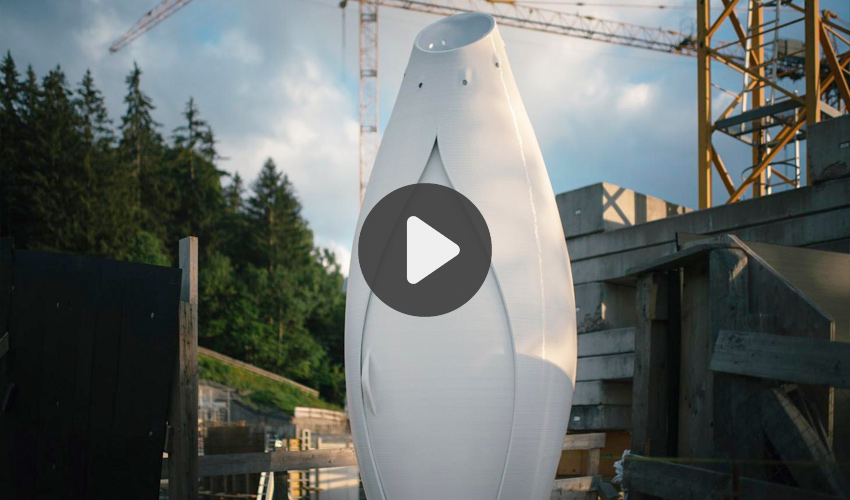 NewsTop 5 Videos: A Sustainable, 3D Printed Porta-PottyIn this week’s top 5 videos, we take a look at the slickly-design 3D printed porta-potty (portable toilet) from Spanish studio Nagami. The project is more sustainable as it was designed from recycled plastic and able to compost solid waste.…
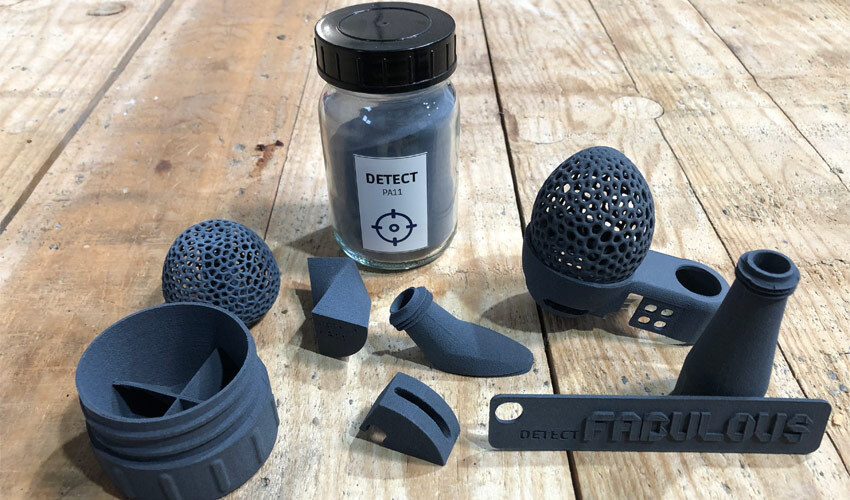 MaterialsFabulous is Presenting New Industrial Materials at Formnext 2021In 2020, Fabulous launched into the development of powders for additive manufacturing, more specifically thermoplastics for powder bed fusion processes. One of its first developments, BLUECARE, is a powder that has been certified for food contact in the European Union…
 NewsInside 3D Tour: Visiting SolidCAM’s Headquarters and 3D Printing FacilitiesToday, we are excited to present another installment of our Inside 3D Tour video series, where we explore the leading manufacturers in the 3D printing industry to gain firsthand insights into the development of various 3D printing methods. The goal…
 News#DAMM2020 will be the first global online conference on additive manufacturingEvents around additive manufacturing are crucial for the sector, allowing many players and users of the technology to exchange and discover the latest market trends and developments in additive manufacturing. Given the worldwide spread of COVID-19, 3D printing events have…