Printers
ORNL Targets Faster, Safer Inspection for 3D Printing in Nuclear Applications
For years, the United States’ Oak Ridge National Laboratory (ORNL) has been one of the most active players in additive manufacturing for nuclear energy. In 2020, the lab made headlines for designing the first prototype of a 3D-printed nuclear reactor.…
- 3 min read
- Printers
- Six more stories
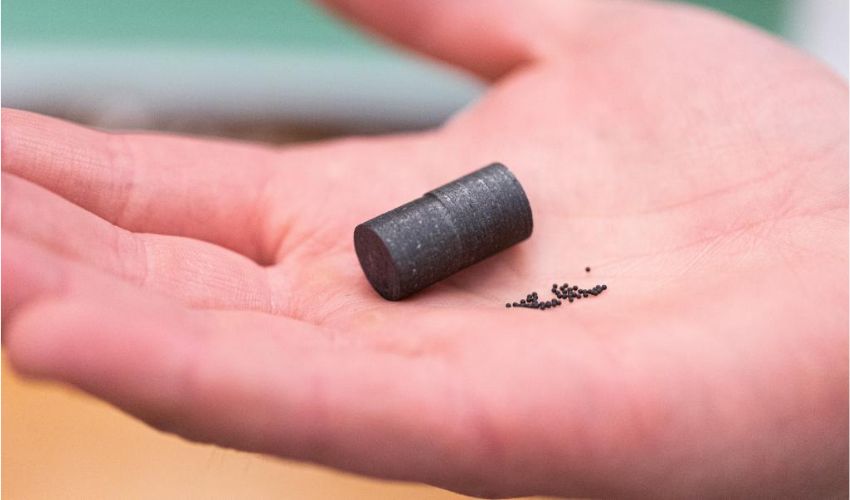
For years, the United States’ Oak Ridge National Laboratory (ORNL) has been one of the most active players in additive manufacturing for nuclear energy. In 2020, the lab made headlines for designing the first prototype of a 3D-printed nuclear reactor. Since then, they have printed nuclear reactor components, and in 2022, their researchers created a deep-learning framework that allows them to inspect these additively manufactured parts with greater speed and accuracy. In partnership with Idaho National Laboratory (INL), the two labs accelerated the inspection of 3D-printed nuclear components, and now, they are expanding to inspect nuclear fuels.
Critical to this research is this deep-learning framework created by ORNL. The software algorithm, called Simurgh, checks for flaws in AM parts, which helps them identify metals for 3D printing the next generation of nuclear reactors. It can take decades to verify new materials and manufacturing methods for nuclear reactor components, so the collaboration will accelerate the process.
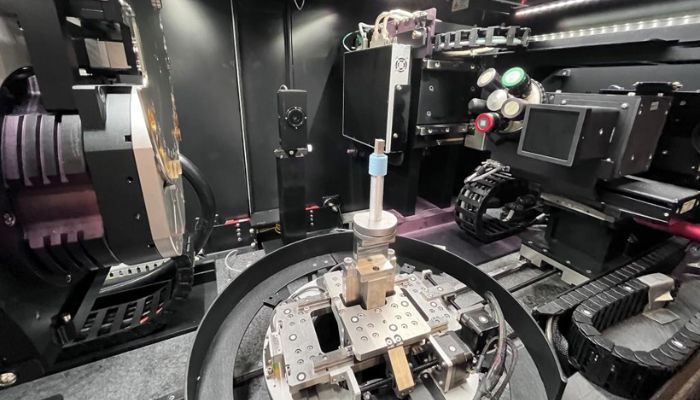
A 3D-printed part is scanned and analyzed using the ORNL software. (Photo credits: ORNL)
Simurgh uses X-ray computed tomography, which is a type of CT scan, to check the interior quality of 3D printed objects without damaging them. By compiling a series of X-ray images, the internal structure of a 3D-printed part is revealed, identifying weaknesses or printing errors. Typically, scanning the same part from many angles is time-consuming and expensive.
More from the desk
Six other notes from the rest of the bench.
 News#TALK3D: Interview With Terry Wohlers, the Emblematic Figure Behind the Wohlers ReportIf you follow additive manufacturing news, you have undoubtedly already heard of the Wohlers Report, a study published annually by Wohlers Associates, which has been part of ASTM International since November this year. The report is a benchmark for the…
 News3D-Printed Ceramic Monoliths Can Purify Water By Removing ‘Forever Chemicals’Worldwide, 2.2 billion people do not have access to a safe drinking water supply and a further 3.5 billion people do not have adequate sanitation facilities. This data, published in the latest United Nations World Water Development Report, confirms the…
 NewsUnderstanding and Choosing the Best File Format for 3D Printing: The Complete GuideIn the world of 3D printing, choosing the right file format is a crucial step in guaranteeing the quality and efficiency of your prints. But a multitude of formats available, it can be difficult to know which one is best…
 NewsThe First 3D-Printed Military Barracks Unveiled in TexasOnce again, Austin-based, ICON, is in the news. This time however, it is for something that once again has brought them down to Earth. The company has partnered with the Texas Military Department, Logan Architecture and Fort Structures to create…
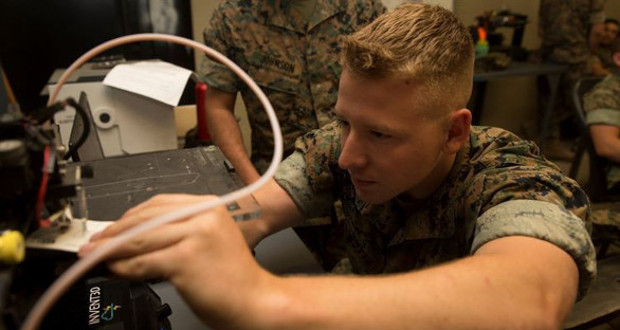 NewsUS Marine Corps bring 3D printing to the front lines3D printing has come to combat zones and the United States Marine Corps is welcoming it with open arms into their bases. The branch of the United States military has been one of the leading voices behind the incorporation of…
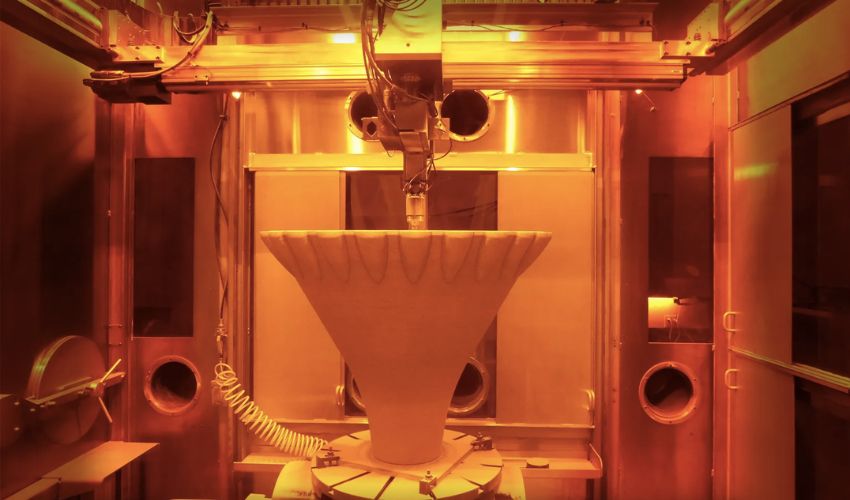 Materials3D Printed Rocket Nozzle to Propel NASA Space ExplorationWhile private aerospace companies have been utilizing 3D printing technology to further their own stellar aims, the National Aeronautics and Space Administration has not been neglecting the additive manufacturing trend either. In 2023 alone they have 3D printed moon rover…