News
The First 3D-Printed Military Barracks Unveiled in Texas
Once again, Austin-based, ICON, is in the news. This time however, it is for something that once again has brought them down to Earth. The company has partnered with the Texas Military Department, Logan Architecture and Fort Structures to create…
- 3 min read
- News
- Six more stories
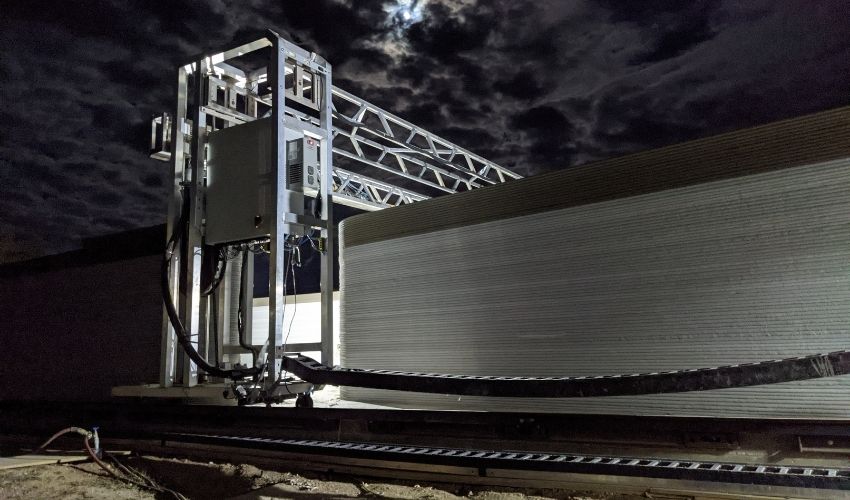
Once again, Austin-based, ICON, is in the news. This time however, it is for something that once again has brought them down to Earth. The company has partnered with the Texas Military Department, Logan Architecture and Fort Structures to create the largest 3D-printed structure in North America: training barracks at the Camp Swift Training Center in Bastrop, TX. The barracks were made using ICON’s Vulcan construction system and marks the first time that soldiers will actually live in printed barracks. The U.S. military plans to use the technology on even more projects, including those overseas and humanitarian buildings.
ICON has certainly not been idle in recent months. In March, they announced the first 3D-printed multi-home project in Texas, East 17th Street Residences, which were multi-story homes that were designed to be beautiful and sustainable. Then earlier this month, they were named as the creators of a 3D printed “Mars Surface Habitat” which was created to house people for a one-year study that will simulate life on Mars.These ambitious projects are all thanks to ICON’s famous Vulcan construction system, a tablet-operated robotic printer than can be used to make buildings and homes out of a cement-based material.
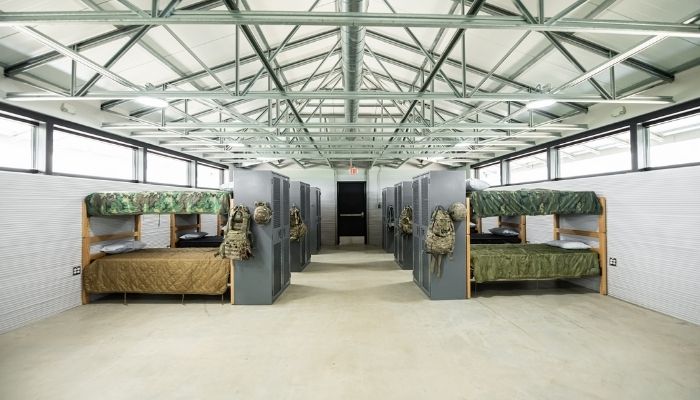
The inside of the barracks have been designed to fit up to 72 soldiers or airmen during their training (photo credits: ICON)
This latest project is a 3,800 sq.-ft.building that will be home to a maximum of 72 soldiers or airmen as they train for missions. It was designed by Logan Architecture while Fort structures die the structual engineering and was made possible thanks to a SBIR Strategic Fund Increase (STRATFI contract) through AFVentures to which the Texas Military Department originally contributed. This is perhaps unsurprising when you consider how often 3D printing has been used by the U.S. military in recent years. The main advantage that 3D printing has, and the reason why TMD chose to use it in this case, is that it allows them to deliver barracks faster than with traditional construction, enabling them to replace temporary barracks with more efficient, permanent structures. In general, it is being considered also as a solution for forward deployed locations, as it could reduce time, costs and construction risks.
More from the desk
Six other notes from the rest of the bench.
 NewsIn Seoul, 3D Printing Has Been Used to Create a Carbon-Neutral City Model Called Habitat One3D printing is one of the best allies of our planet to preserve its fauna and flora in many aspects. We have seen how marine ecosystems have been reconstructed to help preserve others as well as the creation of things…
 Guides#3DStartup: Virtual Foundry, 3D metal printing with FFF technologyThe Virtual Foundry is an American startup specialising in the development of materials for FDM / FFF technologies, one of its most prominent materials are its metal filaments: Filamet ™. This material is capable of creating pieces with domestic 3D printing technologies…
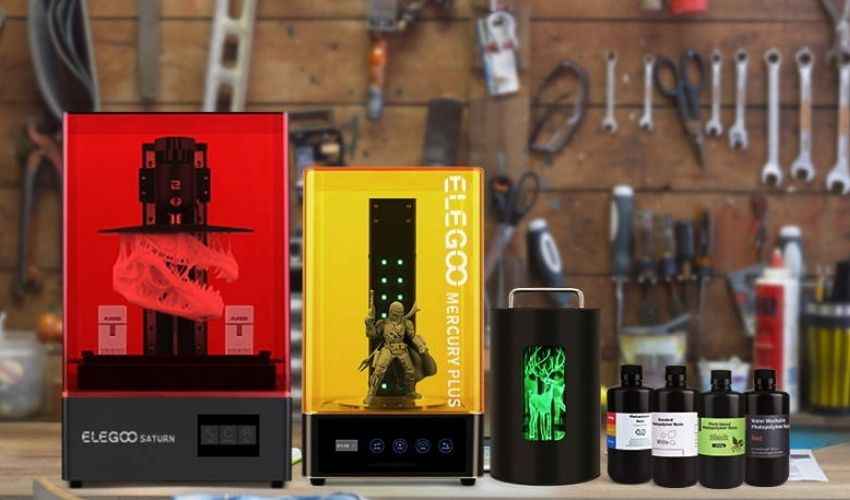 PrintersWhat Are the Current ELEGOO 3D Printers on the Market?As 3D printing gets more popular, so do cheaper desktop solutions which allow more and more access to the technology. One such company which has been gaining in popularity for its cheap but reliable printers is ELEGOO. Founded in 2015,…
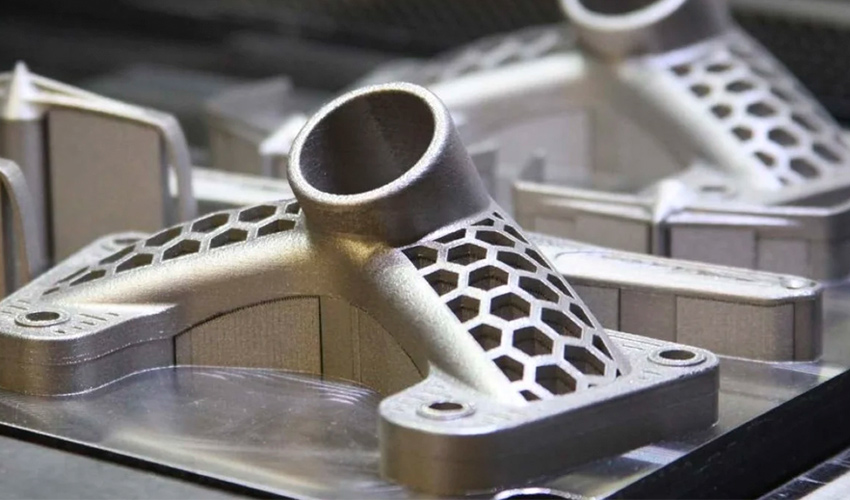 NewsThe Industrial 3D Printing Market is Expected to Reach $107.7B By 2031There is no doubt that the additive manufacturing sector is booming. According to the recent study released by Allied Market Research, the industrial 3D printing market is expected to reach a value of $107.7 billion by 2031, representing a Compound…
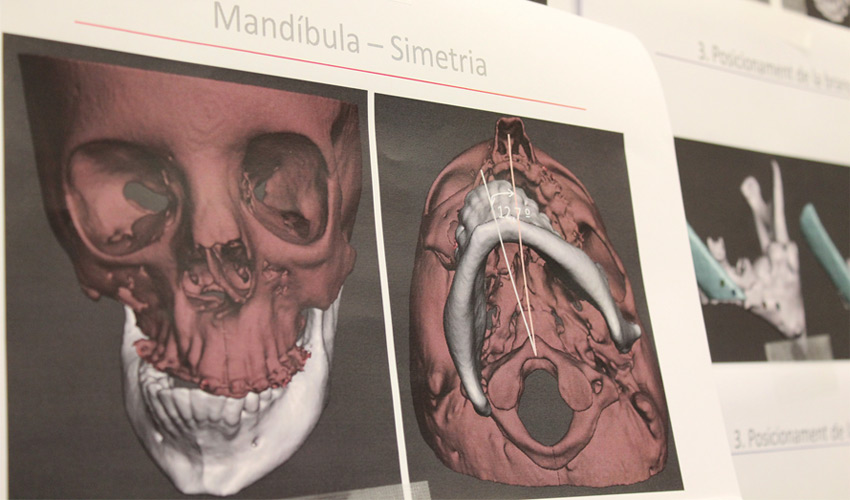 ApplicationsExpert3D on the Importance of 3D Technology Training in the Medical SectorA few months ago we introduced you to Expert3D, a postgraduate course aimed at doctors, healthcare professionals, engineers and technicians in the healthcare sector. Offered by the Hospital Sant Joan de Déu Barcelona (SJD) and other European medical centers, and…
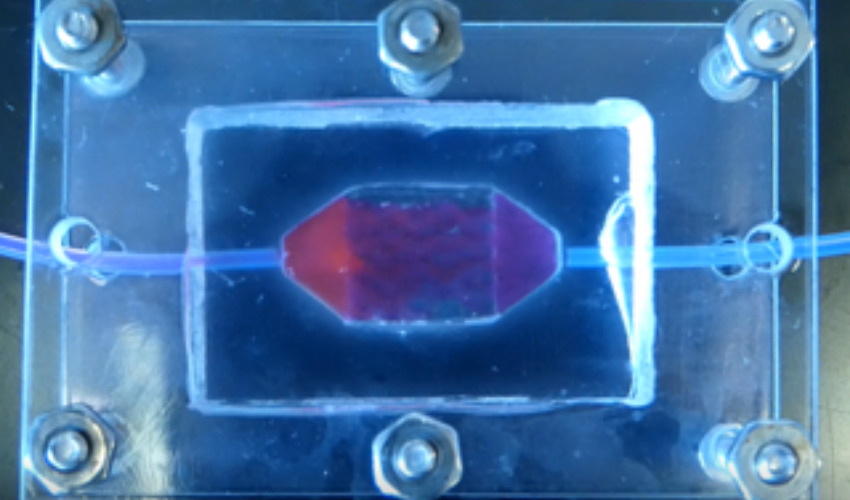 ApplicationsWake Forest Teams Win NASA Challenge with Functional 3D Printed Liver TissuesThe first and second place winners in NASA’s Vascular Tissue Challenge have created 3D printed lab-grown human liver tissues. The two teams of scientists, both from the Wake Forest Institute for Regenerative Medicine (WFIRM) in Winston-Salem, North Carolina were able&hellip