Applications
Openbike: The Open-Source Bike From Architecture Firm Arquimaña
While 3D printing is used widely across various sports, cycling may be becoming the most prevalent. From printing ultra-lightweight bicycle parts to creating high-performance helmets for cyclists, additive manufacturing pushes the boundaries of performance obstacles when it comes
- 3 min read
- Applications
- Six more stories
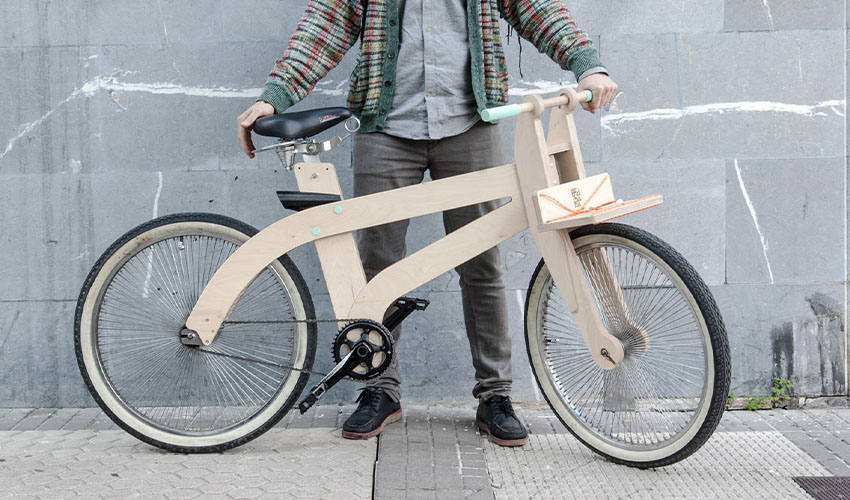
While 3D printing is used widely across various sports, cycling may be becoming the most prevalent. From printing ultra-lightweight bicycle parts to creating high-performance helmets for cyclists, additive manufacturing pushes the boundaries of performance obstacles when it comes to cycling for professionals and enthusiasts alike. Now, we have a new application of 3D printing in the world of cycling. Recently, Basque architecture firm Arquimaña debuted the Openbike project, a 3D model of a bicycle that you can download, print, and assemble yourself.
As outlined on the company’s website, the primary objective of the Openbike project is to preserve the environment: “In increasingly densely populated cities, non-polluting transport is key for good co-existence. That is why we created Openbike, a project that allows you to build your own bike and be part of a community that seeks better cities for all.”

Photo Credit: Openbike
The Design of Openbike
For those who would be seduced by the project and who would like to manufacture the Openbike bicycle, the Basque architecture firm has made available on its site a list of the tools necessary for its realization. First of all, you should know that this project is open-source, as the name of the bike suggests, and that anyone can download the 3D models of the different components. Then to get the body of the bike, you have to use the CNC machining process to create the plywood elements, such as the frame of the bike. Finally, for certain components, such as the saddle, handles, or hub, it is possible to 3D print them or to recover them on a bicycle at the end of its life. Arquimaña specifies that it has used additive manufacturing and PLA to manufacture these elements.
More from the desk
Six other notes from the rest of the bench.
 GuidesMeeting with Sika, specialist in concrete 3D printing3D printing applied to the construction sector offers many advantages, whether in terms of cost, time or durability of materials. The actors who have embarked on concrete additive manufacturing are more and more numerous, convinced of the benefits that 3D…
 PrintersForm 3 and Form 3L, the new SLA 3D printers from FormlabsWith more than 50,000 units sold of its Form 2 3D printer, the American manufacturer Formlabs is the market leader in SLA desktop 3D printing. At the Hannover Messe event, the manufacturer took the opportunity to unveil its latest generation of…
 MaterialsHow do Laboratories and Research Centers Benefit from Ceramic 3D Printing?In 2018, French company Nanoe launched its additive manufacturing material offering. Called Zetamix, it offers ceramic and metal filaments for extrusion processes (FFF). It facilitates the creation of customized ceramic and metal parts for professionals and manufacturers. Today,
 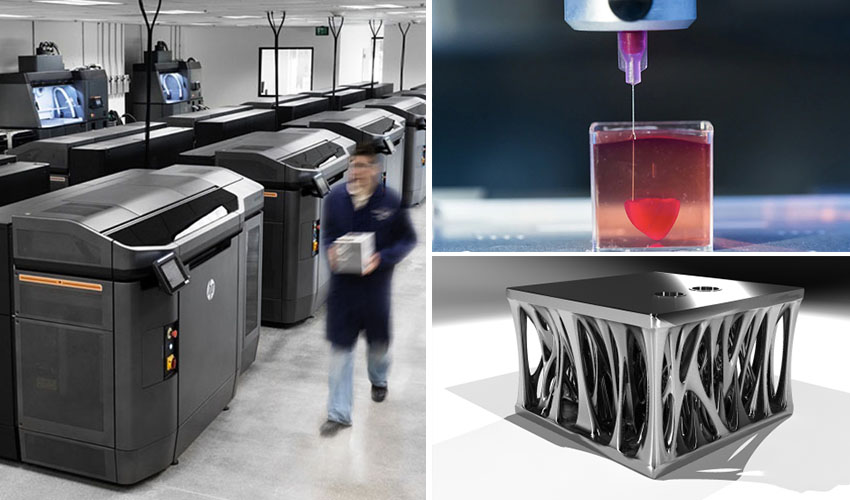 NewsWhat were the 3D printing trends of 2019?Are you wondering about the state of 3D printing in 2019? What to expect for 2020? Today, we look back on the trends that shaped the AM industry in 2019! Underlying all these trends is the fact that additive manufacturing…
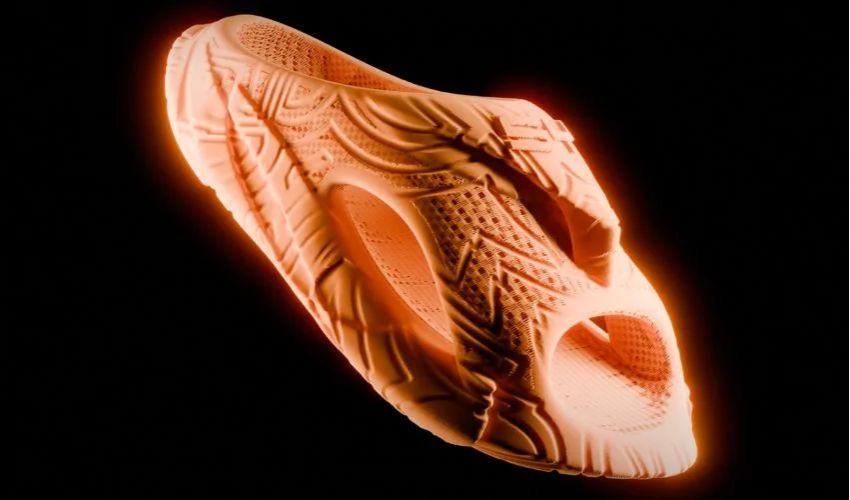 NewsSyntilay Puts 3D Printed, AI-Developed Shoes on the MarketFor several years, we have seen 3D printing for shoe production become a rising trend. Numerous sports shoes now have midsoles made by 3D printers and fashion shoes feature 3D printed elements. Complete footwear from the printer, on the other…
 GuidesThe personalities of additive manufacturing in 20183D printing has grown exponentially in recent years, much of this growth is due to the people who are behind the technological developments and large companies in the industry. Because of this, we have followed the personalities of additive manufacturing that…