Materials
How do Laboratories and Research Centers Benefit from Ceramic 3D Printing?
In 2018, French company Nanoe launched its additive manufacturing material offering. Called Zetamix, it offers ceramic and metal filaments for extrusion processes (FFF). It facilitates the creation of customized ceramic and metal parts for professionals and manufacturers. Today,
- 3 min read
- Materials
- Six more stories
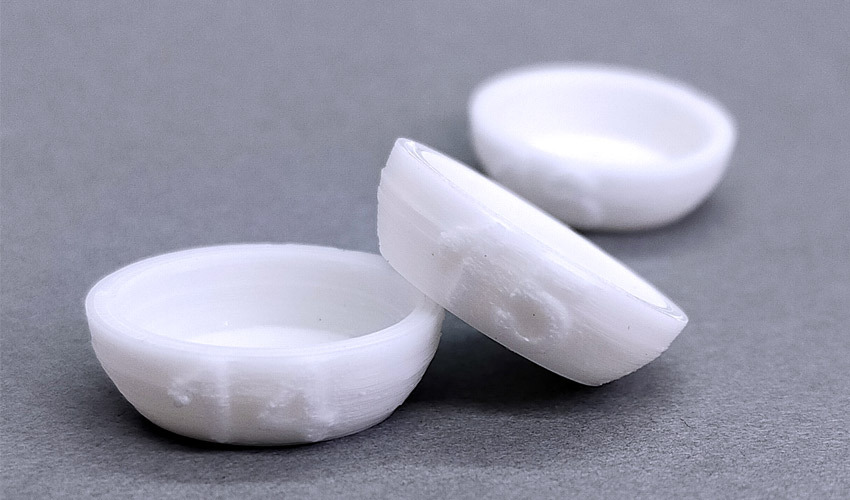
In 2018, French company Nanoe launched its additive manufacturing material offering. Called Zetamix, it offers ceramic and metal filaments for extrusion processes (FFF). It facilitates the creation of customized ceramic and metal parts for professionals and manufacturers. Today, many research laboratories use these ceramic materials for a variety of applications,. For example, to design sample holders, gas blower components or crucibles. Ceramic 3D printing offers them more freedom in terms of design while maintaining the necessary thermal and chemical properties.
We met with three research centers to understand the added value of ceramic additive manufacturing and Zetamix filaments: shorter production times, lower costs, customized design, the benefits are many. The Ceramic Processes and Associated Processes Laboratory (LMPCA) studies technical ceramics for biomedical, electrical and electronic applications, from their development to their characterization. Zetamix materials are part of this study and are also used to manufacture various tools. The second laboratory is the ESFR, an international research center that focuses on the structure of materials with atomic resolution. Finally, the materials center at Mines ParisTech is trying to understand the influence of manufacturing processes on the properties of materials.
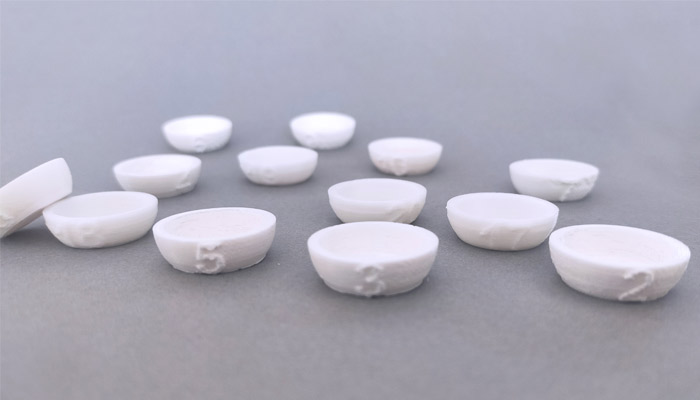
3D printed crucibles made using Zetamix (photo credits: Zetamix)
The creation of custom-made technical ceramic pieces
The experiments carried out in research centers require various equipment and tools that most often meet very specific needs. Custom-made parts must be manufactured to ensure that the experiment runs smoothly. Most of the time, these specialized laboratories need sample holders and other tools that are heat resistant or have very specific chemical properties.
More from the desk
Six other notes from the rest of the bench.
 Applications3D printing system uses hybrid living materials to make biomedical toolsHybrid Living Materials (HLMs) are formed by combining living and non-living components such that the resulting composite takes on the properties of both. At MIT’s Media Lab Mediated Matter group, researchers have been studying how 3D printing technologies can control…
 Printers#3DStartup: Addimetal and Its More Repeatable and Reliable Metal Binder Jetting SolutionThe metal additive manufacturing market has been booming for some years now. A number of processes and materials fall under the umbrella, not the least binder jetting, which is becoming increasingly popular in a wide range of industries. Among the…
 NewsEU Parliament to Consider Right to Repair Through 3D PrintingIn an effort to address the enormous amount of annual waste produced in the European Union in the form of usable consumer goods, the Internal Market and Consumer Committee of the EU Parliament (IMCO) has been campaigning for the right…
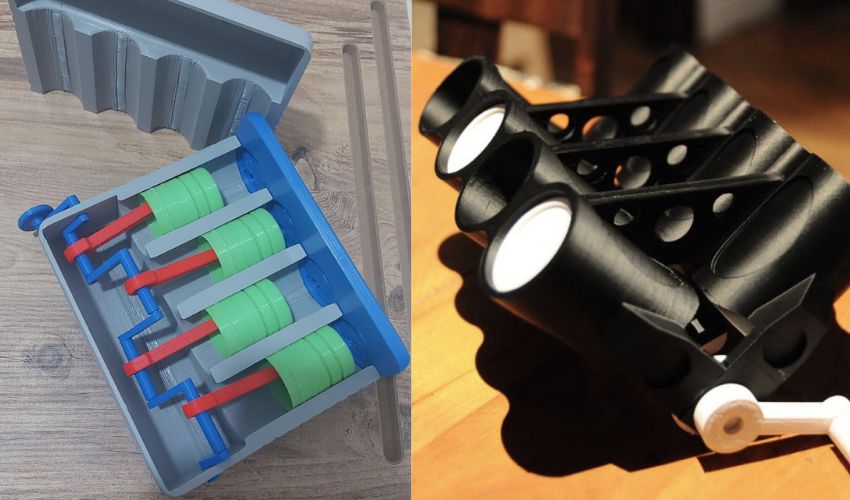 Guides3D Printed Engines: Industry Projects and Miniature ModelsThe term engine, according to the Oxford English Dictionary, simply means ‘a machine with moving parts that converts power into motion’. With such a widely-encompassing definition, this term can be applied to any number of different sectors and applications, and…
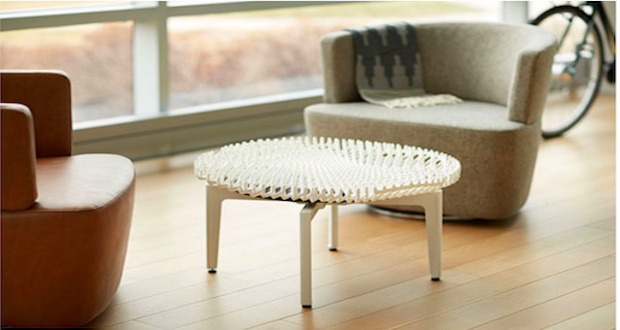 NewsSteelcase & MIT’s Self-Assembly Lab are bringing us the next level of 3D printed furnitureIf you watch our weekly TOP 5 videos each Sunday, then you will already be familiar with Steelcase, the largest office furniture company in the world who has incorporated 3D printing into the heart of their designs; bringing their creations and…
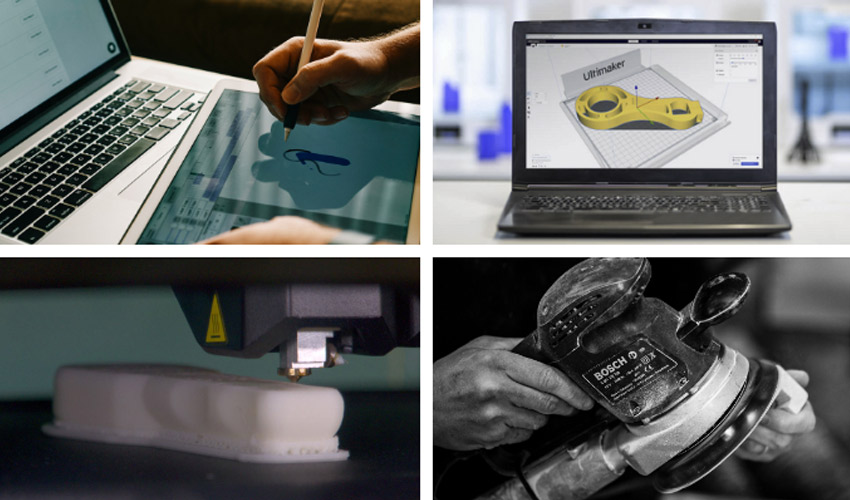 NewsFrom Design to a Finished Part: How Does the 3D Printing Process Work?3D printing, also known as additive manufacturing, is a process in which thin layers of material are deposited one on top of the other to form an object. There are several printing techniques available today, grouped into seven main families…