Applications
New Multi-Material Metal 3D Printing Technique for Lightweight, Durable Automobile Parts
Lightweighting, or the concept that lighter cars can achieve better fuel efficiency, battery range, acceleration, braking and handling, is one of the biggest trends in automobile manufacturing today. But challenges remain, notably when it comes to combining materials to take&hell
- 3 min read
- Applications
- Six more stories
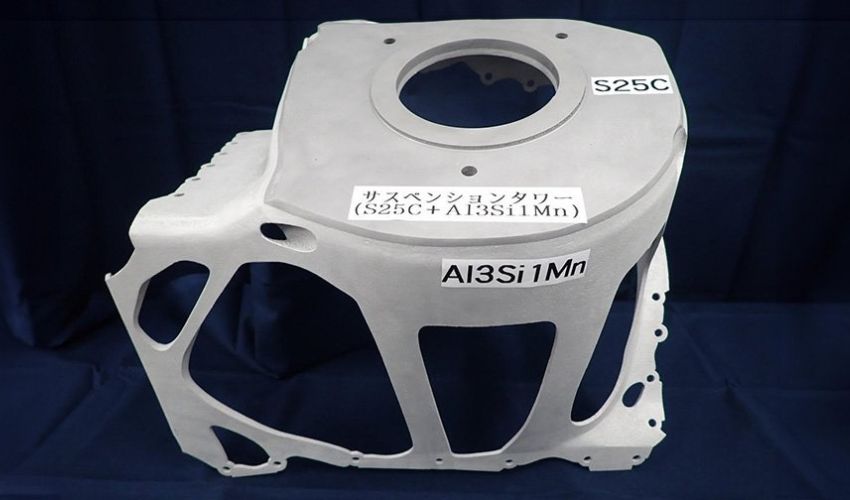
Lightweighting, or the concept that lighter cars can achieve better fuel efficiency, battery range, acceleration, braking and handling, is one of the biggest trends in automobile manufacturing today. But challenges remain, notably when it comes to combining materials to take advantage of different properties, for example the strength of steel and the lightness of aluminum. Now there might be a solution thanks to researchers from Tohoku University’s Institute for Materials Research and New Industry Creation Hatchery Center who have made a breakthrough with a new multi-material metal 3D printing technique that can be used to create lightweight, durable automobile parts.
Additive manufacturing has become immensely popular in the car manufacturing sector. In a press release from Tohoku University, the precision of 3D printing notably highlighted it as a way to produce unique, highly-customizable shapes. However, the materials used often have drawbacks, which is where multi-material 3D printing comes in. Still, that in itself is not infallible.
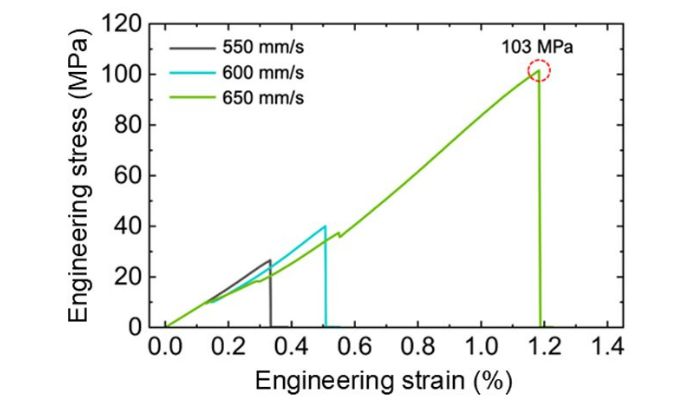
Interfacial strength for steel-aluminum alloy multi-materials melted using LPBF at different scan speeds (photo credits: Kenta Yamanaka et al.)
“Multi-materials are a hot topic in the field of additive manufacturing due to its process flexibility,” explains Associate Professor Kenta Yamanaka, “However, a major challenge in practical implementation is that for certain metal combinations, such as steel and aluminum, brittle intermetallic compounds can be formed at the dissimilar metal interfaces. So, while the material is now lighter, it ends up being more brittle.”
More from the desk
Six other notes from the rest of the bench.
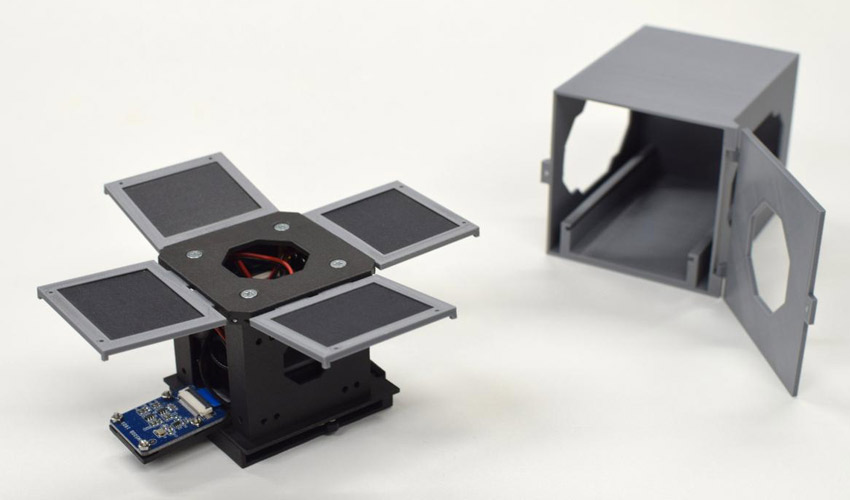 NewsDiscovery, the 3D printed carbon fiber satelliteMini-Cubes is a young American company that designs very small satellites: called PocketQubes, they measure only 5 cm and remain more accessible than traditional satellites. The reason we are telling you about it today is because the company has started…
 ApplicationsCollins Aerospace Opens New Additive Manufacturing CenterAmerican company Collins Aerospace recently announced the opening of its new additive manufacturing center located in Monroe, North Carolina. The company, which is a subsidiary of the multinational Raytheon Technologies Corporation, opened the additional location for the expansio
 NewsUsed cooking oil from McDonald’s is transformed into 3D printing resinAt the University of Toronto, a team of researchers has recovered used cooking oil from a local McDonald’s and turned it into a high-resolution biodegradable 3D printing resin. For one litre of used oil, they obtained 420 mL (14 oz)…
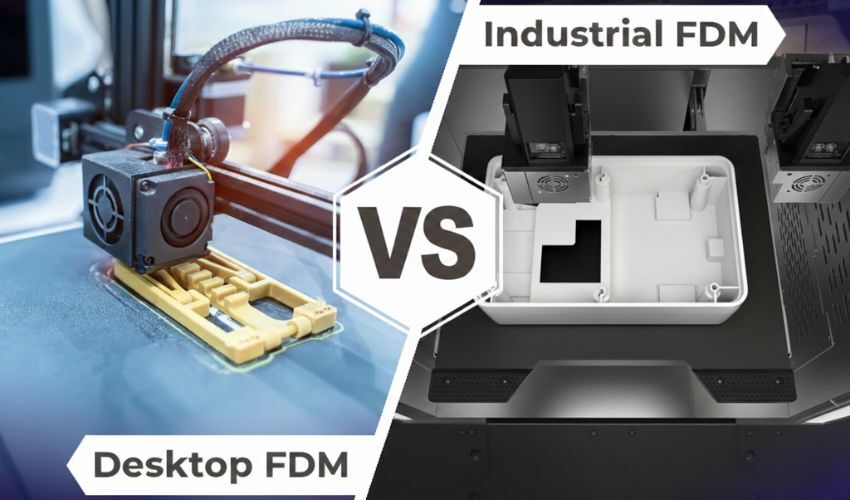 PrintersIndustrial VS Desktop FDM Printers: Is Industrial Worth the Investment?For years, a massive divide separated industrial and desktop FDM printers, defined by differences in accuracy, material compatibility, and cost. Today, desktop manufacturers are aiming to narrow that gap, and a new generation of “prosumer” machines from companies like
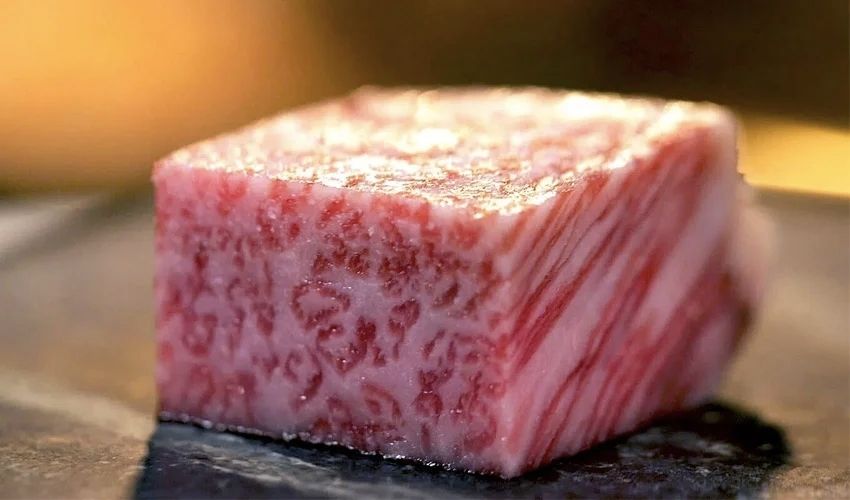 NewsWill 3D Printed Kobe Beef Soon Be on Our Plates?Alt Farm, a young startup based in Hong Kong, has started to produce food from plant proteins, all thanks to 3D printing. In particular, it has developed a special nozzle, which allows to include very specific textures in its products,…
 News#TOP5 videos of the week: HP 3D prints spare parts and more!We found the TOP 5 videos of the week related to 3D printing and collected the additive manufacturing here. Share your videos and comment on the article below or on the 3Dnatives’ Facebook or Twitter account. Hope you’ll enjoy and…