News
MetalFog pre-metallizes your 3D printed parts
Metal additive manufacturing is one of the main trends in 3D printing with strong growth in recent years – the new Wohlers Report 2018 explained that 1,768 metal additive manufacturing solutions were sold in 2017 compared to 983 in 2016,…
- 3 min read
- News
- Six more stories
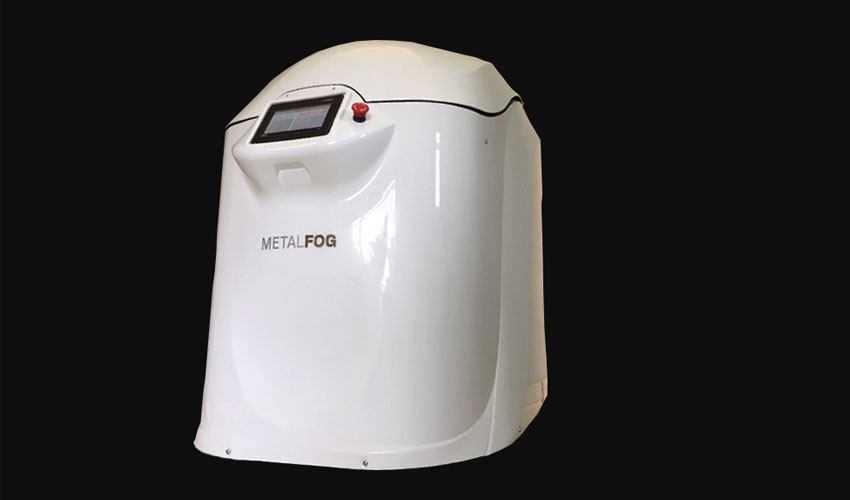
Metal additive manufacturing is one of the main trends in 3D printing with strong growth in recent years – the new Wohlers Report 2018 explained that 1,768 metal additive manufacturing solutions were sold in 2017 compared to 983 in 2016, showing an increase of about 80%. It is a technology that remains expensive and represents a significant investment for many companies. With the expensive price tag that comes with metal 3D printing, French company Metalizz is offering an alternative with their pre-metallization machine called the MétalFOG®. Relatively compact, it provides a chemical pre-metallization of plastic parts and is adaptable to any working environment.
The metallization of plastics has become an increasingly common practice, offering many benefits to users. Giving a metal coating to plastic parts provides an additional protection that not only gives them greater strength but also protects them against heat and corrosion when it subsequently receives an electrolytic deposit. In addition, this metallization can also provide a purely aesthetic purpose combined with organic finishes (colored varnishes) – in sectors such as perfumery, the colored metal finish is an important element. Metalizz, therefore, saw an opportunity and took their chance to launch themselves into this market in February 2017 as a spin-off of the companies Chemconsult and Corima Technologies. Its MetalFOG® solution is an excellent complement to additive manufacturing.

The MetalFog machine is equipped with a touchscreen to facilitate its use
Streamlined metallization of parts
MétalFOG® is a post-processing machine that deposits a thin layer of metal (0.5 to 5μm, depending on the application time) by spraying it onto a plastic part. Ready to use, it is able to process a wide range of polymers such as PEEK, alumide, PE, PVC, PPS, PA, PET and many others. It can process parts contained in a virtual cylinder with a diameter of 200 mm by 300 mm maximum in height. This autonomous post-processing machine also makes electrically conductive parts that are not electromagnetic shielding applications.
More from the desk
Six other notes from the rest of the bench.
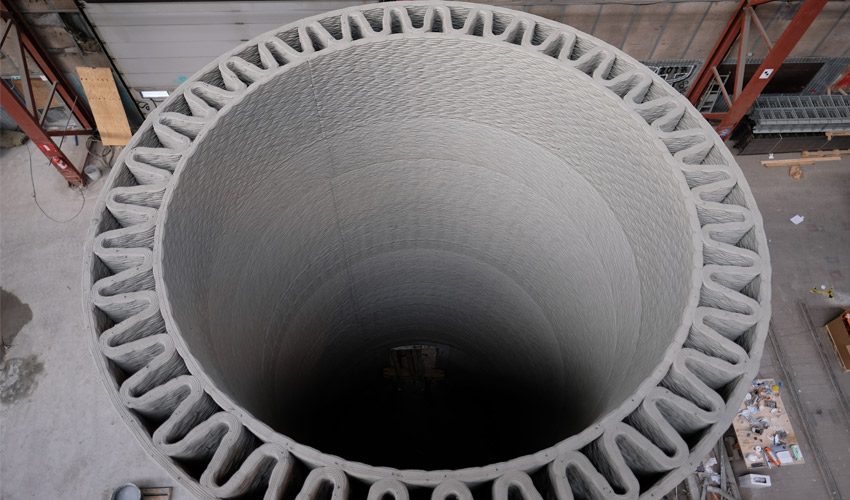 NewsGE, COBOD and LafargeHolcim create taller wind turbines using concrete 3D printingGE, COBOD and LafargeHolcim worked together to develop a 3D printed concrete base to support larger wind turbines, capable of reaching 200 meters in height to capture stronger winds, and therefore offer more efficiency. The goal of the partnership is…
 GuidesOur Guide to Intellectual Property in 3D PrintingIntellectual Property is a controversial and sometimes confusing issue. The moniker covers such a broad spectrum, that it requires years of experience to master. This is bad for designers who want to create 3D-printed models and share them for both…
 NewsASTM International launches personnel certificate program in AMASTM International is an international standards organization that develops and voluntarily publishes consensus technical standards for a wide range of materials, products, systems, and services. The organization’s technical committees have been writing standards related to addit
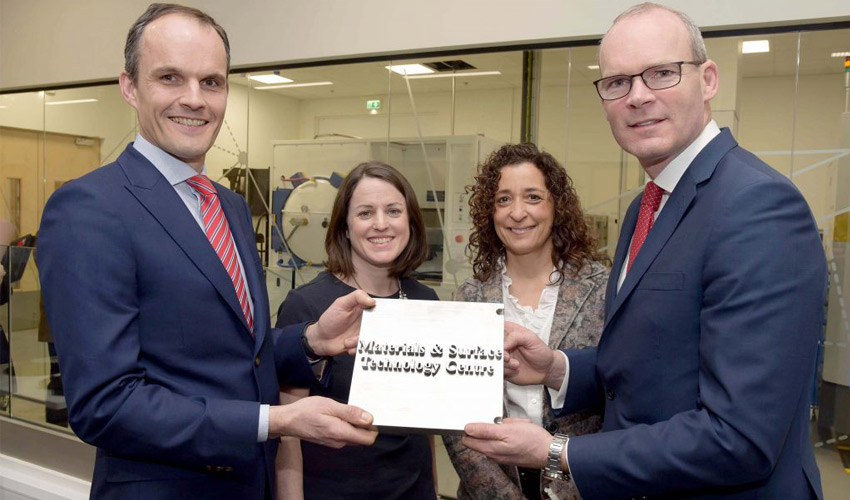 ApplicationsDePuy Synthes invests €36M to develop medical 3D printingJohnson & Johnson-owned franchise, DePuy Synthes Ireland is investing €36 million to establish a 3D Printing Development and Launch Center in order to accelerate its additive manufacturing projects. The company is a global leader in orthopaedic and neurological solutions incl
 News9T Labs raises $4.3 million to advance carbon fiber 3D printingZurich-based startup, 9T Labs has successfully closed a $4.3 million funding round to finish the development of their industrial 3D printing solution. We told you before about the company’s activities in the 3D printing sector and their solution for composite…
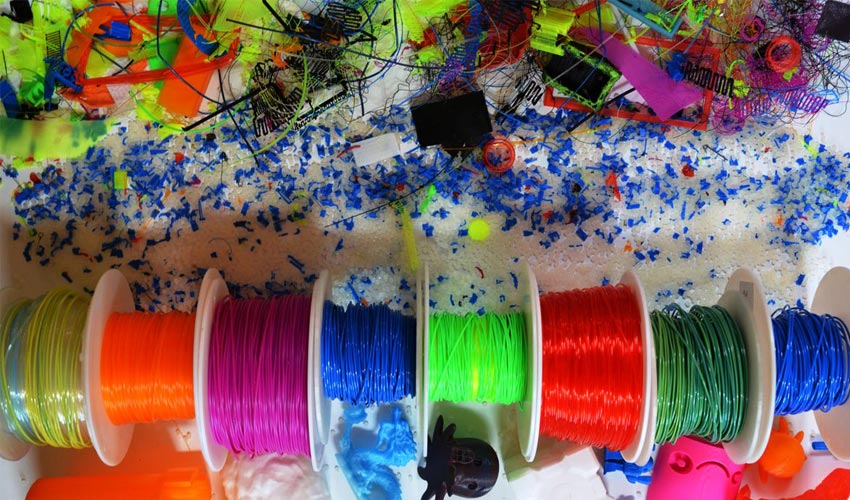 MaterialsProject PLA sets out to recycle your 3D printing plastic wasteProject PLA is an initiative launched by William Sloth, a New York high school student – the aim of this initiative is to recycle all PLA plastic waste generated from 3D printing. The concept is simple, the startup sends boxes…