Guides
Our Guide to Intellectual Property in 3D Printing
Intellectual Property is a controversial and sometimes confusing issue. The moniker covers such a broad spectrum, that it requires years of experience to master. This is bad for designers who want to create 3D-printed models and share them for both…
- 3 min read
- Guides
- Six more stories
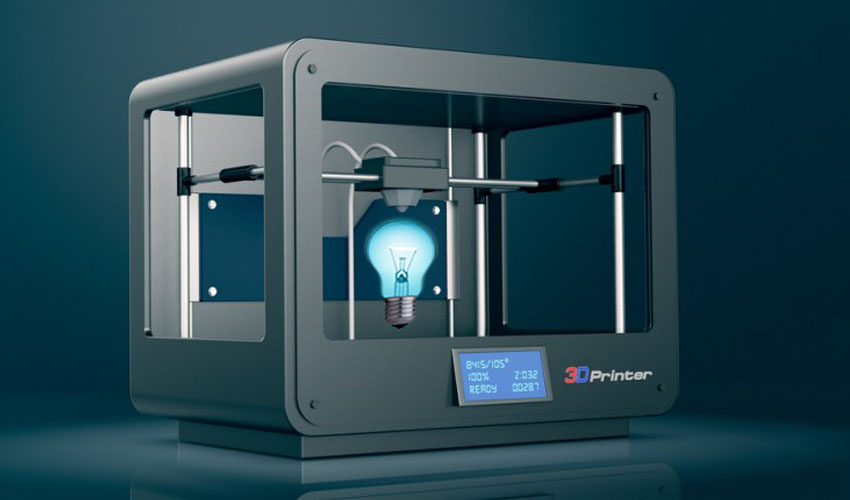
Intellectual Property is a controversial and sometimes confusing issue. The moniker covers such a broad spectrum, that it requires years of experience to master. This is bad for designers who want to create 3D-printed models and share them for both fun and profit. We have therefore researched potential issues for designers, consumers, and professionals to help you better understand your rights. In addition, check out our Top 5 3D printing university degrees.
Intro
There are many platforms dedicated to hosting 3D model files to download and print. These range from free only sites like Thingiverse, to sites that charge for models like Shapeways. There are also sites that print yours or other peoples’ models for you, like 3DHubs and Freelabster. This opens the door to a variety of problems. Firstly, people may take your design and sell it, whilst leaving it completely unchanged. Secondly, people could potentially take your designs, change them very slightly, and then claim them as their own. We examine these problems in more detail.
Firstly, we must explain Creative Commons. Creative Commons are a variety of licenses that protect artists and authors. They tell us what we are allowed to do with the piece of work concerned – in our case a 3D model. There are two main licenses: ones that allow commercial use of the piece or don’t, and licenses that either allow users to modify work or not. There are a total of 6 licenses based on these two categories.
More from the desk
Six other notes from the rest of the bench.
 NewsTOP 5 videos of the week: Dental 3D printer, sustainable building & more!We found the TOP 5 videos of the week related to 3D printing and collected the additive manufacturing here. Share your videos and comment on the article below or on the 3Dnatives’ Facebook or Twitter account. Hope you’ll enjoy and…
 NewsECO3D November: The latest economic news in 3D PrintingThis month’s ECO3D contains a wide variety of business and economic news in the world of 3D printing. This month, many new and established companies secured investments, were purchased by larger companies, or announced big news regarding their future. We’ve…
 ApplicationsLamborghini bets on Carbon 3D printing technologyInitially specialised in the construction of tractors, the Italian company Lamborghini quickly turned to the development of luxury sports cars. Today, the company is showing interest in additive manufacturing. More particularly, in Carbon 3D printing technology to produce some pa
 GuidesRADIAN relies on 3D printing to create personalised jewelryRADIAN is a German jewellery brand that quickly turned to additive manufacturing to design original and personalized rings, bracelets and necklaces. The technology offers more flexibility in its design, prototyping and final production processes, sometimes even allowing to make j
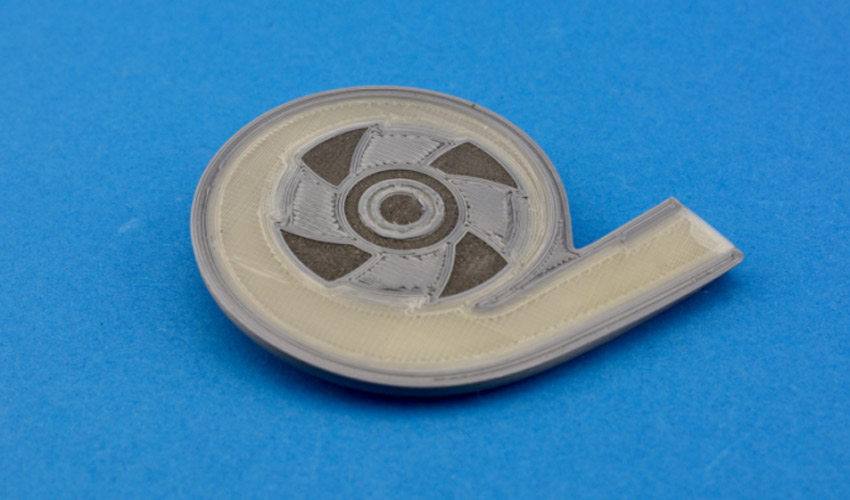 MaterialsA researcher invented a magnetic 3D printing processAt the Zurich University of Applied Sciences (ETH), a doctoral student in the process engineering and mechanics department developed an additive manufacturing technique to create objects containing magnets in one go. Kai von Petersdorff-Campen dubbed his process ” Embedded
  NewsThe global additive manufacturing market accounts for $ 9.3 billion in 2018While the company Materialise gave us some predictions for 2019 trends in additive manufacturing, the US firm SmarTech Publishing brings us the results for the past year. They say the additive manufacturing market generated $ 9.3 billion in 2018, an 18% increase…