Guides
Mecuris creates a digital platform for 3D printing prostheses & orthoses
3D printing is increasingly used in the medical field, whether for research work, to create fabrics using bio-printing technology or to design custom prostheses and orthotics. Some players in the sector are developing innovative solutions using 3D technologies, allowing patients&
- 3 min read
- Guides
- Six more stories
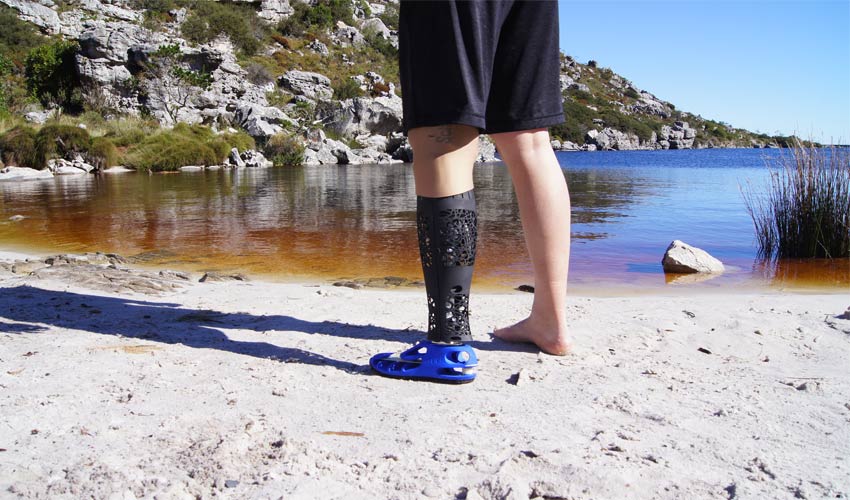
3D printing is increasingly used in the medical field, whether for research work, to create fabrics using bio-printing technology or to design custom prostheses and orthotics. Some players in the sector are developing innovative solutions using 3D technologies, allowing patients to access care adapted to their needs more easily and quickly. That’s exactly what the German company Mecuris is looking for with its digital platform. With the help of 3D printing, it offers its clients orthoses and custom-made prostheses, perfectly adapted to their morphology and that can be manufactured much more quickly. We wanted to know more about the process of creating these medical devices and therefore met the Mecuris team.
3DN: Can you tell us a bit more about Mecuris and its beginnings?
Mecuris was created in 2016. The company that currently has no more than 20 employees is a spin-off from the Ludwig Maximilian University in Munich. The six founders and the rest of the team are interdisciplinary physicists, medical technicians, engineers, production technicians, computer scientists, economists and designers. Together, we are enabling national and international medical equipment companies to enter the digital age. To do this, the team of experts provides orthopaedic mechanics with a digital procurement platform (Mecuris Solution Platform) with 3D products that adapt precisely to customers. All the necessary parts can be directly ordered. About 100 medical supply stores in more than 30 countries on 6 continents are already registered on this digital platform. This one has existed since May only. In Germany, first deliveries have been made since mid-2016.
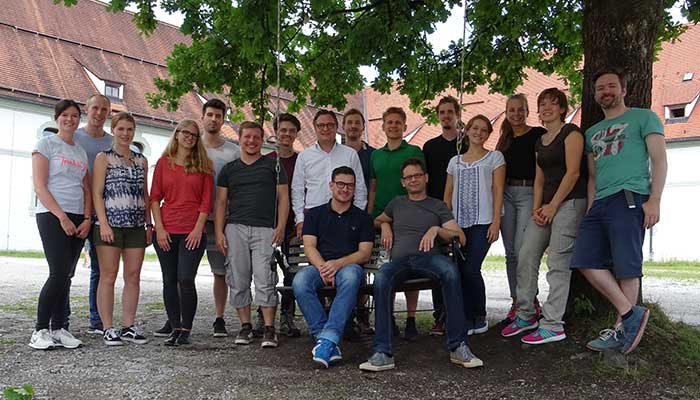
The Mecuris team
3DN: What can be done with additive manufacturing in your sector of activity that could not be achieved with traditional methods?
3D printing has several advantages compared to traditional manufacturing processes. In principle, it can be used more cost-effectively by an orthopaedic technician. Added to this are delivery times: 3D printed parts can be created during the night. In addition, they can be personalised and certified CE, it is one of the biggest assets for the orthopaedic sector. 3D printing is a technology that allows each part of the individual prosthesis to be adapted to the needs of the user. This includes the creation of a custom shape, a specific functionality corresponding to the wearer but also a great freedom in the aesthetic design.
More from the desk
Six other notes from the rest of the bench.
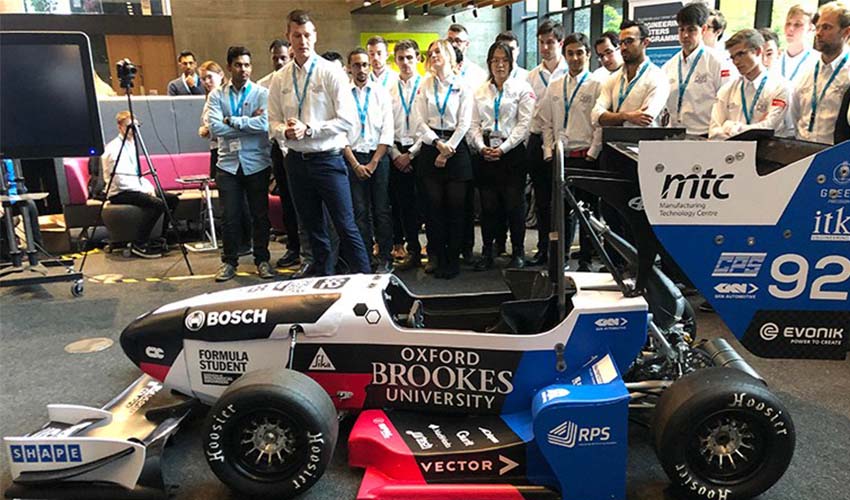 NewsRPS fuels OBR’s Formula Student success thanks to 3D printingOxford Brooks Racing (OBR) is participating in Formula Student, Europe’s most established educational engineering competition. Formula Student celebrated its 20th anniversary last year and is backed by industry and high profile engineers such as Patron and Ross Brawn OBE. This&he
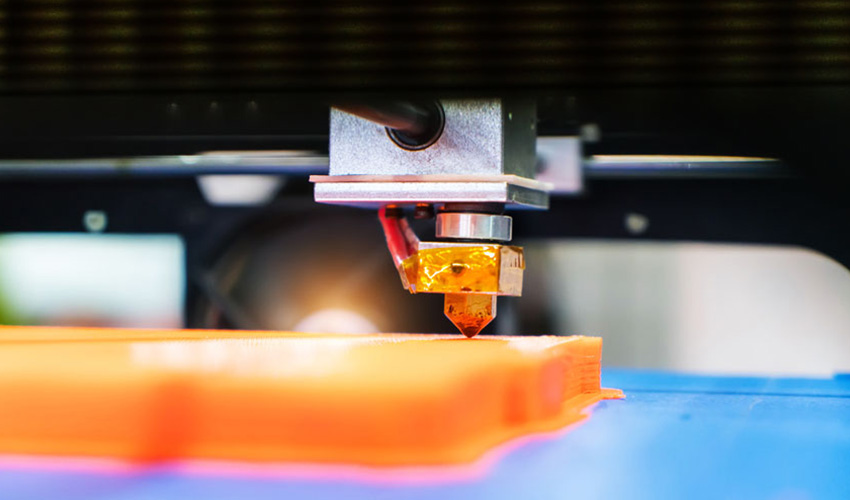 NewsHow to choose your 3D printing technology: Experts give their advice!Whether you are a beginner or an expert in additive manufacturing, it is not easy to choose the right 3D printing technology. From Fused Deposition Modeling (FDM), Stereolithography (SLA), Selective Laser Sintering (SLS) or metal deposition, there is no shortage…
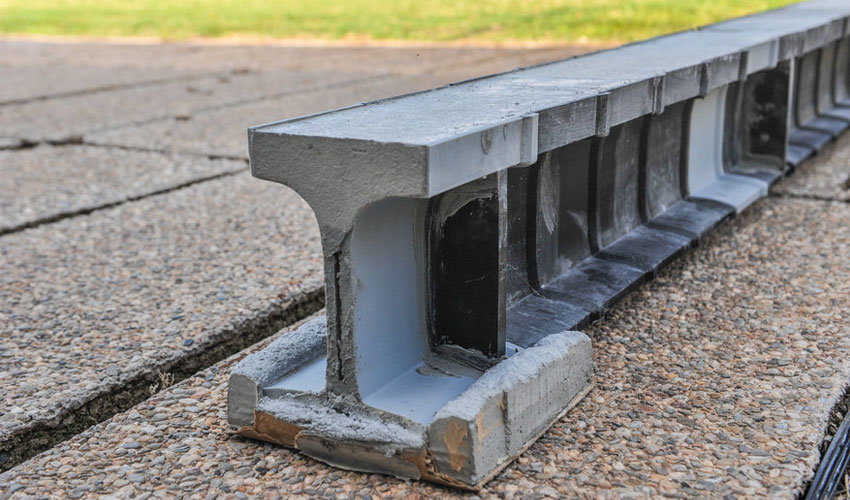 News3D Printed Beams Made From Recycled Plastic Replace Reinforced ConcreteA team from the Polytechnic University of Valencia (UPV) has developed an alternative to the reinforced concrete beams used in the construction sector. By using additive manufacturing, they have designed beams made of recycled plastic. The result is a drastic…
 NewsMaterialise Purchase Option to Buy Link3DThe additive manufacturing industry has seen an unprecedented number of mergers and acquisitions in the fiscal year so far. These have notably included Protolabs’ acquisition of 3D Hubs, Desktop Metal’s acquisition of EnvisionTec and Markforged’s merger with One. Now, Materialise
 NewsIs industrial scale AM production limited by vendor lock-in?At the end of last year, we told you about Essentium’s study on the state of industrial scale 3D printing. According to findings, between 2018 and 2019, the number of manufacturers that were using 3D printing for full-scale production doubled…
 GuidesShould companies just accept their IP rights will be infringed upon?In the first part of our IP article we covered the current IP situation and what it means for consumers, designers, and professionals. During the research process we interviewed several professionals in the sector. These included Christopher J. Higgins, a…