News
How to choose your 3D printing technology: Experts give their advice!
Whether you are a beginner or an expert in additive manufacturing, it is not easy to choose the right 3D printing technology. From Fused Deposition Modeling (FDM), Stereolithography (SLA), Selective Laser Sintering (SLS) or metal deposition, there is no shortage…
- 3 min read
- News
- Six more stories
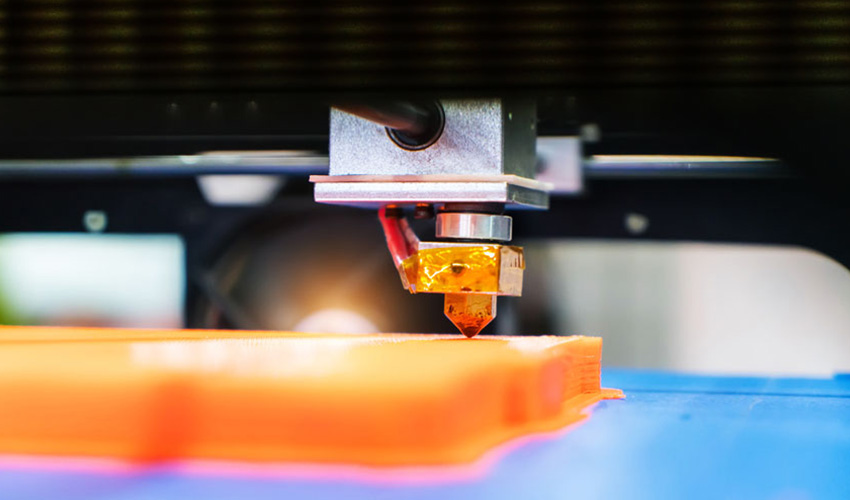
Whether you are a beginner or an expert in additive manufacturing, it is not easy to choose the right 3D printing technology. From Fused Deposition Modeling (FDM), Stereolithography (SLA), Selective Laser Sintering (SLS) or metal deposition, there is no shortage of choice. Each technology works with different materials and consequently will offer different results. So what should you consider when starting out in 3D printing? If you are wondering which 3D technology you should choose, continue reading as we interviewed three experts in additive manufacturing to guide your choice.
A bit more about our experts
We spoke to Artem Arno, the CEO at Treatstock, the e-commerce platform initially created in 2016 that provides 3D printing services for small to medium-sized businesses. Their aim has been to provide these SMBs with new sales leads by reaching out to worldwide markets using their platform. We also spoke to Ken Burns, the Technical Sales Director at Forecast 3D. Forecast 3D is the company that provides custom manufacturing and 3D printing services to a wide variety of industries including healthcare, automotive, aerospace, consumer goods and design. He told us that he partners with customers from all industries to bring their products from 2D to 3D. Last but not least, we spoke to Alec Richter, a Marketing Associate at MatterHackers, one of the largest 3D printing retailer in the US. His day-to-day activities include printing out assets using nearly every 3D printer carried by MatterHackers, troubleshooting the print settings or the printers themselves in order to make those assets, and occasionally answering technical questions about the harder to identify problems that can be experienced when 3D printing.


More from the desk
Six other notes from the rest of the bench.
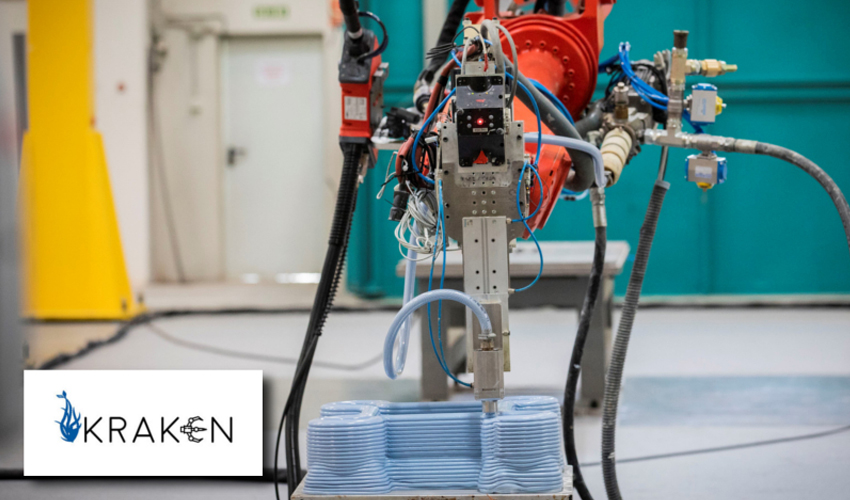 PrintersKRAKEN, an all-in-one manufacturing machine to disrupt productionA few months ago we followed the development of the KRAKEN project, a system that combines both 3D printing technologies, robotics, and subtractive technologies. Thanks to its robotic arm, the system is able to 3D print surfaces of 20 square…
 GuidesSee3D is helping people see thanks to 3D printing3D printing has helped many people in many ways due to the wide-ranging variety of its applications. In order to help people, we can mention applications in the educational system as well as in the medical sector. One organisation that has…
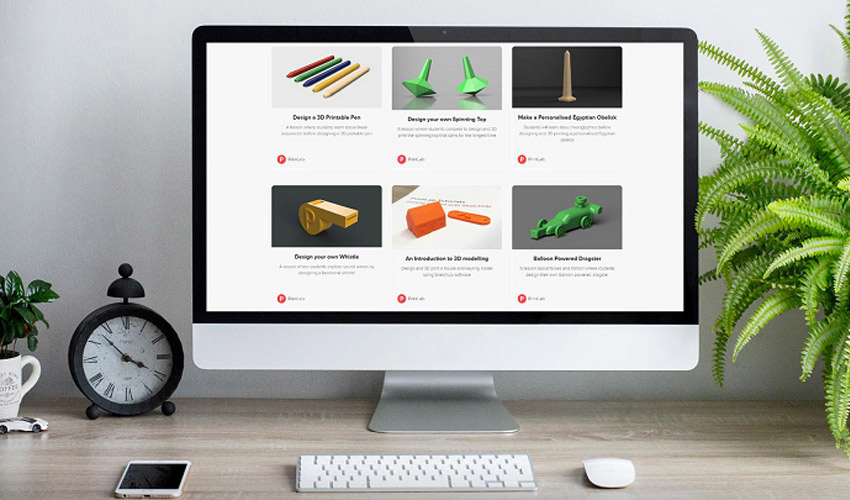 NewsPrintLab, a platform to introduce teachers and students to 3D printingLearning the basics of 3D printing is gradually starting to take place in schools, even more so in universities where students are learning in greater depth how to apply the technology. It must be said that qualified people in additive…
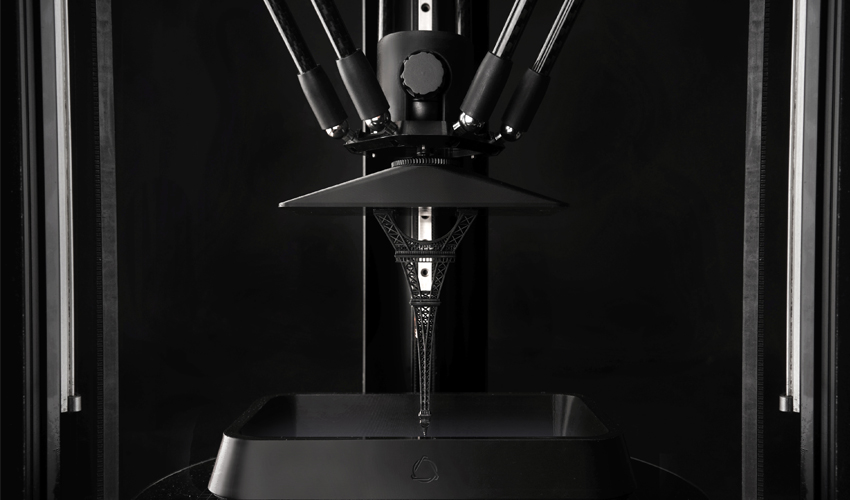 PrintersAtom 3, the first 3D printer that combines FDM and SLA into one3D printer manufacturer Layer One has just revealed its latest machine the Atom 3, which is capable of combining two 3D printing technologies, FDM, and stereolithography. In addition, check out our Top 10 resin 3D printers for some similar printers.…
 GuidesThe top Canadian Maker Faires for DIY fans in 2018We put together a list last week with the biggest Maker Faires in the US. This time we will take a look at what is worth checking out outside the states, crossing over to the top Canadian Maker Faires. First…
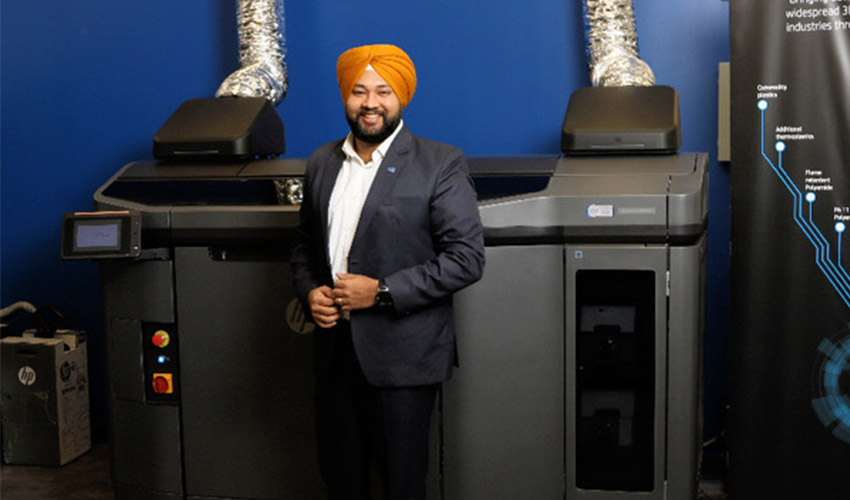 GuidesInterview with Hargurdeep Singh about his role at CAD MicroSolutionsCAD MicroSolutions is dedicated to helping mechanical and electronic customers ensure they are realizing the greatest value from their technology investment. The company offers design automation software, training, and consulting to help clients innovate, disrupt, design, and suc